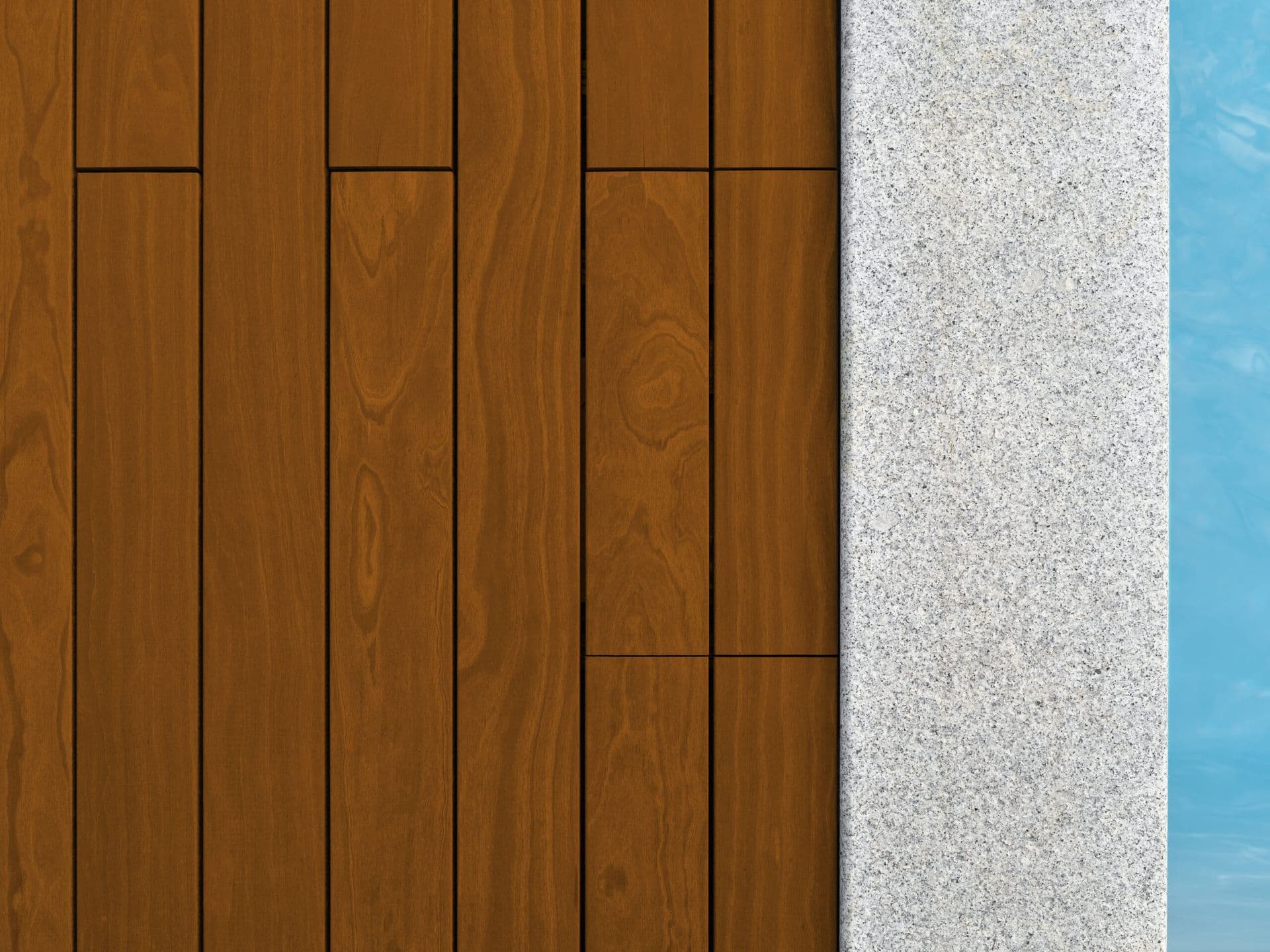
Understanding Maximo Accoya's Suitability for Coastal Environments
Maximo Accoya is a modified wood product designed to resist the warping, twisting, and cupping that can complicate exterior installations. Its modification process aims to enhance dimensional stability, making it a potential choice for areas with fluctuating humidity and temperature, characteristic of coastal regions. This stability is a key advantage, as traditional wood can be prone to movement when exposed to the moisture cycles found near the sea.
While Maximo Accoya is engineered for demanding applications, its performance in a coastal elevation depends on several factors, including the specific exposure level, the chosen profile, and the installation methods. It is a long-term modified-wood option backed according to the selected application and product terms. This means that while the material itself offers inherent advantages, the overall success of a coastal project relies on a comprehensive understanding of these details.
Considering Exposure Levels and Salt Spray
Coastal elevations face direct exposure to salt spray, which can accelerate the weathering process and potentially impact finishes and fasteners. While Maximo Accoya wood itself is modified for durability, the choice of finish and the type of fasteners become critical in these conditions. Unfinished Accoya will weather to a silver-grey patina over time, which may be a desired aesthetic for some coastal designs. However, if a specific color is desired, selecting a finish designed for harsh marine environments is crucial to protect against salt degradation and maintain appearance.
The intensity of salt spray varies with proximity to the water and prevailing wind patterns. A direct oceanfront property will experience far more aggressive conditions than a home a few blocks inland. Understanding your project's specific exposure level will guide decisions on material profiles, fastening systems, and ongoing maintenance expectations.
Choosing Profiles and Installation for Coastal Durability
Maximo Accoya is available in various profiles for siding and cladding. For coastal applications, consider profiles that promote efficient water shedding and minimize areas where salt and moisture can accumulate. Rainscreen assemblies are often recommended for exterior walls in demanding environments, as they create a ventilation gap behind the siding, allowing moisture to escape and reducing the risk of rot and mildew. This is particularly beneficial in humid coastal climates.
The installation method must also account for potential movement and environmental factors. While Maximo Accoya is known for its stability, all wood products will experience some degree of movement. Proper spacing between boards and appropriate fastening techniques are essential to accommodate this. Always refer to manufacturer guidelines for specific installation requirements, especially regarding fastener types and spacing for coastal exposure.

Fasteners and Hardware in a Marine Environment
Standard steel fasteners can corrode rapidly when exposed to salt spray and high humidity, leading to unsightly staining, fastener failure, and potential damage to the wood.
Beyond fasteners, any exposed metal components, such as flashing, vents, or trim, should also be made from corrosion-resistant materials. The interaction between different metals can also lead to galvanic corrosion, so careful material selection and detailing are necessary to avoid these issues. Always confirm the compatibility of all components with a marine environment.
Maintenance Considerations for Coastal Accoya
While Maximo Accoya is designed for low maintenance, coastal environments introduce specific considerations. Regular rinsing with fresh water can help remove salt deposits and extend the life of any applied finishes. Inspecting the siding periodically for any signs of salt buildup, finish degradation, or fastener corrosion is advisable. This proactive approach helps address minor issues before they become significant problems.
If a finish is applied, plan for reapplication schedules based on the product's recommendations and the severity of coastal exposure. The constant UV radiation and salt spray can cause finishes to break down faster than in less demanding environments. For an unfinished, naturally weathered look, less frequent intervention is needed, but periodic cleaning can still be beneficial to maintain appearance.
Worked Example: Siding a Coastal Gable Wall
Consider a hypothetical gable wall on a coastal home, 20 feet wide at the base and 15 feet high to the peak. The homeowner desires a horizontal Maximo Accoya siding profile, specifically the 5.5-inch wide (nominal) Grey finish, installed as part of a rainscreen system. The wall is directly exposed to prevailing winds from the ocean.
First, calculate the approximate wall area: (20 ft * 15 ft) / 2 = 150 square feet. Assuming a standard overlap and waste factor for horizontal siding, and accounting for cuts around windows or doors (if any), a material estimator would typically add 10-15% for waste. For a 5.5-inch face width, roughly 2.2 boards are needed per linear foot of vertical height. Over 15 feet, this means about 33 boards vertically. With a 20-foot width, this translates to 660 linear feet of siding. Adding 15% waste for cuts and adjustments, approximately 760 linear feet of Maximo Accoya Grey siding would be required.
This example highlights the need to consider not just the material quantity, but also the specific installation details and hardware choices that are critical for a successful coastal application. The 'Maximo Accoya Grey' finish is chosen for a contemporary aesthetic, but its long-term performance in intense salt spray would require a robust finish maintenance plan or acceptance of accelerated weathering.
Before you order
- Assess specific coastal exposure: direct oceanfront, sheltered bay, or inland proximity?
- Confirm desired aesthetic: weathered natural look or maintained finish?
- Select Maximo Accoya profile suitable for water shedding and rainscreen integration.
- Plan for a rainscreen assembly to manage moisture and promote ventilation.
- Review manufacturer's installation guidelines for coastal applications.
- Establish a realistic maintenance schedule for cleaning and finish reapplication (if applicable).
- Request current physical samples of Maximo Accoya in desired finishes to confirm appearance.
- Verify local building code requirements for materials in coastal zones.
Confirm installation details, approved uses and warranty terms in the current instructions for the exact product and profile. Your installer should verify the substrate, structure and applicable project requirements.
Questions to help you decide
Can Maximo Accoya be used directly on the beach?
Maximo Accoya is engineered for demanding applications and offers dependable stability. For direct beach exposure, which involves intense salt spray and harsh conditions, careful consideration of the specific finish, fastening system (using marine-grade stainless steel), and maintenance plan is crucial. While the wood itself is highly durable, the long-term appearance and integrity of the entire assembly depend on these supporting elements. A rainscreen system is strongly recommended.
Does Maximo Accoya require a special finish for coastal areas?
Maximo Accoya is available in Maximo Accoya Grey, Ipe Brown, and Natural appearances. If you desire to maintain a specific color or protect against accelerated weathering from salt and UV, selecting a high-performance finish formulated for harsh marine environments is advisable. The original Accoya appearance will naturally weather to a silver-grey patina over time, which may be suitable for some coastal designs. Always confirm the finish’s suitability with the finish manufacturer for coastal exposure.
What kind of fasteners should I use for Maximo Accoya in a coastal project?
For coastal elevations, it is critical to use corrosion-resistant fasteners. Marine-grade stainless steel (such as 316 grade) is generally recommended due to its superior resistance to salt spray and humidity. Standard steel or even lower-grade stainless steel fasteners can corrode, leading to staining on the wood and potential structural issues. Always follow the Maximo Accoya installation guidelines and consult with a hardware specialist for appropriate options.
Ready to Plan Your Coastal Elevation with Maximo Accoya?
Request a material quote today. Provide your project dimensions, desired Maximo Accoya profile, and ZIP code to confirm current availability and service options for your location. You can also explore our range of related products for siding and cladding, thermally modified wood, and other quality building materials.
Request a material quote →