Why Exact Matching Matters for US4 Components
Using the wrong US4 component can lead to several issues, from compromised structural integrity to aesthetic mismatches. For fasteners, an incorrect screw length or diameter might not adequately secure the board, while a different finish could stand out visually. With tools like drill bits or router bits, using an incompatible size can damage the material or the tool itself, leading to inefficient work or a poor finish. US4 components are part of an integrated system, and maintaining that system's integrity is key to its performance.
For example, US4 deck screws are engineered for specific board profiles and materials, including hardwoods, thermally modified wood, composite, and PVC. Their finishes are matched to specific species. Similarly, US4 drill bits are rated for hardwoods, and slotting cutters are designed for clean, accurate grooves. Mismatched components can undermine these design considerations.
Identifying Existing US4 Fasteners
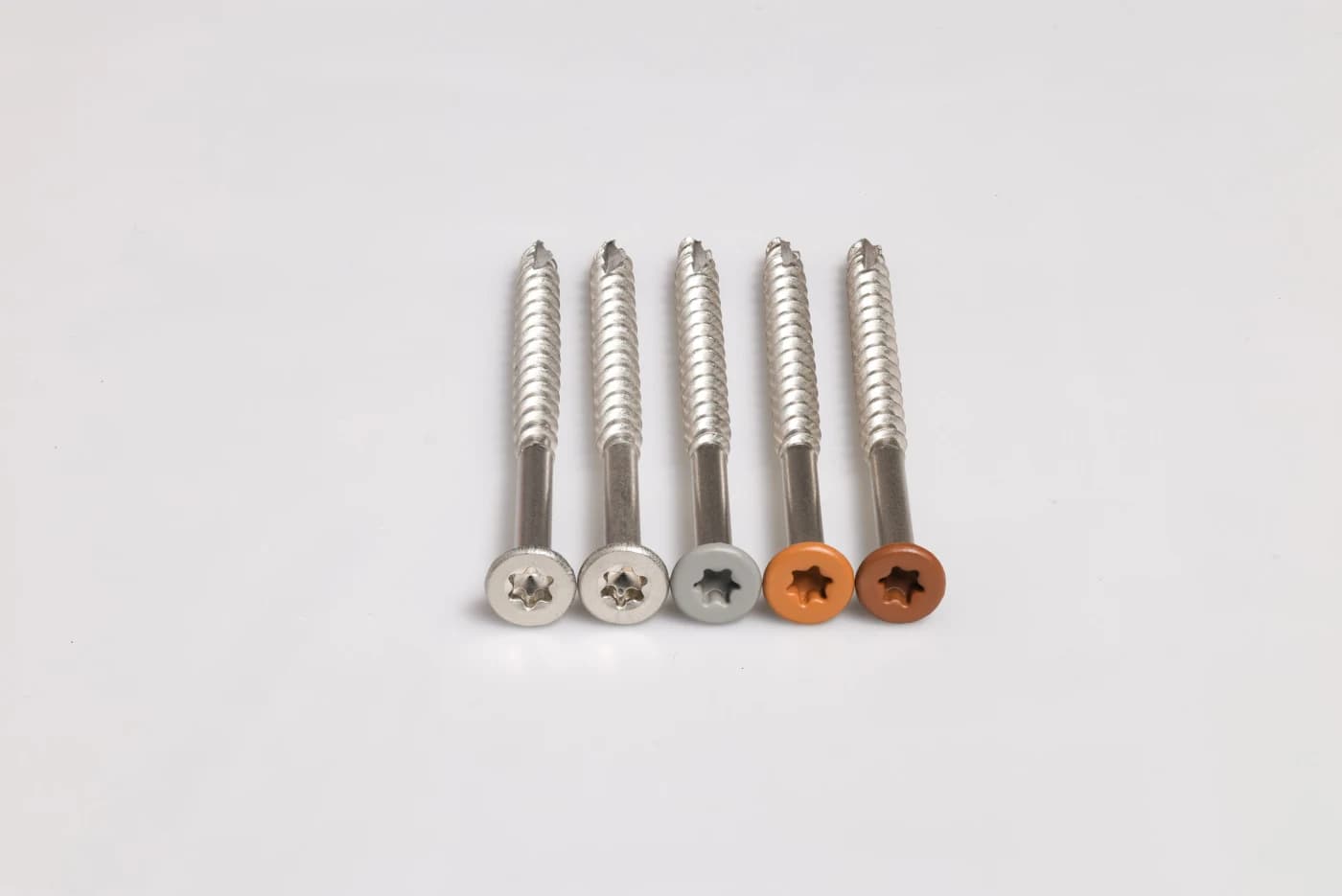
Fasteners are often the most visible and critical components to identify. Begin by examining the head type (e.g., Phillips, Square, Torx) and size. Note the screw's length and diameter if possible, especially if you can remove a sample without damaging the surrounding material. Pay close attention to the finish or coating. US4 deck screws come in five finishes: Clear, Timber Gray, Black, Cedar, and Tropical Timber Brown. Comparing the existing screw's color and texture against known US4 finishes can help narrow down options.
Consider the material the fastener is securing. US4 offers marine-grade options in 316 stainless steel for applications in salt spray environments. If the existing fasteners show signs of corrosion or are in a coastal setting, confirming the presence of stainless steel is important. The type of board—hardwood, composite, or PVC—can also provide clues, as US4 systems are designed to match specific board profiles.
Identifying US4 Drill, Router, and Drive Bits
If you are replacing a drill bit, router bit, or drive bit that was part of the original installation, examine the existing bit for any identifying marks, such as manufacturer logos or part numbers. Even if worn, these can provide valuable information. For drill bits, note the diameter and any special tip designs (e.g., pilot points, countersink features). US4 drill bits are designed for hardwoods and structural applications.
Router bits, particularly US4 slotting cutters, are used to create specific grooves. Accurately measuring the width and depth of the groove in the existing material can help identify the correct slotting cutter. For drive bits, match the head type (e.g., Torx, Square) and size precisely to avoid stripping fastener heads. US4 drive bits are impact-rated, indicating their intended use with power tools.
Identifying US4 Cutting Tools (Saw Blades)
When replacing a saw blade, identifying the original US4 TCT (Tungsten Carbide Tipped) saw blade involves noting its diameter (common sizes include 7-1/4″ to 12″), the number of teeth, and the arbor size. The material being cut (e.g., hardwood, composite) can also guide the selection, as different tooth configurations are optimized for various materials and cut types (ripping, crosscutting, or general purpose).
While US4 saw blades are durable, they are consumables. If the original blade is no longer available, understanding the requirements of the material and the cut will help you select a suitable replacement from the US4 line.
Worked Example: Replacing a Damaged Deck Board
Consider a hypothetical 12-foot by 16-foot hardwood deck built five years ago. One 12-foot board near a planter has warped and needs replacement. The deck uses a face-screw system. To identify the correct US4 fasteners and tools for repair, follow these steps:
Note any visible corrosion or material type (e.g., stainless steel).
2. **Identify the decking material:** Determine the species of hardwood. This information is critical because US4 fasteners are engineered for specific wood densities and finishes are color-matched to species.
3. **Check project records:** If available, consult original purchase orders, invoices, or contractor notes. These documents often list the exact US4 fastener type, finish, and any associated drill or drive bits used.
You'd confirm these against US4 product specifications.
5. **Identify necessary tools:** If the original installation involved pilot drilling or countersinking, you'll need the corresponding US4 drill bits. For a Torx drive, you'll also need the appropriate US4 impact-rated drive bit. If the replacement board needs custom cuts, a US4 TCT saw blade of the correct diameter would be appropriate.
Before you order
- Do you have original project documentation (invoices, spec sheets)?
- Can you safely extract an existing fastener for direct comparison?
- What is the head type and size of the existing fasteners?
- What is the visible finish/color of the existing fasteners?
- What material are the fasteners securing (hardwood, composite, PVC)?
- Are there any signs of corrosion, suggesting a specific material like stainless steel?
- What type of drill bit (diameter, tip) was used for pilot holes or countersinking?
- What type and size of drive bit is needed for the fastener head?
- If replacing a cutting tool, what is its diameter and tooth configuration?
- What are the precise dimensions of any grooves created by router bits?
- Have you consulted the US4 product pages or a Lumber Plus representative with this information?
Confirm installation details, approved uses and warranty terms in the current instructions for the exact product and profile. Your installer should verify the substrate, structure and applicable project requirements.
Questions to help you decide
Can I use a generic screw or tool if it looks similar to US4?
While a generic screw or tool might appear similar, US4 components are engineered for specific performance characteristics, especially for dense materials like hardwoods. Generic alternatives may not offer the same strength, corrosion resistance, or compatibility with the overall US4 system, potentially compromising the integrity and longevity of your project. It is always recommended to use US4 components for repairs or additions to an existing US4 installation to ensure consistent performance and appearance.
What if I don't have original project documentation?
Without original documentation, a careful visual inspection and measurement of existing components are critical. Try to extract a sample fastener if possible, and note all observable characteristics: head type, length, diameter, finish, and material. For tools, measure existing cuts or holes. Then, cross-reference these details with the available US4 product specifications or consult a Lumber Plus representative who can assist with identification based on your observations and the material of your installation.
How do I determine the correct finish for US4 deck screws?
US4 deck screws are available in five specific finishes: Clear, Timber Gray, Black, Cedar, and Tropical Timber Brown. These are designed to match various decking species and board types. Compare the color of your existing fasteners directly with physical samples if possible, or high-quality images of the US4 finishes. Consider the original decking material, as the finish often complements the wood species. When in doubt, consulting a Lumber Plus representative with a photo of your existing deck can help in matching the finish.
Ready to Identify Your US4 Components?
Provide your project dimensions, desired US4 profile, and ZIP code to request a material quote. Confirm current availability and service options for all US4 tools and accessories.
Request a material quote →