Why Pilot Drilling is Essential for Hardwoods
Dense hardwoods, such as Ipe, are known for their exceptional strength and durability. However, this density also means they are less forgiving when fasteners are driven directly into them without preparation. Driving a screw without a pilot hole can cause the wood to split, especially near board ends or edges, compromising the structural integrity and aesthetic of your project.
Pilot drilling creates a clear path for the screw, reducing friction and stress on both the wood and the fastener. This practice helps the screw drive straight, seat properly, and hold securely, which is crucial for the long-term performance of your deck or cladding. It also minimizes wear and tear on your US4 drive bits and fasteners.
For projects using Ipe, pilot drilling is not merely recommended but often a necessity, especially when using stainless steel fasteners. This preparation helps ensure the fastener can penetrate the dense material without damaging the board or the fastener itself.
Selecting the Right US4 Drill Bits
US4 offers a range of drill bits specifically designed for hardwoods and structural applications. When choosing a drill bit for pilot drilling, the key is to match the bit diameter to the screw's shank diameter, not the thread diameter. The pilot hole should be just large enough for the screw shank to pass through freely, allowing the threads to engage fully with the wood.
For countersinking, a separate step or a specialized countersink bit is needed to create a recess for the screw head to sit flush or slightly below the surface of the wood. US4 drill bits are engineered to handle the rigorous demands of dense materials, providing precision and efficiency. Always check the specific fastener manufacturer's recommendations for pilot hole sizes, as these can vary.
It's important to use bits that are sharp and in good condition. Dull bits can generate excessive heat, burn the wood, and lead to inaccurate holes. Regularly inspect your US4 drill bits for wear and replace them as needed to maintain optimal performance.
The Pilot Hole and Countersink Process
The pilot drilling and countersinking process typically involves two steps, which can be done sequentially with separate tools or in a single pass with a specialized pilot-drill/countersink combination bit. For hardwoods, a two-step approach often yields better results.
First, drill the pilot hole to the correct depth, ensuring it penetrates through the board and into the framing material if the fastener is intended to secure both. The depth should match the length of the screw's unthreaded shank plus the penetration into the joist. Second, use a countersink bit to create a clean recess for the screw head. The countersink should be deep enough for the screw head to sit flush with or slightly below the surface, depending on your desired finish. For decking, a flush finish is common, while for other applications, a slightly recessed head might be preferred for plugging.
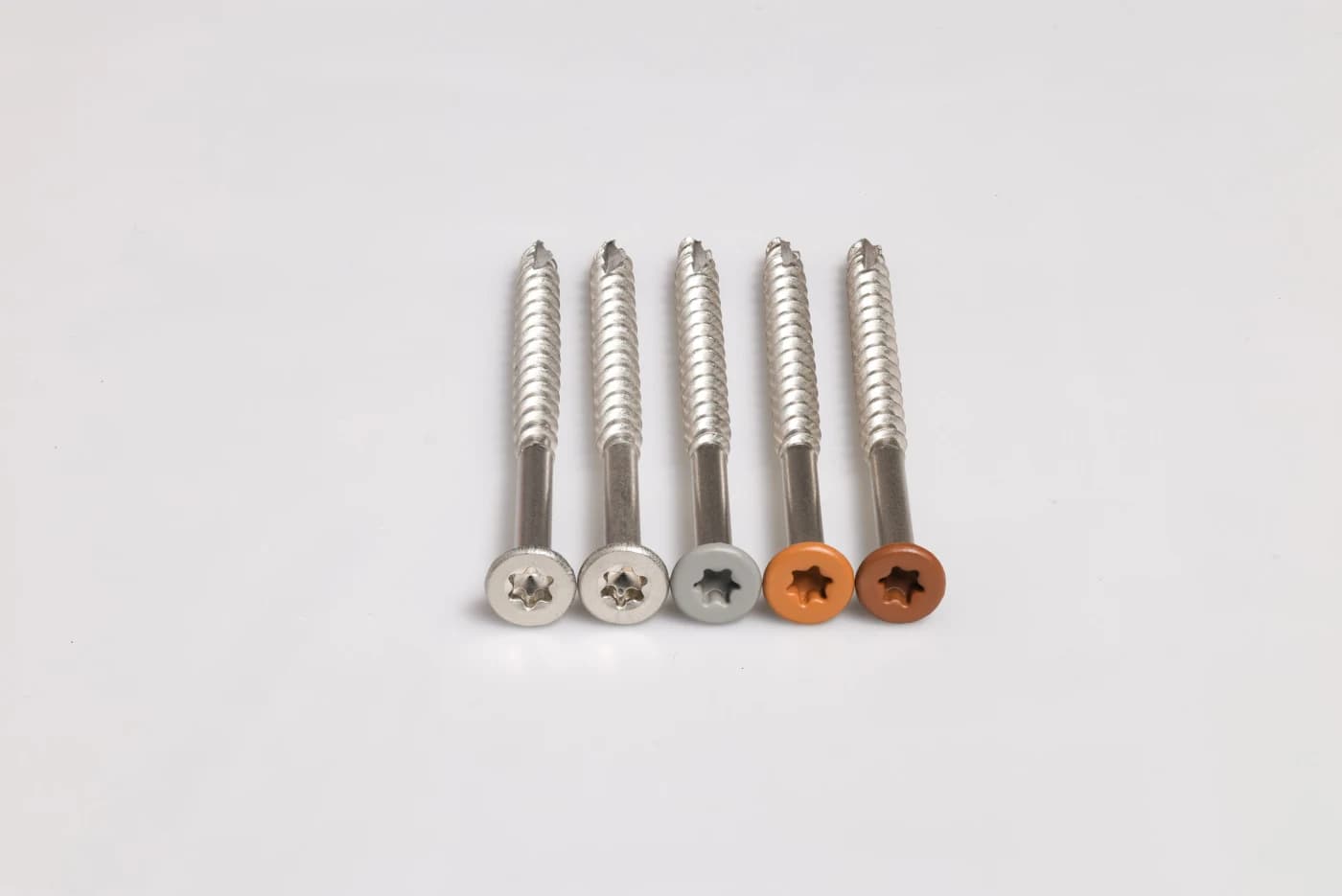
When using US4 deck screws, which come in five finishes matched to various species, a clean countersink ensures the screw head blends seamlessly with the board surface. For marine-grade 316 stainless steel options, precision in pilot drilling is paramount to avoid material stress.
Worked Example: Pilot Drilling for an Ipe Deck Board
This allows the screw threads to bite effectively without undue stress.
The Ipe board is 3/4 inch thick. Adjust this based on the specific joist thickness and desired embedment.
Choose a countersink bit that matches the screw head diameter, allowing it to sit flush.
Then, use a US4 countersink bit to create the recess for the screw head. Finally, drive the US4 deck screw until the head is flush with the board surface.
Limitations and Considerations
While US4 drill bits are rated for hardwoods, even the best tools have limitations. Excessive force, incorrect bit size, or neglecting to clear wood chips can still lead to issues. Always let the drill bit do the work, applying steady, moderate pressure.
Environmental factors can also play a role. Wood expands and contracts with changes in humidity and temperature. Pilot drilling helps accommodate these movements by reducing initial stress, but it does not eliminate them entirely. Consider the specific climate and exposure conditions for your project.
For coastal applications, where salt spray is a concern, US4 offers marine-grade options.
Complementary US4 Products
Beyond drill bits, US4 offers a comprehensive system of tools and accessories designed to work together for optimal results. For driving fasteners, US4 impact-rated drive bits and accessories are built for strength and precision, minimizing cam-out and preserving both the fastener and the bit. You can explore these at our [Hardware and Accessories](/hardware-and-accessories) page.
For cutting deck boards or other materials, US4 TCT saw blades, available in sizes from 7-1/4″ to 12″, deliver maximum cutting power and durability. These blades are designed with tungsten carbide teeth for clean cuts in various wood materials. When planning for a complete project, consider the entire US4 system to ensure compatibility and performance.
If your project involves creating grooves for hidden fastening systems or other joinery, US4 slotting cutters from their router bit line are precision-engineered for clean and accurate results. For more details on these specialized tools, visit the [US4 product page](/brands/us4).
Before you order
- Confirm the wood species and its Janka hardness rating.
- Identify the specific US4 fasteners (screw length, shank diameter, head type) you will be using.
- Determine the recommended pilot hole diameter from the fastener manufacturer or a reliable guide.
- Select a US4 drill bit that matches the determined pilot hole diameter.
- Choose a US4 countersink bit that matches the screw head diameter for a flush finish.
- Verify the required pilot hole depth based on board thickness and joist penetration.
- Consider using a depth stop on your drill bit for consistent pilot hole depth.
- Ensure your US4 drill bits and countersink bits are sharp and in good condition.
- Account for any specific environmental factors (e.g., coastal exposure requiring marine-grade options).
- Plan for a systematic drilling process to maintain consistency across the project.
Confirm installation details, approved uses and warranty terms in the current instructions for the exact product and profile. Your installer should verify the substrate, structure and applicable project requirements.
Questions to help you decide
What happens if I don't pilot drill dense hardwoods?
Without pilot drilling, dense hardwoods are highly susceptible to splitting, especially near the ends or edges of the boards. This can compromise the structural integrity of your installation and lead to premature failure of the fasteners or the boards themselves. It also puts excessive stress on your tools and fasteners, potentially leading to stripped screws or broken bits.
How do I choose the correct pilot hole size for US4 fasteners?
The correct pilot hole size should match the shank diameter of the US4 screw, not the threads. This allows the screw's threads to fully engage with the wood for a secure hold, while the shank passes freely. Always refer to the specific fastener's documentation or manufacturer recommendations for precise pilot hole dimensions, as these can vary based on screw type and wood density.
Can I use a single bit for both pilot drilling and countersinking?
Yes, combination pilot drill and countersink bits are available and can streamline the process. However, for very dense hardwoods or when extreme precision is required, using separate US4 drill bits for the pilot hole and then a dedicated US4 countersink bit can often yield cleaner, more consistent results. This two-step method allows for independent control over the depth and diameter of each operation.
Ready to Plan Your Project?
For a material quote tailored to your project dimensions, including US4 Tools and Accessories and your chosen board profile, please provide your project details and ZIP code. Our team can confirm current availability and service options for your area.
Request a material quote →