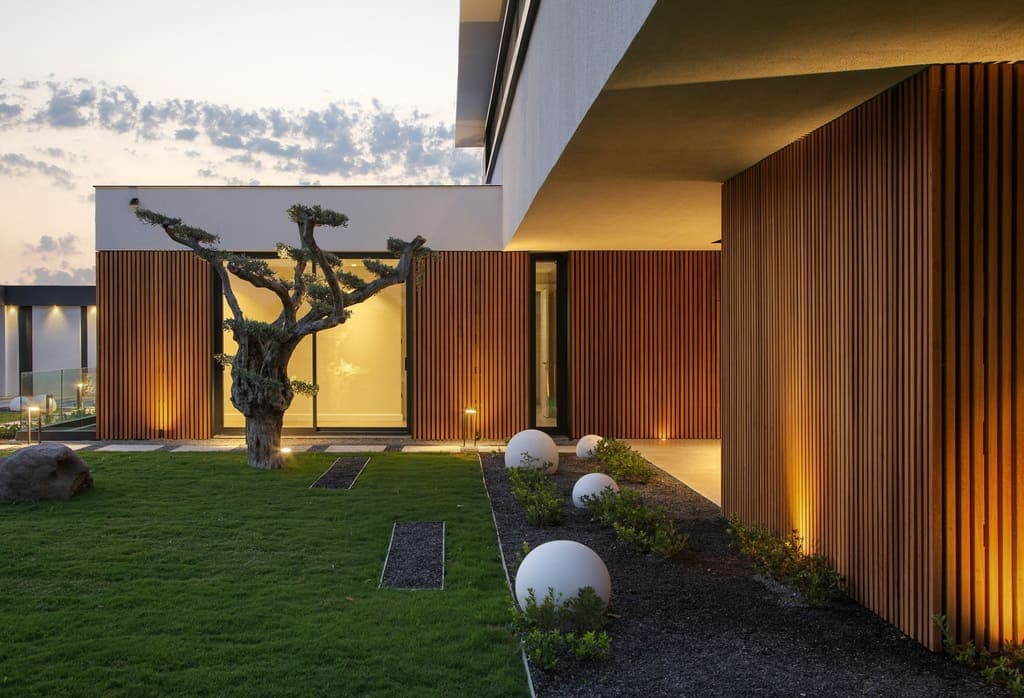
Understanding Thermally Modified Wood for Wall Applications
Thermally modified wood undergoes a high-heat treatment process that alters its cellular structure. This process aims to enhance the wood's stability and resistance to certain environmental factors. For covered patio walls, this means the material may exhibit reduced expansion and contraction compared to untreated wood, which can be beneficial in humid coastal environments like Naples.
The thermal modification process typically darkens the wood, creating a range of rich brown tones. This color can deepen further with an applied finish or weather to a silvery-gray patina if left unfinished and exposed to UV light, even within a covered space where indirect light is present. Understanding this natural aging process is key to planning the long-term aesthetic of your patio walls.
While thermally modified wood is often considered for exterior applications, its use on covered walls provides a balance between exposure and protection, allowing its characteristics to perform well in this specific context.
Selecting the Right Species and Profile
Thermally modified wood is available in various species, with popular choices including thermally modified ash and pine. Each species offers distinct grain patterns and inherent characteristics that are further enhanced by the thermal modification process. For covered patio walls, the choice often comes down to aesthetic preference and desired profile.
Profiles typically include tongue-and-groove (T&G), shiplap, and square-edge boards. Tongue-and-groove and shiplap profiles are often chosen for wall applications as they create a consistent surface with defined shadow lines and can simplify installation. Square-edge boards can be used for a more minimalist look or in specific detailing where precise spacing is desired. Consider how the chosen profile will interact with light and shadows on your covered patio, especially during different times of day.
When selecting, confirm the specific product is approved for vertical wall applications and consider the dimensions that best suit your design. For example, a wider board might create a more expansive feel, while narrower boards can add texture and detail. Visit our product page for more details on available thermally modified wood options: [link to /thermally-modified-wood].
Design Considerations for Naples Covered Patios
In Naples, the design of a covered patio wall should consider both visual appeal and practical performance. The high humidity means that good air circulation behind the cladding is important, even in covered areas. This can be achieved through proper furring strip installation, creating a ventilation gap.
Consider the orientation of the boards. Horizontal installation can make a space feel wider, while vertical boards can make it appear taller. Diagonal patterns offer a unique visual interest but may require more complex cuts and waste. The overall design should complement the existing architecture of your home and the desired ambiance of your outdoor living area.
Integrating other materials, such as stucco, stone, or metal accents, can create a dynamic and personalized look. For example, a thermally modified wood accent wall can be paired with painted stucco on other sections of the patio to provide contrast and texture. Explore other complementary materials for your project: [link to /siding-and-cladding].
Finishing and Maintenance for Lasting Beauty
While thermally modified wood is more stable than untreated wood, applying a finish can help protect its appearance and enhance its longevity, especially in the Naples climate. Clear or tinted oils can deepen the wood's color and provide UV protection, slowing down the natural graying process. If you prefer the silvery-gray patina, you may choose to leave the wood unfinished, but understand that this will occur over time.
Even in a covered patio, some maintenance will be beneficial. Regularly cleaning the walls to remove dust, pollen, and any mildew that might form due to humidity can help preserve the wood's appearance. Follow the manufacturer's recommendations for specific cleaning products and schedules.
For areas near the coast, salt spray can be a factor. While less direct on covered walls, airborne salt can still accumulate. Regular rinsing with fresh water can help mitigate any potential corrosive effects or salt buildup on the surface.
Installation Best Practices for Covered Walls
Proper installation is critical for the long-term performance and appearance of your thermally modified wood patio walls. Always refer to the manufacturer's specific installation guidelines for the product you select. Generally, this includes using appropriate fasteners and ensuring adequate spacing for ventilation.
This gap allows for air circulation, which is important for moisture management in humid environments. The thermally modified wood boards are then fastened to these furring strips.
Use corrosion-resistant fasteners, such as stainless steel screws, to prevent staining and ensure a secure attachment. Pre-drilling pilot holes can help prevent splitting, especially with denser wood species or when fastening near board ends. Pay attention to detailing around any openings, corners, and where the wall meets the floor or ceiling to ensure a clean, professional finish.
Before you order
- Verify specific thermally modified wood product is approved for vertical wall applications.
- Consider the desired aesthetic: natural graying vs. maintained color with finish.
- Select appropriate profile (T&G, shiplap, square-edge) for visual effect and installation.
- Plan for ventilation behind cladding using furring strips.
- Choose corrosion-resistant fasteners suitable for the Naples climate.
- Determine finishing requirements: oil, sealant, or unfinished.
- Plan for regular cleaning and maintenance based on chosen finish and exposure.
- Measure project dimensions accurately, accounting for waste and specific board lengths.
- Confirm local building practices or recommendations if applicable.
Confirm installation details, approved uses and warranty terms in the current instructions for the exact product and profile. Your installer should verify the substrate, structure and applicable project requirements.
This is a planning guide for projects in Naples, FL. Ask our team to confirm availability, delivery to your ZIP code and which branch can support your order.
Questions to help you decide
Can thermally modified wood be left unfinished on a covered patio in Naples?
Yes, thermally modified wood can be left unfinished. It will gradually weather to a silvery-gray patina over time, even in a covered area, due to indirect UV exposure and environmental factors. Applying a finish can help maintain its initial color and provide additional protection, if desired.
What kind of fasteners should I use for thermally modified wood walls in Naples?
For covered patio walls, it is generally recommended to use corrosion-resistant fasteners, such as stainless steel screws. This helps prevent staining of the wood and ensures long-term structural integrity, particularly in humid, potentially salt-air environments like Naples.
How do I clean thermally modified wood walls on a covered patio?
Regular cleaning with mild soap and water is typically sufficient to remove dust, pollen, and any surface grime. For any signs of mildew, a diluted solution of oxygen bleach can be used, following product instructions. Always rinse thoroughly with fresh water and allow the wood to dry naturally. Avoid high-pressure washing, which can damage the wood fibers.
Ready to Transform Your Naples Covered Patio?
Request a material quote with your project dimensions, desired profile, and ZIP code to confirm current availability and service options for thermally modified wood. We're here to help you plan your project.
Request a material quote →