Defining Your Courtyard Outdoor Room
A courtyard outdoor room is more than just a patio; it's a defined space, often enclosed by walls or landscaping, designed for specific activities like dining, lounging, or entertaining. The decking material plays a central role in establishing the room's character and functionality. Consider the primary use of your courtyard: will it be a quiet retreat, a vibrant gathering spot, or a transition zone between indoor and outdoor spaces? These uses will influence your decking layout and the surrounding elements like shading, seating, and planters.
The unique microclimate within a courtyard, which may include areas of intense sun, deep shade, or limited airflow, should also be factored into your material choice. Ipe's natural resilience to varying weather conditions can be an advantage in these environments.
Why Ipe Decking for Naples Courtyards?
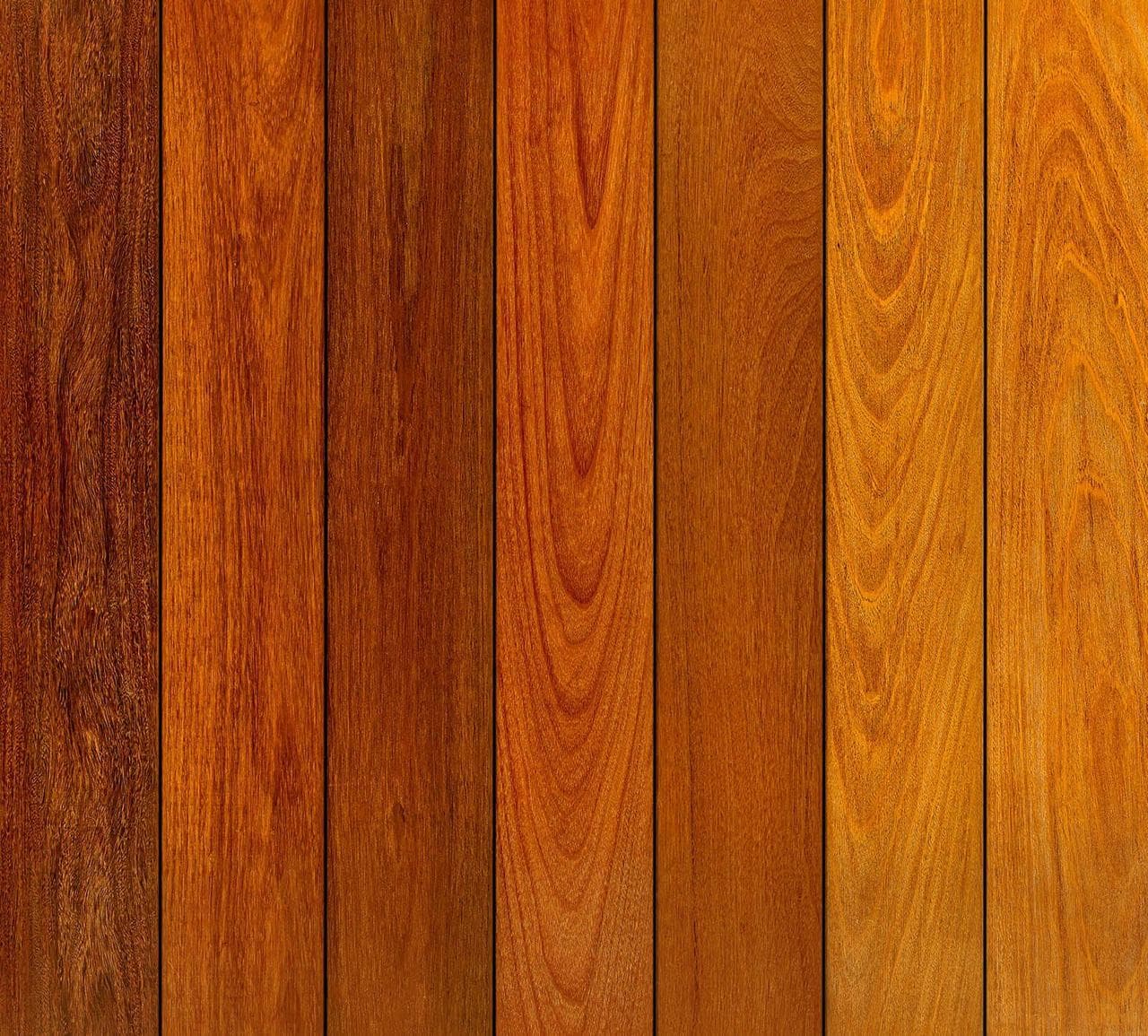
Ipe wood is a dense, durable hardwood native to South America, known for its longevity and resilience. Its natural reddish-brown to olive-brown color can add a rich, luxurious aesthetic to your outdoor room. For a Naples courtyard, Ipe's inherent properties offer several benefits.
Ipe is naturally resistant to rot, insects, and mold, which is particularly relevant in the humid Florida climate. This natural resistance means it requires minimal chemical treatment for protection. Additionally, Ipe resists warping after moisture exposure, and its natural oils help protect it from cracking or warping, contributing to its long-term performance in outdoor settings. With proper care, Ipe decking can last for decades, making it a long-term investment for your outdoor space.
If left untreated, Ipe will weather to a silvery-gray patina, a look some homeowners prefer. For those who wish to maintain its original rich color, a UV-blocking sealer can be applied periodically.
Selecting Ipe Decking Profiles and Dimensions
Ipe lumber is available in a variety of profiles and sizes, allowing flexibility in design. Common dimensions range from 1x2 inches up to 6x6 inches, with lengths available from 3 to 24 feet. For decking, common board widths include 1x4, 1x6, 5/4x4, and 5/4x6. The choice of profile can influence the visual scale of your courtyard and the overall installation method.
Square-edge boards are typically face-fastened, while grooved boards are designed for hidden fastening systems, which can provide a cleaner, uninterrupted surface. The specific profile you choose should align with your aesthetic preferences and the desired fastening method. Consider how board width and length will impact the visual flow of your courtyard, especially if you plan for diagonal layouts or intricate picture-frame borders.
Project Example: A 12x15-foot Courtyard Dining Area
Consider a hypothetical 12-foot by 15-foot courtyard space in Naples, FL, intended as an outdoor dining area. The design calls for a main decking area of 10 feet by 13 feet, with a 1-foot border on two sides (the long and short sides) to accommodate integrated planters and seating. We will use 5/4 x 6 Ipe decking boards, which are approximately 1 inch thick and 5.5 inches wide, for the main area and 1x4 Ipe boards (approximately 0.75 inches thick and 3.5 inches wide) for the border.
For the main 10x13-foot area, running the 5/4x6 boards along the 13-foot length: Each board is 5.5 inches wide. To cover 10 feet (120 inches), you would need 120 / 5.5 = 21.8 boards. Rounding up, you would need 22 boards. Since boards are available in lengths up to 24 feet, 14-foot or 16-foot lengths could be used to minimize seams. If using 14-foot lengths, you'd have approximately 1 foot of offcut per board, which might be reusable for smaller sections or blocking. This calculation assumes a straight lay with minimal waste. Actual quantity will depend on board availability and a detailed cut plan.
For the 1-foot wide border on two sides: On the 13-foot side, a 1x4 board (3.5 inches wide) would run the length. You'd need approximately 4 boards to cover the 13-foot length (13 feet / (3.5 inches / 12 inches/foot) = 44.5 boards, or 45 boards if they are cut to 1-foot sections and laid side-by-side. This is only an area estimate. For a 1-foot border, you would typically use boards running parallel to the edge. For a 13-foot run, you would need one 14-foot board of 1x4. For the 10-foot run, you would need one 10-foot board of 1x4. This illustrates how different profiles can be combined for specific design elements, and how careful measurement is needed for accurate ordering.
Always account for cutting waste and order approximately 10-15% extra material. Consult with your installer for precise quantity takeoffs based on their preferred layout and cutting practices. This example is simplified and does not account for specific joist spacing or fastening methods.
Maintenance Considerations for Ipe in Naples
Ipe wood is considered low maintenance, but some care is beneficial to preserve its appearance and extend its life. In Naples, the combination of high humidity and strong sun exposure can influence how Ipe weathers. If you prefer the natural silvery-gray patina, minimal maintenance is required beyond routine cleaning to remove dirt, debris, and any mildew that may form in shaded or damp areas.
If you desire to maintain the original rich reddish-brown to olive-brown color, a UV-blocking sealer or oil should be applied. The frequency of application will depend on the product used, sun exposure, and personal preference, but typically ranges from annually to every few years. Regular cleaning with a mild, pH-neutral cleaner and a soft brush can help prevent buildup and maintain the deck's appearance. Always follow the specific instructions of any cleaning or sealing products to ensure compatibility with Ipe wood.
Logistics and Installation in Naples
Planning the logistics for Ipe decking in Naples involves considering material delivery, on-site storage, and professional installation. Due to its density, Ipe is heavy and requires careful handling during delivery and installation. Ensure you have a clear, level area for storing the material, protected from direct sun and moisture, to allow for proper acclimation before installation.
Ipe installation typically requires specialized tools and techniques due to its hardness. Pre-drilling is often necessary for fasteners, even when using self-tapping screws. Professional installers experienced with hardwood decking can ensure a proper and durable installation, which is critical for the long-term performance of your deck. Verify that your chosen contractor is familiar with Ipe and its specific installation requirements. Discuss details like board spacing, ventilation, and fastening methods during the planning phase.
Before you order
- Define the primary function of your courtyard outdoor room (dining, lounging, entertaining).
- Assess the specific microclimate of your courtyard (sun exposure, shade, airflow).
- Choose between maintaining Ipe's original color or allowing it to weather to a silvery-gray.
- Select the appropriate Ipe decking profiles (e.g., 5/4x6, 1x4) and fastening method (face-fastened or hidden).
- Calculate the square footage and linear footage needed for your deck, including any borders or special features.
- Factor in approximately 10-15% extra material for cuts and waste.
- Plan for professional installation due to Ipe's density and specific requirements.
- Confirm delivery and on-site storage plans to protect the material before installation.
- Research and select suitable UV-blocking sealers or cleaning products if maintaining the original color.
Confirm installation details, approved uses and warranty terms in the current instructions for the exact product and profile. Your installer should verify the substrate, structure and applicable project requirements.
This is a planning guide for projects in Naples, FL. Ask our team to confirm availability, delivery to your ZIP code and which branch can support your order.
Questions to help you decide
How long does Ipe wood last in the Naples climate?
With proper care and maintenance, Ipe decking can last for decades, potentially up to 75 years. Its natural resistance to rot, insects, and weather changes makes it well-suited for the humid and sunny conditions in Naples, FL.
Does Ipe wood require specific maintenance in a coastal environment like Naples?
While Ipe is low maintenance, in a coastal environment, occasional cleaning to remove salt spray and debris is beneficial. If you want to retain its original color, regular application of a UV-blocking sealer is recommended to counteract the strong sun. If left untreated, it will weather to a silvery-gray patina.
Can I install Ipe decking myself, or should I hire a professional in Naples?
While it is possible to install Ipe yourself, professional installation is highly recommended. Ipe's extreme density requires specialized tools and techniques, such as pre-drilling for fasteners, to ensure a correct and durable installation. Experienced professionals can navigate these requirements effectively.
Ready to Transform Your Naples Courtyard with Ipe Decking?
Request a material quote today. Provide your project dimensions, desired Ipe profile, and ZIP code to confirm current availability and service options. Explore our full range of Ipe decking options at [product page link: /decking/hardwood/ipe] and complementary materials like [related product: /decking] or [related product: /decking/hardwood].
Request a material quote →