Understanding Ipe Decking for Courtyard Applications
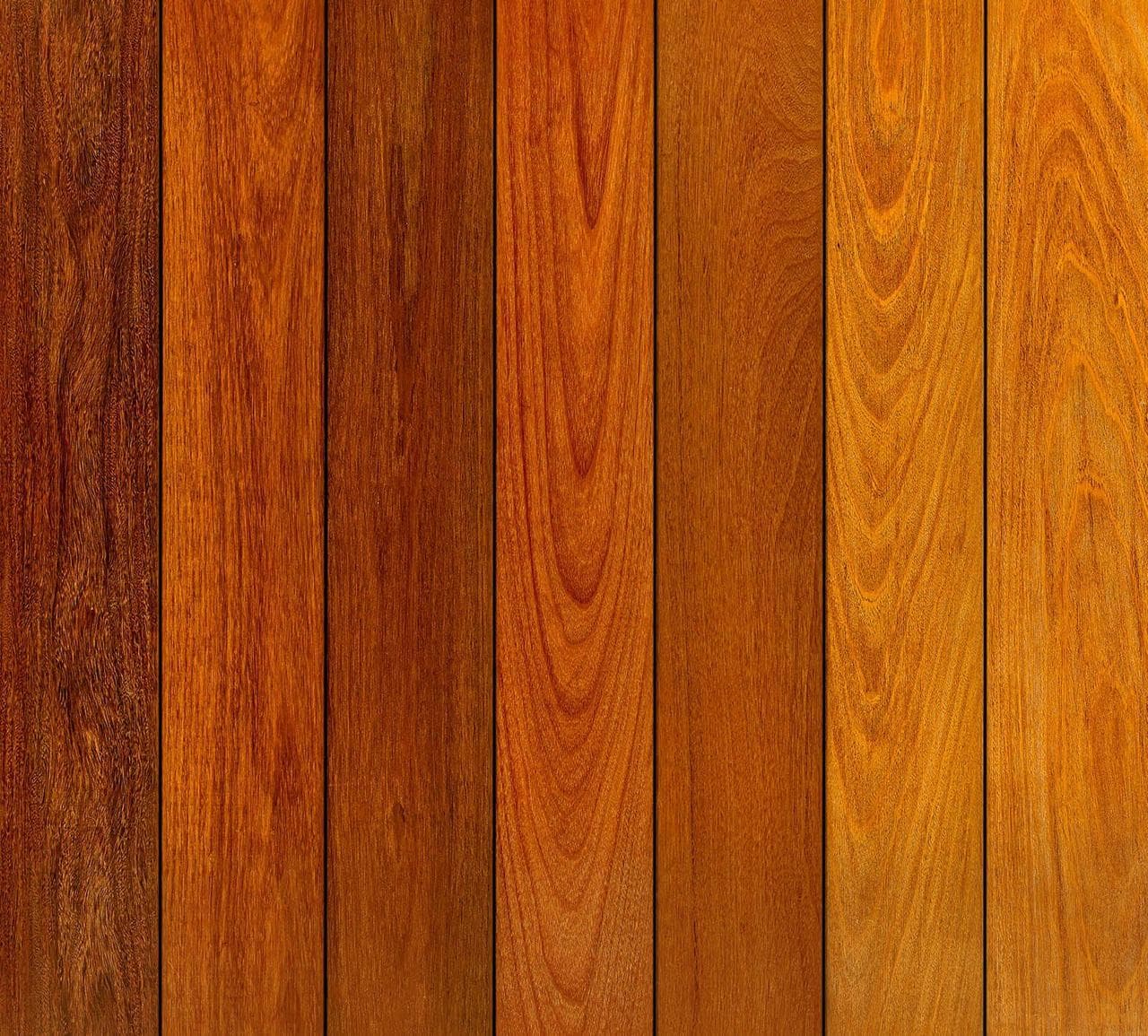
Ipe, also known as Brazilian walnut, is a dense hardwood originating from South America. Its natural properties make it suitable for outdoor applications, including decking in areas like Worcester. Ipe lumber typically ranges in color from reddish-brown to olive-brown, offering a rich aesthetic that can complement various architectural styles. A key characteristic of Ipe is its minimal movement after installation, contributing to a stable deck surface.
For a courtyard, where space can be confined and design details are often more prominent, Ipe's consistent character and resistance to elements are valuable. Its inherent resistance to rot, insects, and mold means it requires fewer chemical treatments compared to some other wood species. This can be a consideration for outdoor rooms where people gather and interact closely with the materials.
Ipe is available in various profiles and sizes, including dimensions from 1"x2" through 6"x6" and lengths from 3 to 24 feet. This range allows for flexibility in design, whether you're planning a simple rectangular deck or a more intricate pattern. When selecting Ipe for a courtyard, consider the board width and length that best suit the scale of your space and desired visual effect.
Designing Your Courtyard Outdoor Room
The design of a courtyard outdoor room with Ipe decking should balance functionality with aesthetics. Consider the primary use of the space—dining, lounging, or a combination—to inform your layout. In Worcester, where seasonal changes are distinct, designing for year-round usability, perhaps with elements like a pergola for shade or a fire pit for cooler evenings, can enhance the space's value.
For a hypothetical 10-foot by 12-foot courtyard deck, you might choose 1x6 (nominal) Ipe decking boards. If you plan for a standard linear installation, you would need to calculate the total linear footage. For a 12-foot length, 22 boards * 12 feet/board = 264 linear feet). Always consult with a professional for precise measurements and a cut plan, especially for non-standard layouts or intricate designs. This example does not account for waste or specific fastening systems.
Think about how the deck will integrate with existing structures. Will it be flush with an interior floor, creating a seamless transition, or will there be a step down? Courtyard decks often benefit from thoughtful edge detailing, such as picture-frame borders or integrated planters, to define the space and add visual interest. These details should be planned in advance to ensure the correct Ipe profiles and quantities are ordered.
Planning for Worcester's Climate and Ipe Maintenance
Worcester experiences a full range of seasons, from warm, humid summers to cold, snowy winters. Ipe's natural resistance to weather changes and its ability to resist warping after moisture exposure make it a practical choice for such conditions. Its natural oils offer protection from cracking or warping, which is beneficial in fluctuating temperatures.
While Ipe is considered low-maintenance, its appearance can be managed based on your preference. If left untreated, Ipe will naturally weather to a silvery-gray patina over time. If you prefer to maintain its original reddish-brown to olive-brown color, a UV-blocking sealer or oil can be applied periodically. This application typically involves cleaning the deck surface and then applying the product according to manufacturer instructions. The frequency of reapplication depends on sun exposure and product type.
Occasional cleaning with a deck cleaner is recommended to remove dirt, pollen, and mildew, especially after winter or during humid periods. Ensuring proper ventilation beneath the deck is also important to prevent moisture buildup, which can affect any decking material over time. This is particularly crucial in a courtyard where airflow might be more restricted than in an open backyard.
Fastening and Installation Considerations
Due to Ipe's density, installation requires specialized tools and techniques. Pre-drilling pilot holes is generally necessary for fasteners to prevent splitting the wood. Both face-fastening and hidden fastener systems can be used, each offering a different aesthetic. Hidden fasteners create a smooth, uninterrupted deck surface, while face-fastening, often with screws and plugs, provides a more traditional look.
The choice of fasteners is important. Stainless steel fasteners are often recommended for Ipe to resist corrosion and staining. Always follow the manufacturer's specific guidelines for board spacing to allow for natural expansion and contraction, which is minimal with Ipe but still a factor. Professional installation is often recommended for Ipe decking to ensure proper techniques are used and to achieve the best results.
Consider the substructure for your Ipe deck. A robust and level substructure is essential for the longevity and stability of any deck. Ensure that the framing is adequately spaced and properly supported for the weight of Ipe and any anticipated live loads, such as furniture or people. Local building codes should always be consulted and followed.
Complementary Materials and Features
To complete your Ipe courtyard outdoor room, consider incorporating complementary materials and features. For example, railings can be crafted from Ipe for a consistent look, or you could opt for metal or glass railings for a contemporary contrast. Built-in benches or planters made from Ipe can further define the space and provide integrated seating or greenery. For lighting, low-voltage deck lights can enhance usability and ambiance during the evening hours.
Consider also the transition from the Ipe deck to adjacent landscaping or hardscaping. Paving stones, gravel paths, or planting beds can create soft transitions and add texture. In a courtyard setting, vertical elements like trellises or privacy screens can also be effective in enhancing the sense of an outdoor room and providing intimacy. Selecting materials that harmonize with the Ipe and the surrounding architecture will contribute to a cohesive design.
Before you order
- Define the primary use of your courtyard outdoor room (dining, lounging, entertaining).
- Measure your courtyard dimensions accurately, noting any irregular shapes or existing structures.
- Select your preferred Ipe decking profile and dimensions (e.g., 1x6, 5/4x6) based on aesthetic and structural needs.
- Decide on the desired appearance: natural weathered gray or maintained with a UV-blocking finish.
- Plan for proper deck ventilation, especially in enclosed courtyard spaces.
- Choose between hidden fasteners or face-fastening with plugs, considering installation and visual preference.
- Identify any complementary features such as railings, built-in seating, planters, or lighting.
- Confirm local building codes and obtain necessary permits for your decking project.
- Consult with a professional installer for detailed planning and execution, especially given Ipe's density.
- Request a material quote with exact dimensions, preferred profiles, and your ZIP code to confirm availability and service options.
Confirm installation details, approved uses and warranty terms in the current instructions for the exact product and profile. Your installer should verify the substrate, structure and applicable project requirements.
This is a planning guide for projects in Worcester, MA. Ask our team to confirm availability, delivery to your ZIP code and which branch can support your order.
Questions to help you decide
How does Ipe decking perform in the Worcester winter?
Ipe is highly resistant to extreme weather conditions. Its natural oils protect it from cracking or warping due to moisture exposure and temperature fluctuations, making it well-suited for Worcester's cold, snowy winters. Proper installation with adequate spacing and ventilation will further enhance its performance.
Will Ipe decking retain its original color in a courtyard setting?
If left untreated, Ipe decking will naturally weather to a silvery-gray patina over time, typically within a few months to a year, depending on sun exposure. To maintain its original reddish-brown to olive-brown color, a UV-blocking sealer or oil must be applied periodically. The frequency depends on the product and the specific sun exposure in your courtyard.
What kind of substructure is needed for an Ipe deck?
A robust and level substructure is crucial for an Ipe deck. Given Ipe's density and weight, the framing should be designed to adequately support the material and anticipated live loads. Standard deck framing practices, often using pressure-treated lumber or steel, are typically employed, ensuring proper joist spacing and ledger board attachment. Always consult local building codes and a structural engineer for specific requirements.
Ready to Transform Your Worcester Courtyard with Ipe Decking?
Request a material quote today. Provide your project dimensions, desired Ipe profile, and ZIP code to confirm current availability and service options for your outdoor room project.
Request a material quote →