Why Ipe for a Courtyard Outdoor Room?
Ipe, also known as Brazilian walnut, is a dense hardwood recognized for its durability and resistance to various environmental factors. These properties make it a suitable choice for outdoor applications where longevity is a priority.
In a courtyard setting, where the deck might be subject to fluctuating sun exposure, potential moisture traps, or heavy foot traffic, Ipe's natural resistance to rot, insects, and mold can be an advantage. Its stability helps it resist warping after moisture exposure, which is an important consideration in areas where drainage might be more contained.
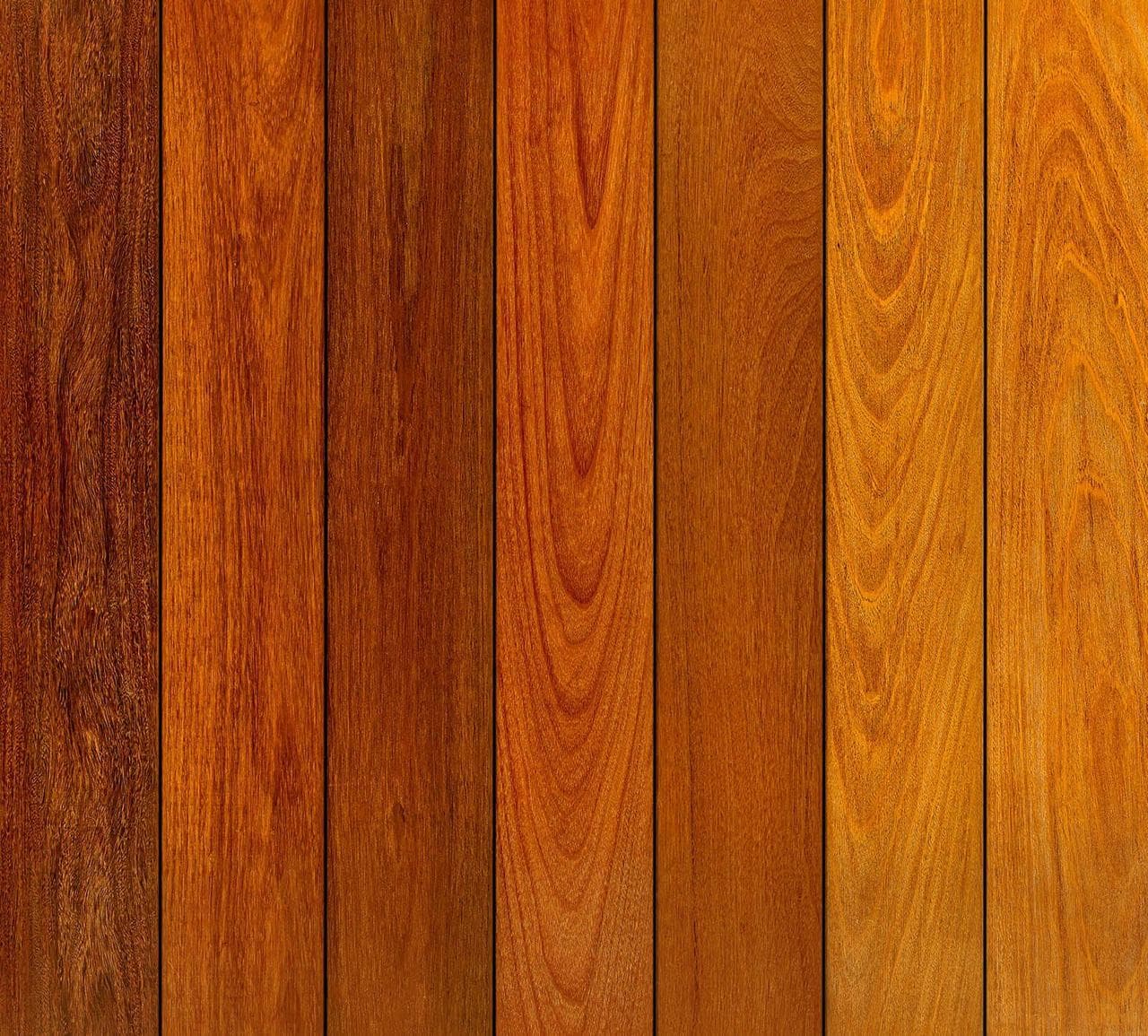
The appearance of Ipe, ranging from reddish-brown to olive-brown, offers a natural aesthetic that can complement both modern and traditional architectural styles. If left untreated, Ipe will weather to a silvery-gray patina, offering a different visual character over time. This natural weathering can be a design choice to integrate the deck with surrounding stone or stucco elements often found in courtyards.
Ipe's density also contributes to its resistance to surface wear, which is beneficial for a space that may see frequent use as an extension of indoor living.
Designing Your Courtyard Outdoor Room with Ipe
The design of a courtyard outdoor room with Ipe decking often focuses on optimizing a smaller, more enclosed area for function and aesthetics. Consider the primary use of the space: is it for dining, lounging, or a combination? This will influence the layout, furniture placement, and ultimately, the required deck dimensions.
Integrating the deck with existing structures, such as walls, planters, or water features, is key. Ipe can be cut and installed to create seamless transitions or distinct zones within the courtyard. Think about how the deck will meet thresholds from interior doors and how it will interact with surrounding paving or landscaping.
Shade is a critical element in courtyard design, especially in sun-exposed climates. While Ipe resists warping, prolonged direct sun exposure can affect its surface temperature. Planning for pergolas, awnings, or strategically placed trees can enhance comfort and protect the deck's appearance over time. The reddish-brown to olive-brown tones of Ipe can provide a warm foundation for a shaded space.
Profile and Dimensions for Courtyard Decking
Ipe decking is available in various profiles and dimensions, typically ranging from 1"x2" through 6"x6" in lengths from 3 to 24 feet. For courtyard decking, common board widths like 1x4 or 1x6 are often selected. The choice of profile can influence the visual scale of the deck and the installation method.
Grooved boards are designed for hidden fastening systems, which result in a clean, fastener-free surface. Square-edge boards are typically face-fastened. Each method has specific installation requirements and aesthetic outcomes. Confirming the exact dimensions and profiles available is an important step in material selection.
When planning, consider the overall size of your courtyard and how the board widths will lay out. For a more intimate courtyard, narrower boards might create a sense of scale, while wider boards can make a larger space feel more expansive. The ability to source Ipe in various lengths can help minimize waste and reduce the number of end joints in your design.
Planning for Drainage and Ventilation
Courtyards, by their enclosed nature, often require careful attention to drainage and ventilation beneath the deck. Proper air circulation is important for any deck, and particularly for dense hardwoods like Ipe, to help prevent moisture buildup and ensure the long-term stability of the material. Ensure there is adequate spacing between deck boards to allow for water runoff and air movement.
Consult with your installer or designer to ensure the sub-structure allows for proper water flow away from the building and that there is sufficient ventilation to prevent moisture from becoming trapped under the deck. This might involve grading the sub-surface, installing perimeter vents, or designing a slightly elevated deck system.
Maintenance Expectations for Ipe Decking
Ipe wood is considered low maintenance. If left untreated, it will naturally weather to a silvery-gray patina. This process is gradual and can be a desired aesthetic. For those who prefer to maintain the wood's original reddish-brown to olive-brown color, regular application of a UV-blocking sealer is recommended.
Occasional cleaning with appropriate deck cleaners will help remove dirt, pollen, and other surface contaminants. It's important to use products compatible with Ipe to avoid damaging the wood. Understanding these maintenance requirements upfront allows you to plan for the ongoing care of your courtyard deck and ensure its appearance aligns with your expectations.
The natural oils in Ipe provide protection against cracking or warping, contributing to its low maintenance profile compared to some other wood species.
Worked Example: A Courtyard Dining Area
Consider a hypothetical courtyard measuring 12 feet by 15 feet, intended to be an outdoor dining area adjacent to a kitchen. The goal is to install an Ipe deck that covers an 8-foot by 12-foot section, creating a defined dining space while leaving perimeter areas for landscaping or gravel pathways. We'll use 1x6 Ipe decking boards, which are nominally 5.5 inches wide and available in lengths up to 24 feet.
To cover the 8-foot (96-inch) width, we would need 96 inches / 5.5 inches per board = approximately 17.45 boards. Since we need full boards, we would plan for 18 boards across the 8-foot dimension. For the 12-foot (144-inch) length, if we lay boards parallel to the 12-foot dimension, we can use 12-foot length boards. This minimizes cuts and waste.
Therefore, we would need 18 boards, each 12 feet long. Total lineal footage: 18 boards * 12 feet/board = 216 lineal feet. This calculation assumes minimal waste and a straightforward layout. Always add a percentage (typically 10-15%) for cuts, waste, and future repairs. In this case, ordering approximately 240-250 lineal feet would be a more practical approach.
This example highlights how board dimensions and project layout directly influence the quantity needed, emphasizing the importance of precise measurements and a detailed cut plan.
Before you order
- Determine the primary function of your courtyard outdoor room (dining, lounging, etc.).
- Measure the exact dimensions of the area to be decked, including any irregular shapes or obstacles.
- Consider the desired finished appearance: natural weathered silver-gray or an oiled reddish-brown.
- Select the Ipe board profile (grooved for hidden fasteners or square-edge for face fastening).
- Confirm the available board widths and lengths to optimize your layout and minimize waste.
- Plan for adequate drainage and ventilation beneath the deck structure.
- Review maintenance expectations and commit to a care routine if maintaining the original color.
- Account for access points, such as doors and pathways, and how the deck will integrate.
- Consider shade structures or landscaping to enhance comfort and protect the deck surface.
Confirm installation details, approved uses and warranty terms in the current instructions for the exact product and profile. Your installer should verify the substrate, structure and applicable project requirements.
This is a planning guide for projects in Santa Fe, NM. Ask our team to confirm availability, delivery to your ZIP code and which branch can support your order.
Questions to help you decide
How does Ipe perform in varied climate conditions?
Ipe is highly weather resistant due to its natural oils, which help protect it from cracking or warping. Its minimal movement post-installation contributes to its stability across different weather changes. This makes it a robust option for outdoor spaces that experience temperature fluctuations.
Can Ipe decking be installed over an existing concrete courtyard?
Yes, Ipe decking can be installed over a concrete courtyard, provided that proper drainage and ventilation are established. This typically involves creating a sleeper system or a sub-frame that elevates the decking off the concrete, allowing for air circulation and water runoff. It is crucial to ensure the concrete slab itself has a slight slope for drainage.
What is the typical lifespan of Ipe decking in a courtyard setting?
With proper care, Ipe decking can last for a significant duration, often several decades. Its natural resistance to rot, insects, and mold contributes to its longevity. Regular cleaning and, if desired, sealing can help preserve its structural integrity and aesthetic appeal over time.
Ready to Plan Your Ipe Courtyard Outdoor Room?
Request a material quote with your project dimensions, desired Ipe profile, and ZIP code. We can confirm current availability and service options for your project.
Request a material quote →