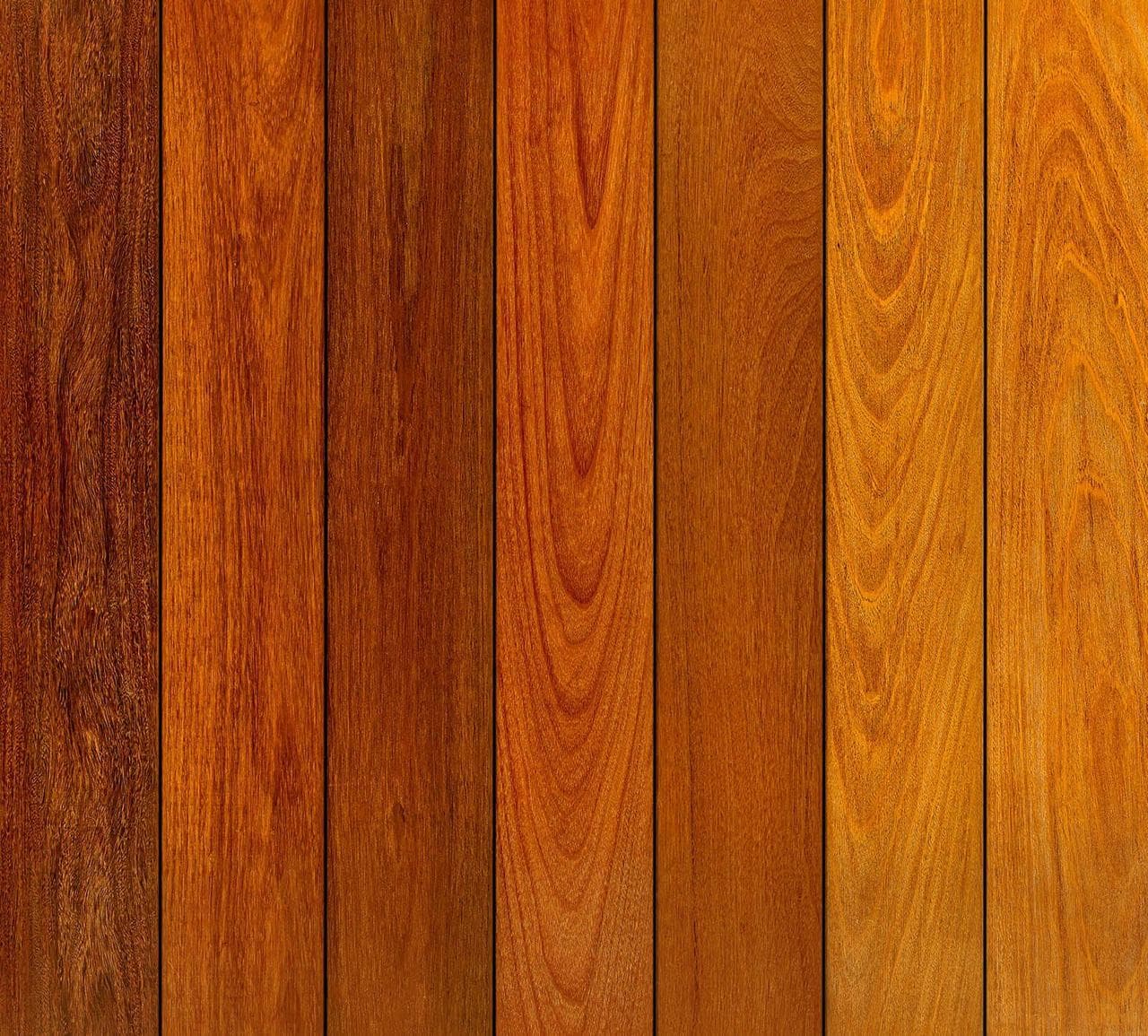
Why Ipe for a Courtyard Outdoor Room?
Courtyard outdoor rooms are often defined by their enclosed nature, which can create microclimates that differ from open decks. These spaces may experience more concentrated moisture, varied sun exposure, and sometimes limited air circulation. Ipe wood, also known as Brazilian walnut, is a dense, durable hardwood native to South America. It is recognized for its natural resistance to rot, insects, and mold, making it a suitable choice for environments where moisture and organic matter might accumulate.
Its reddish-brown to olive-brown tones can add a sense of warmth and luxury to a courtyard, complementing both traditional and contemporary designs. The material's inherent strength means it can support various outdoor furnishings and activities without significant wear over time. This durability is especially valuable in a courtyard, where the deck may see frequent use as a primary gathering space.
Ipe also offers minimal movement post-installation, contributing to a stable and consistent surface over many years. This stability is a key advantage for an outdoor room where a level, uniform floor is important for furniture placement and overall usability.
Selecting Ipe Decking Profiles for Your Courtyard
Ipe decking is available in a variety of profiles and sizes, allowing for design flexibility within a courtyard setting. Common dimensions range from 1x2 inches up to 6x6 inches, with lengths typically from 3 to 24 feet. For most courtyard decks, standard decking boards such as 1x4, 1x6, 5/4x4, or 5/4x6 are frequently used.
Square-edge boards are often selected for face-fastening installations, providing a clean, traditional look. Grooved-edge boards are designed for hidden fastening systems, which can result in a smoother, fastener-free surface appearance. The choice between these depends on your aesthetic preference and installation method. Hidden fasteners can be particularly appealing in a courtyard where a seamless look might enhance the sense of an indoor-outdoor room.
Consider how the chosen profile will interact with the surrounding architecture and landscaping. Thicker boards (e.g., 5/4 inch) can offer a more substantial feel and potentially greater stability, while narrower boards can create a more intricate visual pattern. Always verify the exact dimensions and profiles available for your project.
Planning for Drainage and Ventilation in Courtyards
Given the enclosed nature of many courtyards, proper drainage and ventilation are critical for the longevity of an Ipe deck. While Ipe is resistant to moisture, standing water or persistently damp conditions can still impact any decking material over time. Ensure the sub-structure allows for adequate water runoff away from the building foundation and proper air circulation beneath the deck.
Consider a slight slope in the deck surface (typically 1/8 inch per foot) to facilitate drainage. For decks built close to the ground, ensure there is sufficient space for airflow to prevent moisture buildup and inhibit mold or mildew growth. This is especially important in Portland, ME, where humidity can fluctuate with seasonal weather. Local building practices may offer specific guidance on minimum clearance requirements for low-level decks.
Integrating a robust drainage system beneath the deck, such as a sloped membrane or gutters, can further protect the substructure and surrounding areas from water damage. Consult with your installer to confirm that the proposed design addresses these crucial elements effectively.
Maintenance Expectations for Ipe Decking
Ipe wood is known for being low maintenance, particularly when compared to some other wood species. It naturally resists rot, insects, and mold. If left untreated, Ipe will weather to a silvery-gray patina over time, a look many homeowners find appealing. This natural weathering does not compromise the wood's structural integrity.
If you prefer to maintain Ipe's original reddish-brown to olive-brown color, periodic application of a UV-blocking sealer or deck oil is recommended. The frequency of application will depend on sun exposure and personal preference, but typically ranges from annually to every few years. Regular cleaning with a deck cleaner to remove dirt, pollen, and mildew is also advisable to keep the surface looking its best.
Even with minimal maintenance, Ipe's natural oils protect it from cracking or warping, contributing to its long lifespan. Proper care, combined with its inherent durability, helps Ipe decking last for decades.
Worked Example: Designing a Courtyard Deck in Portland, ME
Consider a hypothetical courtyard in Portland, ME, measuring 15 feet by 20 feet, intended as an outdoor dining and lounge area. The homeowner wants a durable, elegant surface that will withstand the local climate.
For this 300 square foot area, using Ipe 5/4 x 6 inch boards (actual dimension approximately 1 inch thick by 5.5 inches wide) would be a practical choice. These boards offer a substantial feel and are robust enough for heavy outdoor furniture. If we plan for a straight lay with boards running the 20-foot length, this would minimize butt joints and create long, uninterrupted lines.
Each 5/4 x 6 board provides roughly 0.458 square feet per linear foot (5.5 inches / 12 inches * 1 foot). For 300 square feet, this means approximately 655 linear feet of decking boards. When ordering, it's prudent to add 10-15% for cuts, waste, and future repairs, bringing the total to about 720-750 linear feet. Given that Ipe is often sold in varied lengths (e.g., 8-20 feet), a mix of lengths would be ordered to optimize cuts and reduce waste. For example, a mix of 12-foot, 16-foot, and 20-foot boards could be used, depending on availability and the specific cut plan. This approach allows for efficient material use and reduces the number of visible seams on the deck surface.
Hidden fasteners would be chosen for a clean, contemporary look, compatible with grooved-edge Ipe boards. A slight slope of 1/8 inch per foot would be incorporated for drainage, directing water towards a permeable border or a discreet drainage channel. The deck would be elevated sufficiently to allow for cross-ventilation beneath the surface, crucial for managing moisture in the Portland climate.
Before you order
- What are the precise dimensions of your courtyard outdoor room?
- What is the intended use of the space (dining, lounging, mixed-use)?
- Do you prefer the natural silvery-gray patina or the original rich brown tone for your Ipe?
- Will you use face fasteners or a hidden fastening system?
- Have you considered the drainage and ventilation requirements for your specific site?
- What Ipe board profile and dimensions best suit your aesthetic and functional needs?
- Have you accounted for a waste factor (typically 10-15%) in your material quantity estimate?
- What is your plan for ongoing maintenance to achieve your desired appearance?
- Have you confirmed local building codes for deck construction, especially regarding ground clearance and ventilation?
Confirm installation details, approved uses and warranty terms in the current instructions for the exact product and profile. Your installer should verify the substrate, structure and applicable project requirements.
This is a planning guide for projects in Portland, ME. Ask our team to confirm availability, delivery to your ZIP code and which branch can support your order.
Questions to help you decide
How does Ipe wood perform in Portland, ME's climate?
Ipe is highly weather-resistant and well-suited for varied climates, including those with seasonal changes like Portland, ME. Its natural oils protect it from cracking or warping due to moisture exposure. It handles both winter conditions and summer humidity effectively, making it a durable choice for outdoor use.
Does Ipe decking require professional installation?
While it is possible to install Ipe yourself, professional installation is recommended due to its density. Ipe requires specialized tools and techniques for cutting, drilling, and fastening. Professionals can ensure proper installation, which contributes to the deck's longevity and appearance.
Can Ipe be used for other elements in a courtyard outdoor room?
Yes, Ipe's durability and aesthetic appeal make it suitable for various outdoor applications beyond decking. It can be used for benches, planters, privacy screens, or even as an accent for railings, creating a cohesive design within your courtyard outdoor room. Always verify the specific profile and dimension are appropriate for the intended structural use.
Ready to Plan Your Ipe Courtyard Deck?
Request a material quote with your project dimensions, desired Ipe profile, and ZIP code. We can help confirm current availability and service options for your Portland, ME project. Explore our full range of Ipe decking and related outdoor materials.
Request a material quote →