Why Ipe Decking for a Courtyard Outdoor Room?
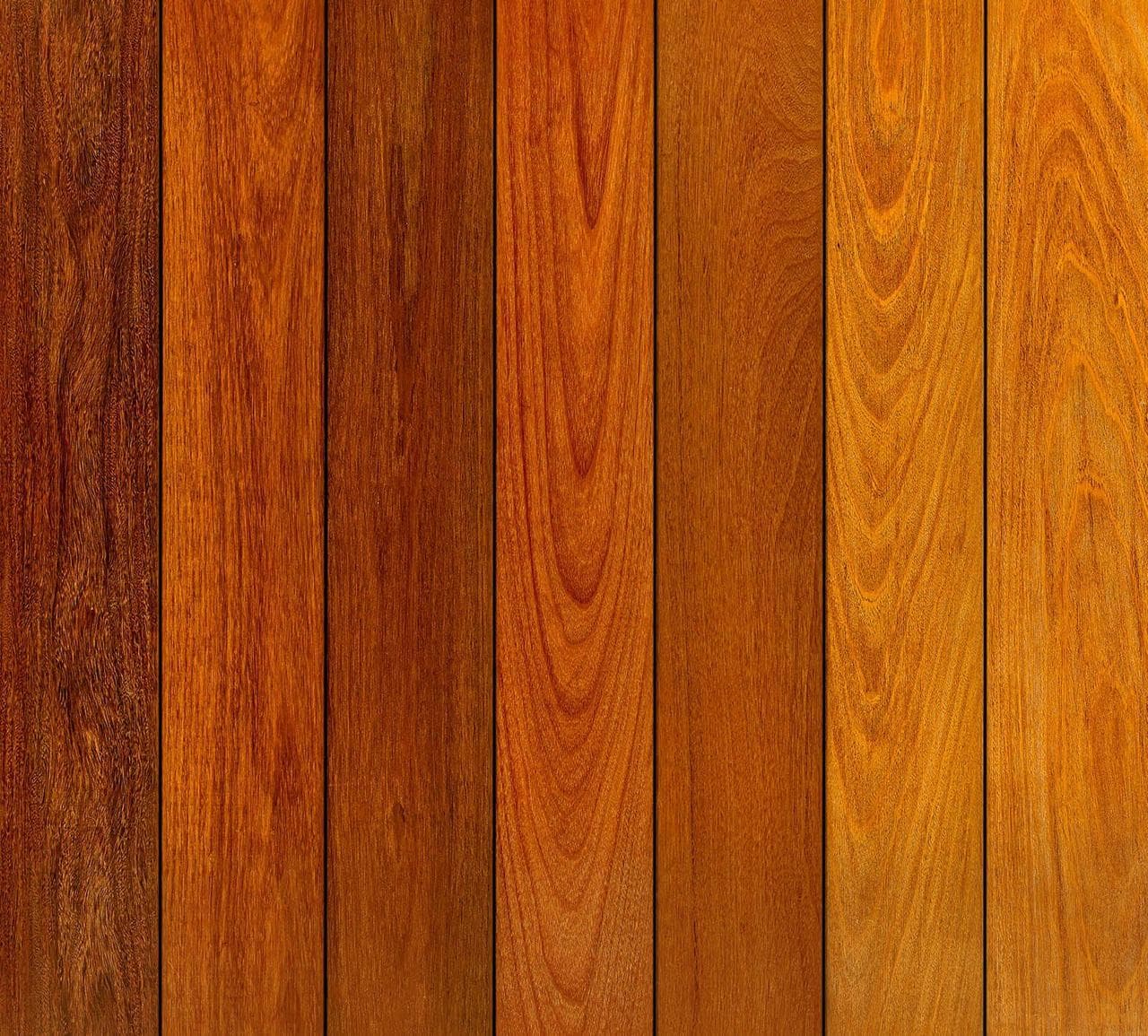
Ipe wood, also known as Brazilian walnut, is a dense, durable hardwood originating from South America. Its natural properties make it well-suited for demanding outdoor applications, including courtyard settings. The wood's color ranges from reddish-brown to olive-brown, offering a rich aesthetic that can complement various architectural styles.
In a courtyard, where the decking might experience varied exposure to sun and shade, as well as foot traffic, Ipe's resistance to weather changes, mold, and termites is a significant advantage. It is a material chosen for projects requiring longevity and resilience, making it a practical choice for an outdoor room intended for regular use. With proper care, Ipe decking can offer a long service life, reducing the need for frequent replacement.
Ipe resists warping after moisture exposure and its natural oils protect it from cracking or warping, which is particularly relevant for outdoor areas that may experience snowmelt or rain.
Planning Your Courtyard Outdoor Room Layout
A courtyard outdoor room often has defined boundaries, making precise planning crucial. Start by measuring the exact dimensions of your courtyard area. Consider how the decking will integrate with existing structures, walls, or landscaping. Think about the flow of traffic, the placement of furniture, and any features like planters or fire pits.
For a typical courtyard, you might be working with dimensions that are not always perfectly square or rectangular. Sketching a layout will help visualize the space and identify potential challenges, such as irregular angles or transitions to other materials. Account for necessary clearances around doors or gates.
Consider the orientation of the courtyard relative to the sun. While Ipe is resistant to weathering, understanding sun exposure will help in planning for shade structures or selecting appropriate finishes if you wish to maintain its original color.
Choosing Ipe Decking Profiles and Sizes
Ipe lumber is available in a variety of profiles and sizes, allowing for flexibility in design. Common dimensions include 1x4, 1x6, 5/4x4, and 5/4x6 boards. The choice of profile can influence the overall look and feel of your courtyard deck. Thicker boards, such as 5/4, can offer a more substantial feel and are often preferred for their strength.
Square-edge boards are suitable for face-fastening, while grooved boards are designed for use with hidden fastening systems, which can provide a cleaner, screw-free surface. For a courtyard, a hidden fastening system might be preferred for aesthetic reasons, creating a seamless appearance.
Ipe is available in lengths typically ranging from 3 to 24 feet. Planning your layout with available lengths helps minimize waste and reduce the number of butt joints. It's advisable to order a mix of lengths to facilitate a staggered, visually appealing pattern.
A Worked Example: A 10' x 12' Courtyard Deck
Let's consider a hypothetical courtyard outdoor room measuring 10 feet by 12 feet, where we aim for a clean, contemporary look using Ipe 1x6 (nominal) decking.
First, calculate the total area: 10 ft * 12 ft = 120 square feet.
Next, determine the number of boards needed. If boards are laid parallel to the 12-foot length, each board covers 5.5 inches (or 5.5/12 feet) in width. For a 10-foot width, you would need 10 feet / (5.5/12 feet per board) = approximately 21.8 boards. Since boards are purchased in full units, you would need 22 boards, each 12 feet long. This gives you 22 * 12 = 264 linear feet of Ipe 1x6.
To account for cuts, waste, and a small buffer for future repairs, it is standard practice to add 10-15% to the total material. For 264 linear feet, adding 15% would bring the total to 264 * 1.15 = approximately 304 linear feet. You would then convert this linear footage into a suitable mix of available board lengths, aiming to maximize coverage and minimize short offcuts.
This calculation provides a material estimate. Always confirm precise dimensions, waste factors, and specific installation requirements with your installer or project plans.
Maintenance and Appearance Options for Ipe in Billings
Ipe wood is known for being low maintenance. If left untreated, Ipe will naturally weather to a silvery-gray patina, a process that can add character to your courtyard. This weathered look is a common choice for many homeowners who appreciate a natural aesthetic.
If you prefer to maintain the wood's original reddish-brown to olive-brown color, you can apply a UV-blocking sealer. Occasional cleaning and reapplication of the sealer will help preserve its vibrant tone. The frequency of reapplication may depend on the specific product used and the degree of sun exposure in your Billings courtyard.
Regular cleaning of your Ipe deck with a broom or hose can help remove dirt, leaves, and other debris, preventing buildup. While Ipe is naturally resistant to mold, keeping the surface clean and allowing for proper drainage will further contribute to its longevity. It's important to use cleaning products that are compatible with Ipe wood to avoid discoloration or damage.
Before you order
- Confirm courtyard dimensions and integrate with existing structures.
- Decide on the desired Ipe appearance: natural silver-gray patina or maintained original color with UV-blocking sealer.
- Select Ipe board profile (e.g., 1x6, 5/4x6) and fastening method (face-fastened or hidden).
- Estimate linear footage needed, accounting for waste and cuts.
- Plan for proper drainage and ventilation beneath the deck.
- Consider complementary materials and design elements for your outdoor room.
- Review local building codes and obtain necessary permits for deck construction.
Confirm installation details, approved uses and warranty terms in the current instructions for the exact product and profile. Your installer should verify the substrate, structure and applicable project requirements.
This is a planning guide for projects in Billings, MT. Ask our team to confirm availability, delivery to your ZIP code and which branch can support your order.
Questions to help you decide
How does Ipe decking perform in Billings' climate?
Ipe is highly weather-resistant. Its natural oils protect it from cracking or warping, making it suitable for varying temperatures and conditions, including winter exposure. While durable, proper installation with adequate ventilation and drainage is important to maximize its performance.
Can I install Ipe decking myself?
While it is possible for experienced DIYers, Ipe is a very dense hardwood and requires specialized tools and techniques for installation. Professional installation is generally recommended to ensure correct fastening, proper board spacing, and optimal longevity of the deck.
What kind of maintenance does Ipe decking require?
Ipe wood is low maintenance. If you prefer its original color, apply a UV-blocking sealer periodically. If left untreated, it will weather to a silvery-gray. Regular cleaning with a broom or hose to remove debris is beneficial for both appearances.
Ready to Transform Your Billings Courtyard?
Request a material quote for Ipe decking with your project dimensions, desired profile, and ZIP code. Confirm current availability and service options for your outdoor room project.
Request a material quote →