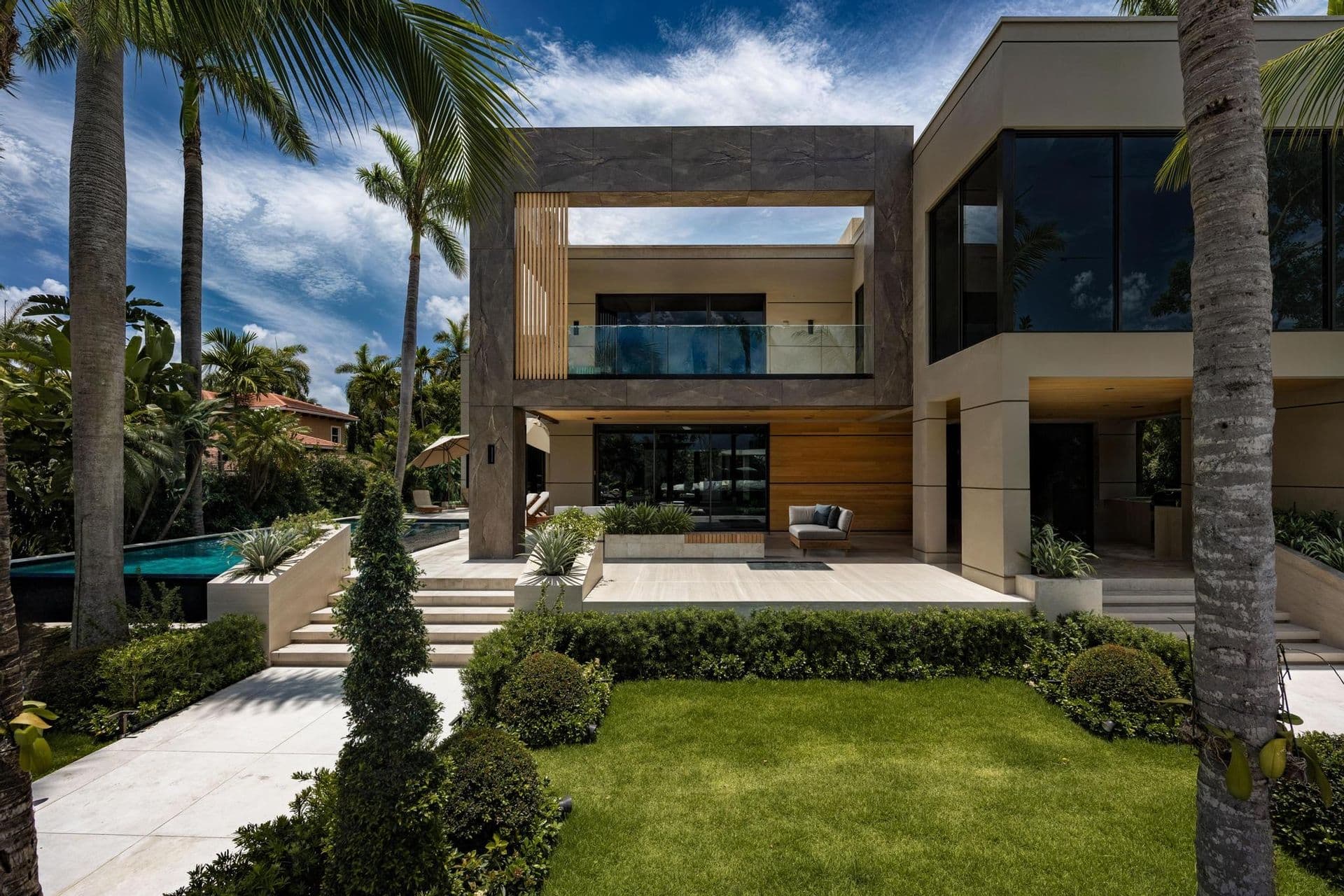
Why Choose Hardwood Siding for Privacy Screens?
Hardwood siding brings a natural, sophisticated aesthetic to any outdoor space. Unlike generic fencing materials, hardwood offers a range of grain patterns, colors, and textures that can complement architectural styles from modern to rustic. The material's inherent density provides a substantial feel and can contribute to sound dampening, offering a more serene private area.
Beyond its visual appeal, hardwood is known for its durability. Species such as Ipe, Cumaru, and Garapa are naturally resistant to decay and insects, making them suitable for outdoor applications where exposure to elements is constant. When properly installed and maintained, hardwood siding can offer a long service life for a privacy screen, weathering gracefully over time. Its versatility in profiles also allows for creative design choices, from tight, opaque screens to more open, slatted designs that filter light and air.
Selecting the Right Hardwood Species and Profiles
The choice of hardwood species is crucial for a privacy screen, influencing both its appearance and longevity. Brazilian hardwoods like Ipe, Cumaru, and Garapa are popular for their hardness and natural resistance to outdoor conditions. Ipe is recognized for its deep brown tones and extreme density, while Cumaru offers golden to reddish-brown hues at a contractor-friendly price. Garapa presents a lighter, golden color. For those seeking modified wood options, thermally modified Ash or Ayous offer enhanced stability and a consistent appearance.
Siding profiles also play a significant role in the screen's design. Common profiles include tongue-and-groove, shiplap, and rainscreen profiles. Tongue-and-groove or shiplap profiles can create a more solid, continuous surface for maximum privacy. Rainscreen profiles, which incorporate a gap between boards, allow for airflow and create interesting shadow lines, offering a balance between privacy and openness. Consider the desired level of visual screening and the overall aesthetic when selecting a profile.
Explore options such as: Ipe Siding, Cumaru Siding, Garapa Siding, Thermally Modified Wood, and Maximo Accoya.
Consider the desired visual effect: a solid screen for maximum seclusion, or a slatted design for filtered light and ventilation. The profile choice directly impacts this.
Design Considerations for Light, Air, and Aesthetics
A privacy screen's design should integrate with the surrounding landscape and architecture. Consider the screen's orientation relative to the sun and prevailing winds. A solid screen can block desirable breezes and create unwanted shade, while a slatted design can filter light and air, maintaining a comfortable microclimate. The spacing between boards in a slatted screen can be adjusted to control visibility and airflow. Wider gaps offer more openness, while narrower gaps provide increased privacy.
Aesthetically, the screen can be designed as a standalone feature or as an extension of an existing structure. Vertical or horizontal board orientation can dramatically alter the perception of height and width. Horizontal boards can make a space feel wider, while vertical boards can emphasize height. Incorporating different board widths or staggering joints can add visual interest. Think about how the screen will appear from both sides and how it will integrate with existing landscaping, such as planters or pathways.
Structural Support and Installation Planning
A privacy screen, especially one constructed with dense hardwood siding, requires robust structural support to withstand wind loads and its own weight. The support structure typically consists of posts embedded securely in the ground, often in concrete footings, and horizontal framing elements to which the siding boards are attached. The size and spacing of posts and framing should be engineered to the screen's dimensions and local wind conditions. Consult with a structural engineer or experienced contractor for designs exceeding typical fence standards.
Installation of hardwood siding on a privacy screen follows principles similar to facade cladding. Boards should be fastened securely, typically with stainless steel screws or hidden fasteners, allowing for natural wood movement. Proper spacing between boards (for rainscreen or slatted designs) is critical for drainage and air circulation. Ensure that all cuts are sealed to minimize moisture absorption and that the screen has adequate ground clearance to prevent rot. The specific fastening system will depend on the chosen siding profile and the desired aesthetic.
Worked Example: Designing a Slatted Hardwood Privacy Screen
Let's consider a hypothetical privacy screen project: creating a 10-foot long by 6-foot high slatted privacy screen using 5.5-inch wide Cumaru siding boards (nominal 1x6). The goal is to provide partial visual screening while allowing air circulation.
For structural support, we'll assume three 4x4 pressure-treated posts, spaced 5 feet apart, set into concrete footings. Two horizontal 2x4s will run between the posts at 18 inches and 48 inches from the bottom to provide fastening points for the siding. The Cumaru siding boards are 10 feet long.
For a 6-foot (72-inch) height, we need to calculate the number of boards.
Since the boards are 10 feet long, and the screen is 10 feet long, we will use 12 full boards. This is a hypothetical example; actual structural requirements and fastening details must be confirmed by a professional for your specific project.
Before you order
- Determine the primary function: full privacy, partial screening, or purely decorative.
- Evaluate desired aesthetic: grain, color, and profile (e.g., solid shiplap, open rainscreen).
- Select hardwood species suitable for outdoor exposure (e.g., Ipe, Cumaru, Garapa, thermally modified wood).
- Plan board orientation: horizontal or vertical, and consider any mixed patterns.
- Calculate dimensions: length, height, and desired board spacing for slatted designs.
- Design structural support: posts, footings, and framing to handle material weight and wind loads.
- Confirm fastening method: visible screws or hidden clips, suitable for the chosen profile and species.
- Consider ground clearance and drainage to prevent moisture-related issues.
- Account for natural wood movement by allowing appropriate expansion/contraction gaps.
- Plan for ongoing maintenance: cleaning, sealing, or allowing to weather naturally.
Confirm installation details, approved uses and warranty terms in the current instructions for the exact product and profile. Your installer should verify the substrate, structure and applicable project requirements.
Questions to help you decide
Can any hardwood siding be used for a privacy screen?
While many hardwoods are suitable, it is best to choose species known for their outdoor durability and natural resistance to decay and insects. Brazilian hardwoods like Ipe, Cumaru, and Garapa, or thermally modified woods, are generally good choices due to their inherent properties. Always confirm the manufacturer's recommendations for exterior applications.
How do I ensure my hardwood privacy screen is stable in windy conditions?
Stability in windy conditions is paramount. This requires a robust support structure, typically involving sturdy posts deeply set into concrete footings. The sizing and spacing of these posts, along with horizontal framing, should be designed to withstand anticipated wind loads. Consulting a structural engineer or experienced contractor for appropriate design and installation is highly recommended, especially for taller or longer screens.
What maintenance is required for a hardwood siding privacy screen?
Maintenance depends on your desired aesthetic. If you prefer the wood to maintain its original color, regular cleaning and periodic application of a UV-protective oil or sealer will be necessary. If you allow the wood to weather naturally, it will typically silver or gray over time, requiring less frequent maintenance, perhaps just occasional cleaning to remove dirt and mildew. Always follow the specific maintenance guidelines for your chosen hardwood species and finish.
Ready to Design Your Hardwood Privacy Screen?
Request a material quote with your project dimensions, desired profile, and ZIP code to confirm current availability and service options. Our team can help you select the right hardwood siding for your privacy screen project.
Request a material quote →