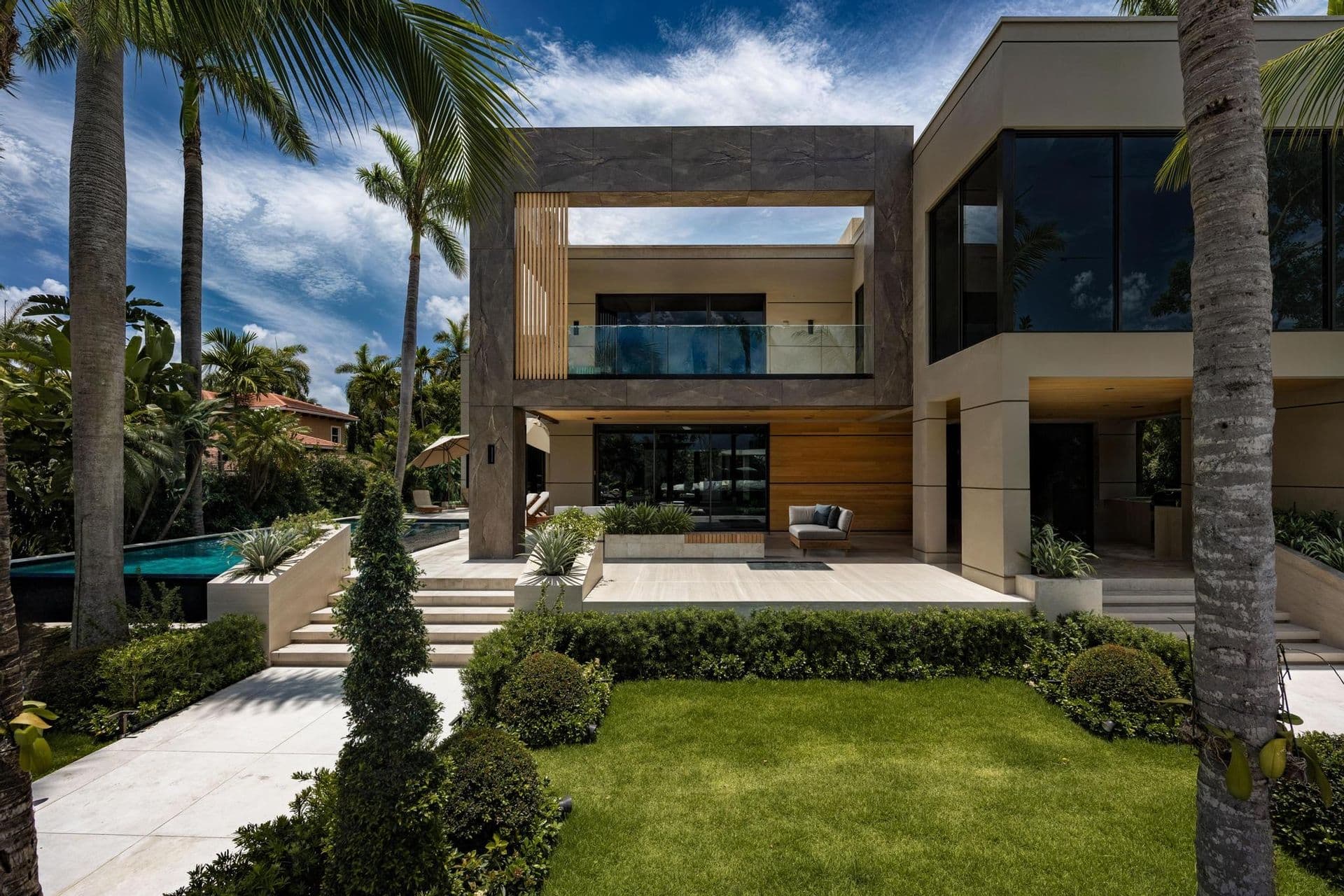
Defining the Hospitality Wall's Purpose and Location
Before selecting any material, clearly define the role of the hardwood siding within the hospitality space. Is it an interior feature wall in a reception area, a durable exterior facade on a restaurant, or a decorative panel in a guest corridor? Each location presents unique challenges and opportunities for material selection and detailing.
Interior applications might prioritize aesthetic consistency, sound dampening, and ease of cleaning, while exterior walls require superior weather resistance, dimensional stability, and UV protection. High-traffic areas, such as entryways or public lounge walls, demand materials that can withstand frequent contact and are easy to repair or refinish. Lower-traffic areas, like upper-level facade elements or private dining accents, may allow for more delicate profiles or finishes.
Hardwood Species for Durability and Aesthetics
The choice of hardwood species significantly impacts both the visual character and the practical performance of your hospitality wall. For a bold statement with exceptional strength, Brazilian hardwoods like Ipe or Cumaru offer rich tones and robust density, suitable for high-impact exterior applications. Garapa provides a golden tone with a contractor-friendly price, while Angelim offers a structural workhorse for larger wall installations.
For a different aesthetic and enhanced stability, thermally modified woods such as Scandinavian Thermally Modified Wood or thermally modified Ash present clean grains and Nordic character. These woods undergo a heat treatment process that improves their dimensional stability and resistance to decay, making them suitable for both interior and exterior use where consistent performance is key. Maximo Accoya, an acetylated wood, offers another option for stability and durability, distinct from thermally modified wood, with applications in siding and cladding.
Consider the natural color variation, grain pattern, and inherent properties of each species. Some woods will naturally silver over time if left unfinished outdoors, while others will retain their initial tones longer with appropriate finishing and maintenance. Align these natural characteristics with the desired long-term aesthetic of the hospitality space.
Profile and Shadow Line: Crafting Visual Impact
The profile of the hardwood siding dictates the shadow lines and overall texture of the wall. Common profiles include Tongue & Groove, Shiplap, and Rain Screen. Tongue & Groove provides a tight, interlocking fit, offering a smooth, continuous surface that is often favored for interior feature walls or sheltered exterior areas. Shiplap creates distinct horizontal or vertical lines with overlapping boards, adding depth and a classic aesthetic.
Rainscreen assemblies are particularly relevant for exterior hospitality walls, providing a ventilated air gap behind the siding. This system helps manage moisture, improve thermal performance, and extend the lifespan of the siding. When specifying for a rainscreen, the siding profile must be compatible with the necessary furring strips and ventilation requirements. Lumber Plus offers various profiles, and custom milling is available to achieve specific design visions.
The choice of profile also influences the perceived scale of the wall. Wider boards can create a sense of grandeur, while narrower boards can add intricate detail. The depth of the shadow line created by the profile can dramatically change the facade's appearance throughout the day as light conditions shift.
Finishes and Maintenance for Longevity
The finish applied to hardwood siding in a hospitality setting is critical for both aesthetics and durability. For exterior applications, penetrating oils or UV-resistant stains can protect the wood from weathering and maintain its color. Clear sealers can enhance the natural grain while offering some protection. For interior walls, a variety of clear coats, stains, or paints can be used to achieve the desired look and provide a cleanable surface.
Maintenance planning is essential for hospitality projects. Consider the frequency of cleaning, refinishing, and potential repairs. Hardwood siding will require periodic cleaning to remove dirt and grime, especially in high-traffic or exterior locations. Refinishing schedules will depend on the chosen finish, exposure to elements, and the desired appearance retention. For example, an exterior wall exposed to full sun will likely require more frequent maintenance than a sheltered interior accent wall.
The ease of cleaning and repair should influence material selection. Some finishes allow for spot repairs, while others may require re-coating entire sections. Understanding these long-term commitments upfront helps in budgeting for ongoing operational costs and ensures the wall maintains its premium appearance for guests.
Worked Example: Boutique Hotel Lobby Feature Wall
Consider a boutique hotel lobby that requires a distinctive feature wall behind the reception desk. The design calls for a warm, inviting aesthetic with a modern edge. The wall measures 12 feet high by 20 feet wide. Given its interior, low-traffic location (primarily visual), and the desire for a clean, contemporary look, thermally modified Ash is selected for its clean grain and consistent appearance.
The chosen profile is a 5.5-inch face-width Tongue & Groove board (nominally 1x6). To account for waste from cuts and potential imperfections, a 10% waste factor is applied. The total area is 12 ft x 20 ft = 240 sq ft. With a 5.5-inch face width, each linear foot of board covers 5.5/12 = 0.458 sq ft. Therefore, 240 sq ft / 0.458 sq ft/linear ft = 523.9 linear feet of board are needed.
Adding the 10% waste factor: 523.9 linear ft * 1.10 = 576.3 linear feet. If boards are typically supplied in 8-foot lengths, then 576.3 linear ft / 8 ft/board = 72.03 boards. Rounding up, 73 boards would be purchased. The finish would be a clear, matte, low-VOC sealer to protect the wood and allow for easy cleaning without altering its natural look. This approach prioritizes aesthetics and maintainability for a visible, but not high-impact, interior surface.
Complementary products for this project might include interior trim for transitions or corner details, and appropriate fasteners designed for interior wood applications. Explore options such as /siding-and-cladding for various profiles, /thermally-modified-wood for stable species, and /products/maximo-accoya for acetylated wood solutions.
Before you order
- Define the specific location (interior/exterior) and function (feature, facade, high-traffic) of the wall.
- Evaluate hardwood species based on desired aesthetic (color, grain), durability requirements, and dimensional stability.
- Consider thermally modified woods or acetylated wood for enhanced performance and consistency.
- Select a siding profile (Tongue & Groove, Shiplap, Rainscreen) that aligns with design intent and installation needs.
- Plan for finishes that provide protection, enhance appearance, and meet maintenance expectations.
- Develop a long-term maintenance schedule, including cleaning and refinishing, suitable for a hospitality environment.
- Verify compatibility with the substructure and necessary ventilation for exterior applications.
- Calculate material quantities with an appropriate waste factor, considering board lengths and cuts.
- Identify complementary products like trim, fasteners, and sealants.
Confirm installation details, approved uses and warranty terms in the current instructions for the exact product and profile. Your installer should verify the substrate, structure and applicable project requirements.
Questions to help you decide
What is the difference between thermally modified wood and acetylated wood?
Thermally modified wood undergoes a high-heat treatment process that alters its cellular structure, improving dimensional stability and resistance to decay. Acetylated wood, such as Maximo Accoya, is treated with a non-toxic acetylation process that changes the wood's chemical composition, making it more stable and durable. Both methods enhance wood performance, but through different processes and with distinct material properties.
How do I ensure the hardwood siding on an exterior hospitality wall will last?
For exterior hospitality walls, longevity is enhanced by selecting a durable hardwood species (e.g., Ipe, Cumaru, or thermally modified options), installing it as part of a well-designed rainscreen system for moisture management, and applying a suitable, UV-resistant finish. Regular cleaning and reapplication of finishes according to manufacturer guidelines are also crucial for long-term performance and appearance retention.
Can hardwood siding be used in high-traffic interior areas like a hotel lobby?
Yes, hardwood siding can be used in high-traffic interior areas, but careful material selection and finishing are essential. Opt for harder wood species or those with enhanced stability, and choose a durable finish that can withstand frequent contact and is easy to clean or repair. Consider the potential for scuffs and impacts, and plan for a maintenance routine that addresses these concerns to keep the wall looking its best.
Ready to Specify Hardwood Siding for Your Hospitality Project?
Request a material quote with your project dimensions, desired profile, and ZIP code to confirm current availability and service options. Our team can help you select the ideal hardwood siding for your hospitality walls.
Request a material quote →