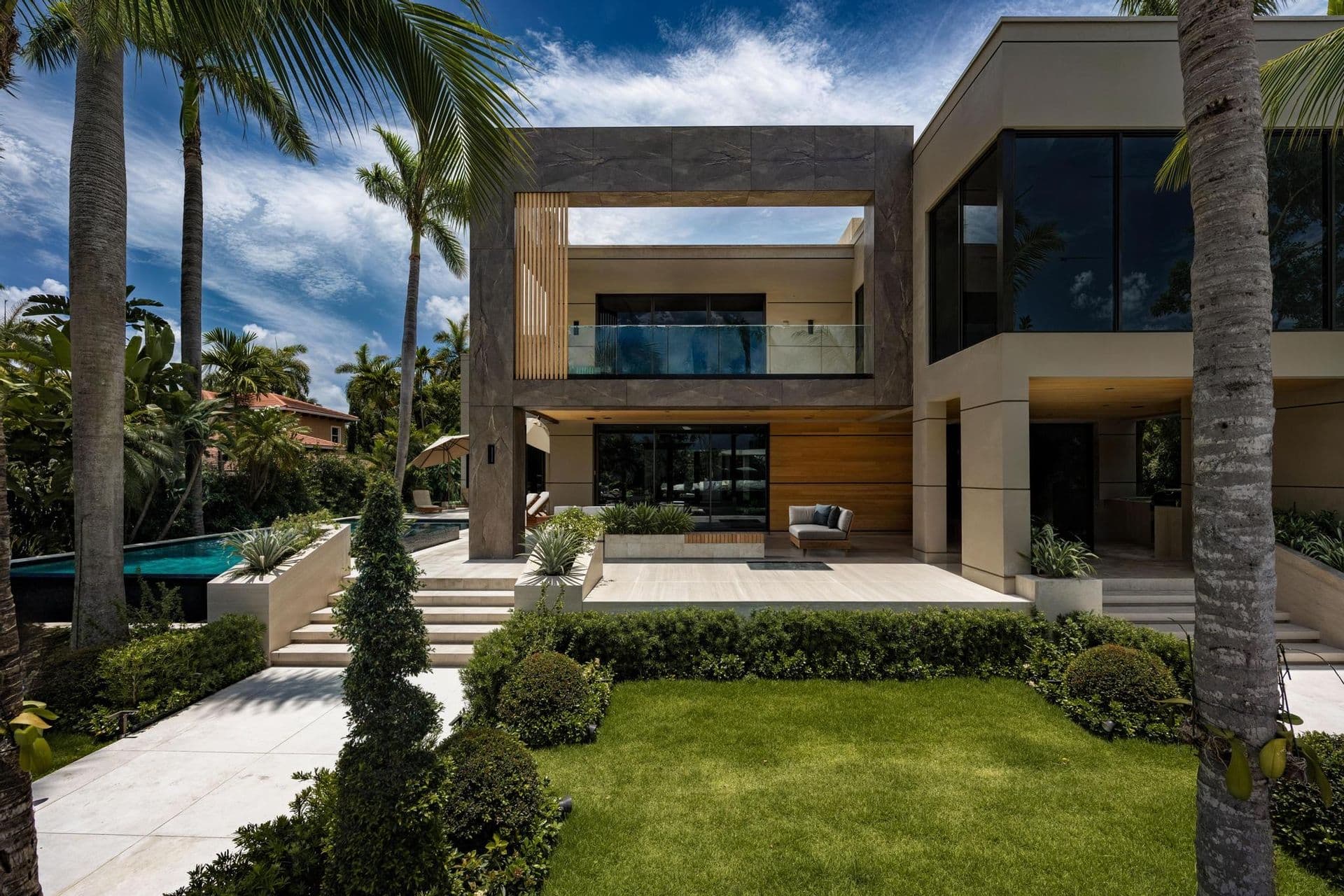
Understanding "Dark" in Hardwood Siding
A "dark facade" can encompass a range of shades, from deep browns and charcoal grays to near-blacks. Unlike painted surfaces, hardwood siding's natural grain and texture will always influence the final appearance, even under a dark stain. The wood's inherent color, porosity, and tannin content will determine how a dark finish is absorbed and how it will look over time.
Some hardwood species naturally possess darker tones, such as Jatoba (Brazilian Cherry) with its deep red hues, or Tigerwood with its dramatic figure. These woods can achieve a rich, dark appearance with less pigment, allowing their natural character to show through. Other lighter woods, like thermally modified Ayous or Ash, can be stained to dark colors, offering a more uniform, contemporary look, but may require more opaque finishes to achieve the desired depth.
Hardwood Species and Their Suitability for Dark Finishes
The choice of hardwood species is fundamental to achieving a successful dark facade. Different woods respond uniquely to dark stains and environmental exposure:
Brazilian Hardwoods: Species like Ipe, Cumaru, Garapa, Angelim, Jatoba, and Tigerwood are known for their density and natural durability. Jatoba, with its deep red tones, can be enhanced with dark stains to achieve a very rich, almost black-cherry appearance. Tigerwood's distinctive stripes can be muted or highlighted depending on the finish opacity. These woods are generally robust but may require specific types of penetrating oil-based stains to ensure proper absorption and long-term adhesion.
Thermally Modified Wood: Thermally modified Ash, Ayous, or Radiata Pine offer enhanced stability and a more uniform, often darker, base color due to the modification process. This makes them excellent candidates for dark stains, as they tend to absorb finishes more evenly. The clean grain of thermally modified Ash, for example, can result in a sleek, contemporary dark facade. Maximo Thermally Modified Pine is another option that can be stained to achieve deep, consistent colors.
Acetylated Wood: Maximo Accoya is an acetylated wood product known for its exceptional stability and durability. While it has a lighter natural color, its modified cell structure allows for excellent finish retention. This makes it a strong contender for dark facades, as it can hold dark stains effectively and resist weathering, potentially reducing maintenance frequency compared to some other options.
Norx Composite Cladding: While not hardwood, Norx composite cladding offers pre-finished dark options like "London Black" or "Navona Black." These provide a consistent, maintenance-friendly dark facade without the need for staining, offering an alternative for those prioritizing uniformity and reduced upkeep. This material is designed to offer a consistent look and may be suitable where a completely uniform dark aesthetic is desired from the outset.
The Impact of Sun Exposure on Dark Facades
Dark colors absorb more solar radiation than lighter colors. On a facade, this means higher surface temperatures, which can affect the wood and its finish over time. Increased heat can accelerate the fading of stains and finishes, potentially leading to a lighter appearance or uneven weathering.
For south-facing or intensely sun-exposed elevations, selecting a highly stable wood species and a high-quality, UV-resistant dark finish is crucial. Regular maintenance, including reapplication of finishes, may be needed to preserve the dark aesthetic. Consider how the facade will be viewed at different times of day and seasons; the interplay of light and shadow on a dark surface can be dynamic and dramatic.
Choosing the Right Dark Finish: Stains vs. Paints
When aiming for a dark facade with hardwood siding, the type of finish makes a significant difference. Stains penetrate the wood, allowing the natural grain to show through, while paints form an opaque layer on the surface.
Dark Stains: These are ideal for highlighting the natural beauty and texture of hardwood. They offer a more organic, nuanced dark look. Oil-based penetrating stains are often recommended for hardwoods, as they nourish the wood and provide protection. Look for stains with strong UV inhibitors to combat fading, especially for darker pigments. The wood's initial color will influence the final stain color; always test a sample.
Opaque Finishes/Paints: For a solid, uniform dark color that completely covers the wood grain, an opaque paint or solid stain can be used. While this provides a consistent dark facade, it sacrifices the natural wood aesthetic. Ensure the product is specifically formulated for exterior wood siding and offers flexibility to accommodate wood movement.
Pre-finished Siding: Some manufacturers offer pre-finished hardwood siding in dark tones. This can ensure a consistent factory-applied finish, which often provides better durability and uniformity than field-applied finishes. Check the specific product documentation for finish type and recommended maintenance.
Worked Example: Designing a Dark Facade for a Contemporary Home
Consider a hypothetical single-story contemporary home with a main facade measuring 30 feet wide by 10 feet high, featuring a prominent dark hardwood siding accent. The homeowner desires a deep charcoal gray finish with visible wood grain, suitable for a moderate climate with good sun exposure.
1. Material Selection: After reviewing options, the homeowner selects thermally modified Ash siding (e.g., a 1x6 nominal profile, actual coverage 5.125 inches per board) for its stability and clean grain, which will take a dark stain evenly. Maximo Accoya is considered as a premium alternative for its finish retention.
2. Finish Choice: A high-quality, semi-transparent, oil-based exterior stain in a charcoal gray hue is chosen. This allows the subtle grain of the thermally modified Ash to remain visible while achieving the desired dark color. A sample board is stained and observed under various lighting conditions.
3. Takeoff Calculation (Thermally Modified Ash 1x6 Siding):
Facade Area: 30 feet x 10 feet = 300 square feet.
Coverage per linear foot of 1x6 (5.125" actual width): 5.125 inches / 12 inches/foot = 0.427 feet.
Linear feet required: 300 sq ft / 0.427 ft = 702.58 linear feet.
Assuming siding is available in 10-foot lengths, approximately 71 boards (702.58 / 10 = 70.258, rounded up) would be needed for basic coverage. An additional 10-15% should be added for cuts, waste, and future repairs, bringing the total to around 78-81 boards. This would be approximately 780-810 linear feet.
4. Installation Considerations: A rainscreen system is planned to allow for ventilation behind the dark siding, mitigating potential heat buildup and promoting moisture management. Stainless steel fasteners are specified to prevent staining on the dark finish.
5. Maintenance Planning: The homeowner understands that a dark stain on a sun-exposed facade will require periodic cleaning and reapplication, likely every 3-5 years, depending on the product and exposure, to maintain its deep color and protective qualities.
Before you order
- What is the desired shade of "dark" (e.g., deep brown, charcoal gray, near-black)?
- Which hardwood species best suits the aesthetic and performance requirements (e.g., Brazilian hardwood, thermally modified, acetylated)?
- What is the level of sun exposure on the facade, and how will it impact finish longevity?
- Should a stain (transparent/semi-transparent) or an opaque finish be used to achieve the desired look?
- Have finish samples been tested on the chosen wood species and observed in situ?
- Is a rainscreen system planned to manage heat and moisture behind the siding?
- What is the estimated maintenance schedule for the chosen dark finish?
- Have appropriate fasteners been specified to prevent staining on the dark surface?
Confirm installation details, approved uses and warranty terms in the current instructions for the exact product and profile. Your installer should verify the substrate, structure and applicable project requirements.
Questions to help you decide
Will a dark hardwood facade fade faster than a lighter one?
Dark colors absorb more UV radiation, which can accelerate the fading of finishes. However, using high-quality, UV-resistant stains specifically designed for exterior use, combined with regular maintenance, can help mitigate this. Some woods, like Maximo Accoya, are known for their excellent finish retention.
Do dark facades make a building hotter?
Yes, dark exterior surfaces absorb more solar energy than lighter ones, potentially leading to higher surface temperatures. This can transfer some heat to the building interior. Implementing a rainscreen system with adequate ventilation behind the siding can help manage this heat buildup and improve overall wall performance.
What maintenance is required for a dark hardwood facade?
Maintenance typically involves periodic cleaning to remove dirt and mildew, and reapplication of the chosen finish (stain or paint) as needed. The frequency depends on the type of finish, the wood species, and environmental exposure. For dark stains, reapplication every 3-5 years might be necessary to maintain color depth and protection.
Request a Material Quote for Your Dark Facade Project
Ready to bring your dark facade vision to life? Provide your project dimensions, desired hardwood profile, and ZIP code to request a material quote. We can help you confirm current availability and service options for the specific hardwood siding and finishes you're considering.
Request a material quote →