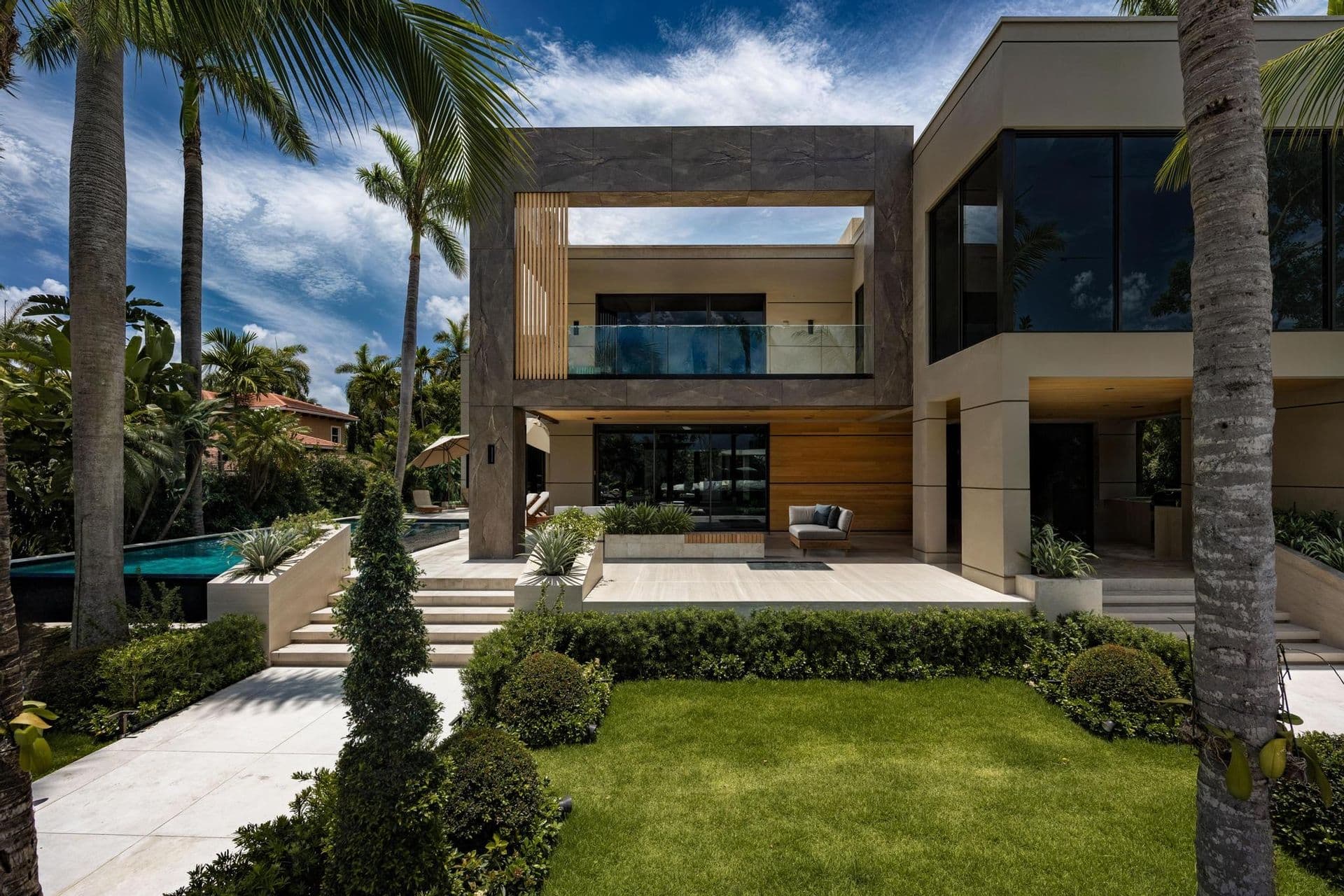
Understanding Coastal Exposure for Hardwood Siding
Coastal environments are characterized by several key factors that impact building materials. Salt spray can accelerate corrosion of metal fasteners and cause efflorescence on some surfaces. High humidity levels can lead to increased moisture content in wood, potentially contributing to dimensional instability if not properly managed. Strong winds can exert significant pressure on siding panels and may carry abrasive sand or debris.
UV radiation is often more intense in coastal areas due to reflection off water and lack of atmospheric pollutants. This can cause faster weathering and color changes in exposed wood. When evaluating hardwood siding, consider the specific microclimate of your site: is it directly on the beachfront, or set back with some protection? The degree of exposure will influence material selection and detailing.
Hardwood Siding Options for Coastal Climates
Certain hardwood species and modified wood products are better suited for coastal applications due to their inherent properties or enhanced stability. Brazilian hardwoods such as Ipe, Cumaru, Garapa, Angelim, Jatoba, and Tigerwood are known for their density and natural resistance to decay and insects. These characteristics can be beneficial in humid, coastal settings.
Thermally modified wood, including Scandinavian thermally modified wood and thermally modified Ayous, offers enhanced dimensional stability and reduced water absorption, which can mitigate some of the challenges posed by moisture cycling in coastal environments. Maximo Accoya, an acetylated wood product, is another option known for its stability and durability in demanding conditions.
Regular maintenance, including cleaning and reapplication of finishes, is typically necessary to preserve appearance and performance over time, especially in high-exposure areas. For specific product details, refer to our general Siding & Cladding page.
For a broader overview of options, consider exploring our selection of Thermally Modified Wood and Maximo Accoya, which are often specified for projects requiring enhanced durability.
Profile Selection and Installation Considerations
The profile of the siding can influence its performance in coastal conditions. Tight-fitting profiles, such as tongue-and-groove or shiplap, can offer better protection against wind-driven rain compared to open-joint systems, though proper drainage behind any siding system is crucial. Regardless of the profile, a rainscreen assembly is generally recommended for coastal elevations to allow for ventilation and drainage behind the siding.
Installation practices must account for potential expansion and contraction of wood due to moisture changes. Proper gapping between boards and adherence to manufacturer-specified fastening schedules are essential. Pay close attention to detailing around windows, doors, and corners to prevent water intrusion, which can be exacerbated by wind-driven rain in coastal areas. All field cuts should be sealed with an appropriate end-grain sealer.
Fasteners and Hardware for Coastal Environments
Standard galvanized fasteners may corrode rapidly in salt-laden air, leading to unsightly stains, structural failure, or even siding detachment.
The grade of stainless steel matters; 316 stainless steel offers enhanced resistance to salt water corrosion compared to 304 stainless steel and is often preferred for direct coastal exposure. Ensure that all clips, screws, nails, and any other metal components used in the siding assembly are made from a corrosion-resistant material appropriate for marine environments. This also applies to any flashing, trim, or accessory hardware.
When planning your project, remember to specify corrosion-resistant fasteners explicitly. This helps avoid premature failure and maintains the aesthetic integrity of your siding over time.
Long-Term Maintenance and Appearance
Hardwood siding on coastal elevations will require consistent maintenance to retain its appearance and performance. Regular cleaning is important to remove salt residue, dirt, and mildew, which can accumulate more quickly in humid, exposed conditions. A soft brush and mild detergent solution are typically sufficient.
Finishes, whether clear sealers or pigmented stains, will weather more rapidly in coastal environments due to intense UV exposure and salt spray. Expect to refinish more frequently than in less exposed locations. If a natural, weathered gray appearance is desired, ensure the wood species is suitable for this aesthetic and understand that the rate of graying may vary. Even with a weathered look, periodic cleaning is still advisable.
Inspect your siding annually for any signs of damage, loose fasteners, or areas where water might be penetrating. Addressing these issues promptly can prevent more significant problems down the line. Proper maintenance is key to maximizing the lifespan and appeal of your hardwood siding in a coastal setting.
Hypothetical Project Example: Coastal Cottage Facade
Consider a hypothetical coastal cottage measuring 30 feet wide by 15 feet high on its primary elevation, directly facing the ocean. The design calls for horizontal hardwood siding with a rainscreen assembly. Given the direct exposure to salt spray and strong winds, the project team chooses 1x6 (nominal) Ipe siding boards, known for their density and natural durability. The actual face width of a 1x6 shiplap profile is typically around 5 inches.
All window and door flashings are specified as marine-grade aluminum.
To estimate the siding quantity for the 30 ft x 15 ft = 450 square feet wall: Each 1x6 board, with a 5-inch face width (0.4167 feet), covers 0.4167 square feet per linear foot. To cover 450 square feet, approximately 1080 linear feet of Ipe siding would be needed (450 sq ft / 0.4167 ft face width). Accounting for a typical 10-15% waste factor for cuts and defects, the project would require around 1190-1240 linear feet of Ipe siding. This example highlights the importance of precise material selection and detailing for challenging coastal conditions.
Before you order
- Assess specific coastal exposure: direct beachfront, sheltered, high wind, salt spray?
- Select hardwood species or modified wood suitable for high humidity and UV (e.g., Ipe, Cumaru, Thermally Modified Ash, Maximo Accoya).
- Choose a siding profile that offers good weather protection and allows for drainage.
- Plan for a rainscreen assembly to ensure ventilation and moisture management.
- Detail around all openings (windows, doors) with marine-grade flashing.
- Include end-grain sealer for all field cuts.
- Establish a realistic maintenance schedule for cleaning and refinishing.
- Confirm local building codes and wind load requirements.
Confirm installation details, approved uses and warranty terms in the current instructions for the exact product and profile. Your installer should verify the substrate, structure and applicable project requirements.
Questions to help you decide
Can any hardwood siding be used in a coastal environment?
While many hardwoods can be used, certain species and modified wood products are better suited due to their natural density, decay resistance, or enhanced stability. Brazilian hardwoods like Ipe or Cumaru, and modified woods such as thermally modified species or Maximo Accoya, are often preferred for their performance in demanding coastal conditions. It's crucial to match the material to the specific exposure level and to follow robust installation and maintenance practices.
What is the most important factor for coastal hardwood siding installation?
The most critical factor for coastal hardwood siding installation is the use of appropriate, corrosion-resistant fasteners and hardware. Salt-laden air can rapidly degrade standard metal fasteners, leading to structural issues and aesthetic damage.
How often will I need to maintain hardwood siding on a coastal elevation?
Maintenance frequency for hardwood siding on a coastal elevation is typically higher than in less exposed environments. Expect to clean the siding regularly to remove salt residue, dirt, and mildew. If you apply a finish, it will likely require reapplication more frequently due to intense UV exposure and salt spray. Annual inspections are also recommended to catch and address any issues early.
Plan Your Coastal Hardwood Siding Project
Ready to select hardwood siding for your coastal elevation? Request a material quote with your project dimensions, desired profile, and ZIP code. We can help confirm current availability and service options for the specific products that meet your project's needs.
Request a material quote →