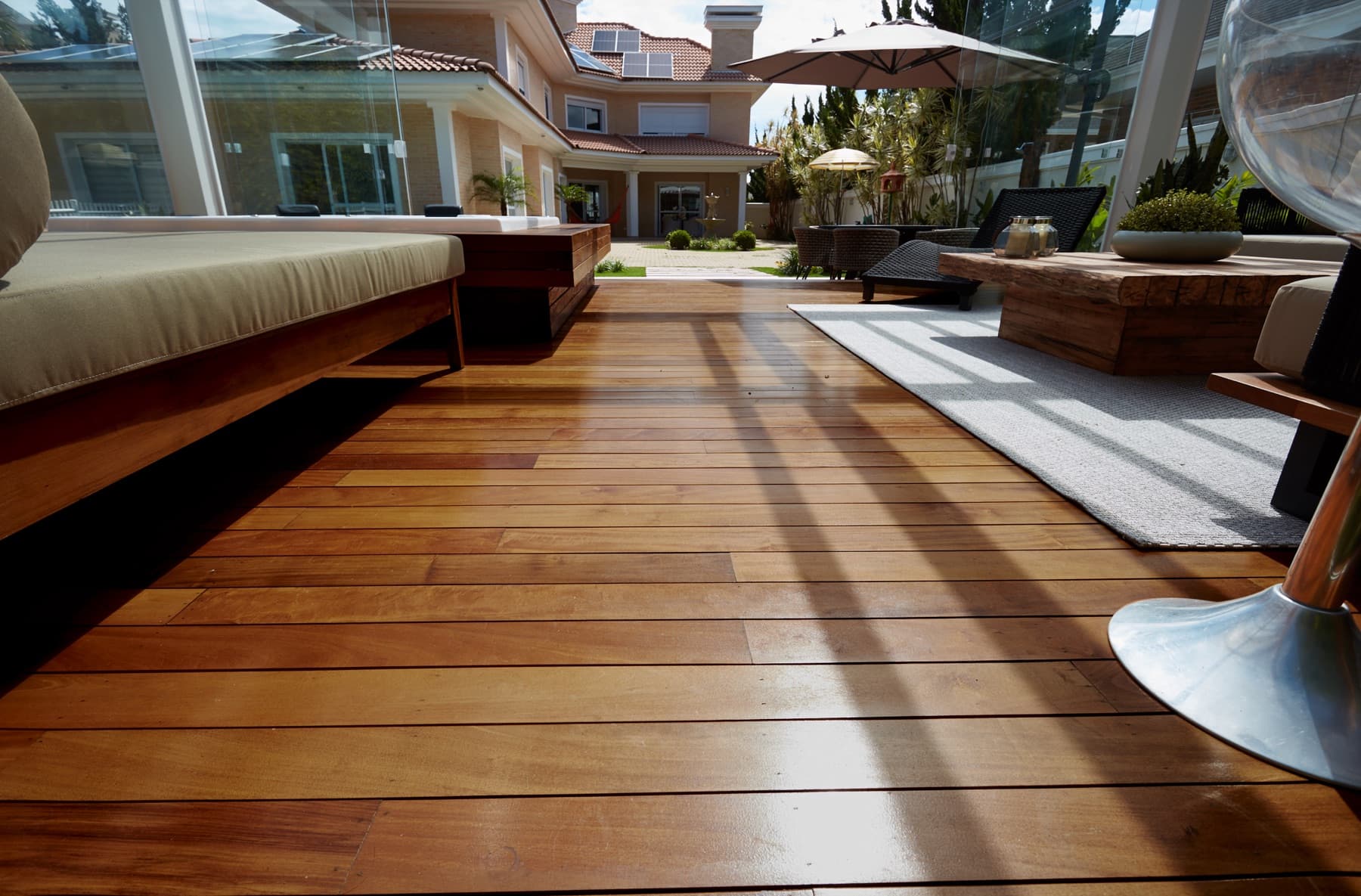
Evaluating Your Existing Deck Frame
Before any material purchase, inspect your existing deck's substructure. Check for signs of rot, insect damage, or structural fatigue in joists, beams, and support posts. Coastal environments, like Ocean City, MD, can accelerate wear due to salt air and humidity. Ensure all fasteners are secure and that the frame is level and plumb. Any compromised components must be repaired or replaced to provide a stable foundation for new hardwood decking.
Verify that your existing joist spacing is compatible with your chosen hardwood decking. Hardwood boards typically require specific support intervals, and wider spacing than recommended could lead to sagging or premature wear. Consult product specifications for minimum support requirements. If existing joist spacing is too wide, additional blocking or joists may be necessary to ensure proper support and structural integrity.
Coastal Suitability: Hardwood in Ocean City, MD
Ocean City's coastal climate presents unique challenges for outdoor materials, including exposure to salt spray, high humidity, and strong winds. Not all decking materials perform equally under these conditions. Hardwoods like Ipe and Cumaru are recognized for their natural density and resistance to environmental stressors common in marine environments.
These species are often specified for docks, boardwalks, and seawall caps in coastal areas due to their inherent ability to withstand salt air and spray. Their natural oils and dense cell structure contribute to resistance against rot, insects, and fungal decay, making them a suitable choice for a deck renovation project in Ocean City, MD, where longevity in challenging conditions is paramount.
Hardwood Decking Options: Ipe and Cumaru
When considering hardwood decking for your Ocean City renovation, two prominent options are Ipe and Cumaru, both known for their durability and distinct appearances.
Its color ranges from reddish-brown to olive-brown. Ipe is highly resistant to weather changes, mold, and termites. It offers minimal movement post-installation, which is beneficial for maintaining a stable deck surface over time. With proper care, Ipe decking can provide decades of service. It is often considered a benchmark for high-performance decking. You can explore more about Ipe here: "/decking/hardwood/ipe".
It exhibits a range of reddish-brown to golden-brown tones. Cumaru is resistant to termites and weather changes, making it a robust choice for outdoor applications. It shares many performance characteristics with Ipe, offering stiffness, strength, and hardness. Cumaru is a strong contender for projects where a balance of performance and budget is desired. You can explore more about Cumaru and other hardwoods here: "/decking/hardwood".
Planning for Deck Board Dimensions and Layout
Careful measurement and planning are crucial for a renovation. First, measure the exact dimensions of your deck surface. Consider how new boards will integrate with any existing borders, railings, or stairs. Hardwood decking is available in various profiles and lengths, typically ranging from 3 to 24 feet. Choosing appropriate lengths can minimize waste and reduce the number of seams.
For example, if your deck is 12 feet by 10 feet, and you plan to use 12-foot boards, you would need 10 linear feet of boards for each 12-foot run. If boards are 5.5 inches wide, you would need approximately 22 boards (120 inches / 5.5 inches) for the 12-foot length. Always add a percentage for cuts and potential waste, typically 10-15%. Confirm current availability of specific profiles and lengths before finalizing your layout.
Consider the visual impact of board width and layout. A consistent board width can create a uniform look, while varying widths might add visual interest. Discuss potential patterns like diagonal layouts or picture-frame borders with your installer, as these may require more material and specific cutting techniques. The "/decking" page offers a broader view of decking options.
Installation Considerations for Hardwood Decking
Due to the density of hardwoods like Ipe and Cumaru, specialized tools and techniques are often recommended for installation. Pre-drilling screw holes is typically necessary to prevent splitting, and high-quality fasteners are essential for long-term stability. While possible for experienced DIYers, professional installation is often recommended to ensure correct techniques are applied, particularly for intricate layouts or larger projects.
Proper ventilation beneath the deck is critical, especially in humid coastal environments. Ensure there is adequate airflow to prevent moisture buildup, which can contribute to mold or mildew. Follow manufacturer guidelines for board spacing to allow for natural expansion and contraction of the wood and to facilitate drainage. The "/decking/composite" and "/decking/pvc" pages provide alternative material perspectives on installation requirements, which might differ significantly from hardwood.
Before you order
- Inspect existing deck frame for structural integrity, rot, and insect damage.
- Verify existing joist spacing is compatible with chosen hardwood decking (e.g., Ipe, Cumaru).
- Measure deck dimensions accurately, accounting for any irregularities.
- Consider the coastal exposure in Ocean City, MD, and select a hardwood species known for durability in marine environments.
- Choose hardwood board profiles and lengths to minimize waste and optimize layout.
- Plan for proper ventilation beneath the deck to prevent moisture buildup.
- Determine if professional installation is required due to hardwood density and specialized tools.
- Factor in a waste percentage (10-15%) when calculating material quantities.
Confirm installation details, approved uses and warranty terms in the current instructions for the exact product and profile. Your installer should verify the substrate, structure and applicable project requirements.
This is a planning guide for projects in Ocean City, MD. Ask our team to confirm availability, delivery to your ZIP code and which branch can support your order.
Questions to help you decide
How do I know if my existing deck frame is strong enough for hardwood decking?
You should have a qualified contractor or structural engineer inspect your existing deck frame. They can assess the condition of joists, beams, and posts for rot, insect damage, and overall structural integrity, ensuring it can safely support the denser hardwood decking and meet local building codes for Ocean City, MD.
Does hardwood decking require special maintenance in a coastal environment like Ocean City, MD?
Hardwood decking like Ipe and Cumaru is naturally resistant to many coastal challenges. Annual cleaning with soap and water is generally sufficient. If you wish to maintain the original color, apply a UV-blocking sealer annually. Without sealing, the wood will naturally weather to a silvery-gray patina, which does not affect its structural performance.
Can I mix different hardwood species on my renovated deck?
While technically possible, mixing different hardwood species is generally not recommended for the main decking surface due to variations in color, grain pattern, and weathering characteristics. This can lead to an inconsistent appearance over time. If you desire contrast, consider using a different species for borders or accents, ensuring compatibility in terms of density and movement.
Request a Material Quote for Your Ocean City Deck Renovation
Ready to revitalize your Ocean City, MD deck with hardwood decking? Provide your project dimensions, desired hardwood profile, and ZIP code to request a material quote. Our team can help confirm current availability and service options for your renovation project. Visit our "/contact-us" page to get started.
Request a material quote →