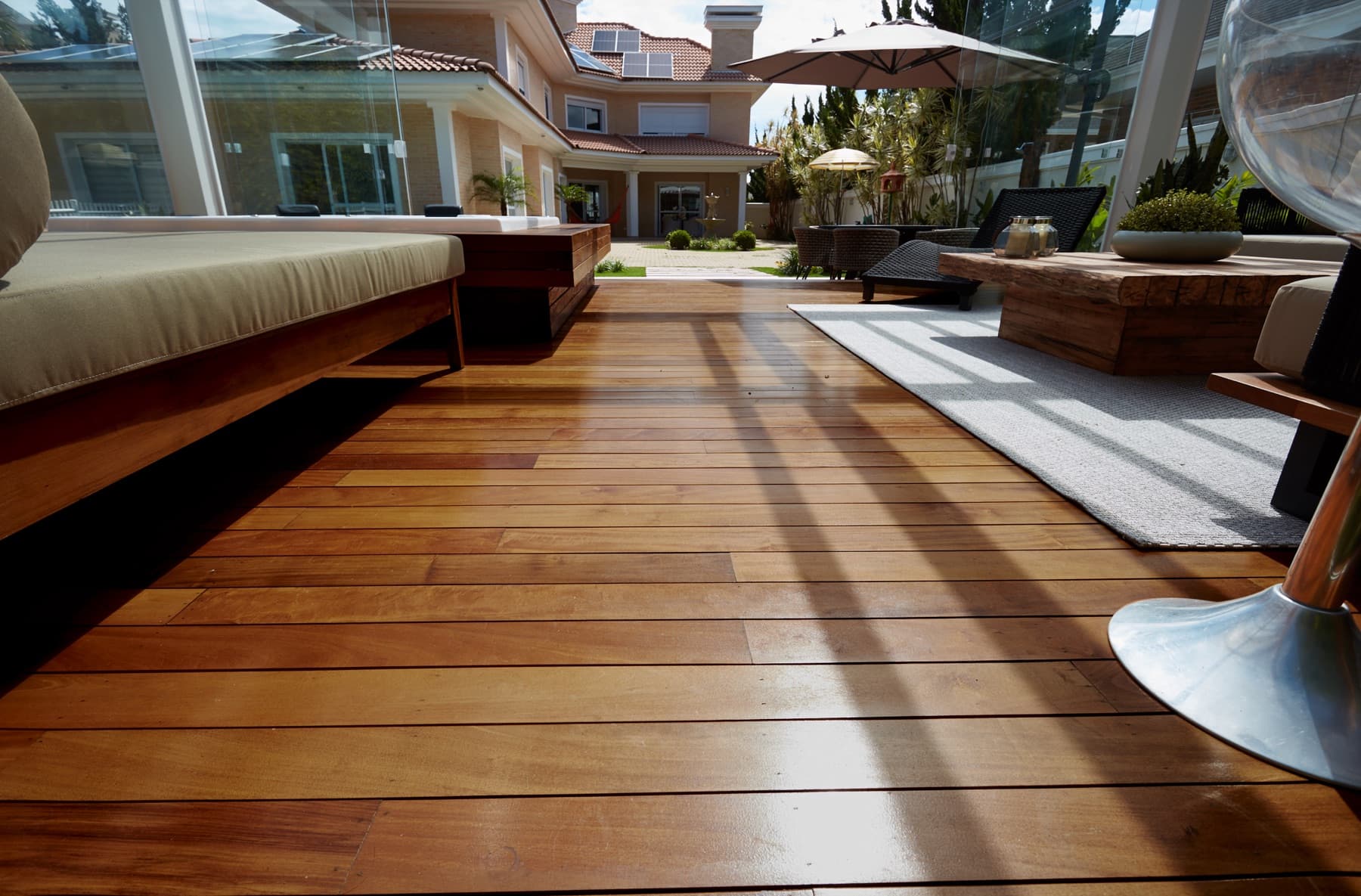
Assessing Your Existing Deck Frame for Hardwood
Before selecting your hardwood decking, a thorough inspection of your existing deck frame is crucial. Hardwood species are significantly denser and heavier than common softwood decking materials, which means the underlying structure must be robust enough to handle the increased load. This assessment should ideally be performed by a qualified contractor or structural engineer.
Key areas to inspect include the condition of joists, beams, and support posts. Look for any signs of rot, insect damage, or excessive deflection. Verify that the spacing of your joists meets the requirements for hardwood decking, as wider spacing might necessitate additional framing or a different decking profile. The condition of fasteners and connections is also vital. In Montpelier's climate, understanding how your existing frame has weathered seasonal changes will inform decisions about its continued suitability.
Choosing the Right Hardwood Species for Montpelier's Climate
Lumber Plus offers a range of Brazilian hardwoods suitable for decking, each with distinct characteristics. For Montpelier's varied weather, including cold winters and humid summers, selecting a species known for stability and resistance to environmental factors is important.
It can last for decades with proper care. Its reddish-brown to olive-brown tones provide a classic, rich appearance. It shares Ipe's resistance to termites and weather changes, and can silver to a driftwood grey if left untreated. These species are known to resist warping after moisture exposure, a benefit in areas with freeze-thaw cycles.
Other options like Garapa or Tigerwood also offer distinct aesthetics and durability. Garapa is a value pick with a golden tone, while Tigerwood offers dramatic figure. Your choice will depend on the desired aesthetic, budget, and specific performance requirements for your Montpelier deck.
Consider the appearance of each species, whether you prefer the deep, rich tones maintained with oiling, or a natural silvery-gray patina that develops if left untreated. Structurally, both options are sound.
Planning for Ventilation and Drainage
Proper ventilation and drainage are critical for the longevity of any deck, especially when renovating with dense hardwoods. Hardwood decking, while resistant to moisture, still benefits from good airflow to prevent moisture accumulation beneath the boards, which can lead to issues for the underlying frame. Ensure that your deck design allows for adequate air circulation between and under the boards.
Consider the existing grade and drainage patterns around your deck. If water tends to pool near or under the structure, addressing these issues before installing new decking is essential. This might involve grading the soil away from the foundation or installing perimeter drainage solutions. For existing structures, verify that there's sufficient clearance between the ground and the bottom of the joists to allow for airflow.
Decking Profile and Fastening Considerations
Hardwood decking is available in various profiles and lengths. Common profiles range from 1"x2" to 6"x6" dimensions, with lengths typically from 3 to 24 feet. When renovating, consider if your desired board width and length will work with your existing joist spacing and layout. If your existing joist spacing is wider than recommended for your chosen hardwood profile, you may need to add blocking or additional joists.
For fastening, hardwoods can be face-fastened or installed with hidden fasteners. Due to their density, hardwoods require specialized tools and techniques for installation. Pre-drilling is often necessary to prevent splitting, especially with face-fastening. Hidden fastening systems offer a clean, unblemished surface but require specific board profiles and careful installation to ensure secure attachment and proper spacing. Consult the manufacturer's specific installation guidelines for your chosen product and fastening system.
Hypothetical Renovation Example: A Montpelier Deck Upgrade
Imagine a 12-foot by 16-foot existing deck in Montpelier, currently surfaced with softwood. The homeowner wants to upgrade to Ipe hardwood decking. The homeowner decides on 1x6 Ipe boards.
The total deck surface area is 192 square feet. To cover the 16-foot length, you would need 16-foot long boards. Therefore, approximately 28 boards of 1x6 Ipe at 16 feet long would be required. This calculation assumes minimal waste and straight cuts, but always add a waste factor (typically 10-15%) for cuts, errors, and future repairs. For this example, ordering 31-32 boards would be a prudent approach.
The renovation also includes replacing the fascia. If the existing fascia is 1x8, matching it with 1x8 Ipe fascia boards would provide a cohesive look. Careful measurement and a detailed cut plan are essential to minimize material waste and ensure a professional finish. It's recommended to confirm exact available lengths and profiles from your supplier before finalizing your order.
Before you order
- Have I had my existing deck frame inspected by a professional for structural integrity?
- Does my existing joist spacing accommodate the chosen hardwood decking profile?
- Have I considered the weight of hardwood decking and its impact on the existing structure?
- Which hardwood species best suits my aesthetic preference and Montpelier's climate?
- Will I maintain the hardwood's original color or allow it to weather to a silvery-gray?
- Have I planned for adequate ventilation and drainage around and under the deck?
- What fastening system (face-fastened or hidden) is suitable for my chosen hardwood and installation skill level?
- Have I accounted for a waste factor in my material calculations (e.g., 10-15%)?
- Do I need new fascia boards or other trim to complete the renovation?
- Have I confirmed the current availability of desired profiles and lengths with Lumber Plus?
Confirm installation details, approved uses and warranty terms in the current instructions for the exact product and profile. Your installer should verify the substrate, structure and applicable project requirements.
This is a planning guide for projects in Montpelier, VT. Ask our team to confirm availability, delivery to your ZIP code and which branch can support your order.
Questions to help you decide
Can I install hardwood decking over an old frame?
You can, but it's crucial to have the existing frame thoroughly inspected by a professional. Hardwood decking is denser and heavier than most softwood options, so the frame must be structurally sound and capable of supporting the increased load. Joist spacing and condition are key factors.
How much maintenance does hardwood decking require in Montpelier, VT?
Hardwood decking, such as Ipe or Cumaru, is relatively low maintenance. A wash once a year is typically sufficient. If you wish to preserve its original rich brown color, an annual application of a UV-blocking oil is recommended. If left untreated, the wood will naturally weather to a beautiful silvery-gray patina with no structural difference.
Does Montpelier's winter weather affect hardwood decking?
Hardwoods like Ipe and Cumaru are naturally resistant to weather changes, including moisture exposure, and their natural oils help protect them from cracking or warping. They are known for their stability in varied climates. Proper installation with adequate ventilation and drainage will further enhance their performance through Montpelier's winters and freeze-thaw cycles.
Ready to Renovate Your Montpelier Deck?
For your Montpelier, VT hardwood decking renovation, request a material quote with your project dimensions, exact profile preferences, and ZIP code. We can confirm current availability and service options to help bring your vision to life. Visit our website to get started.
Request a material quote →