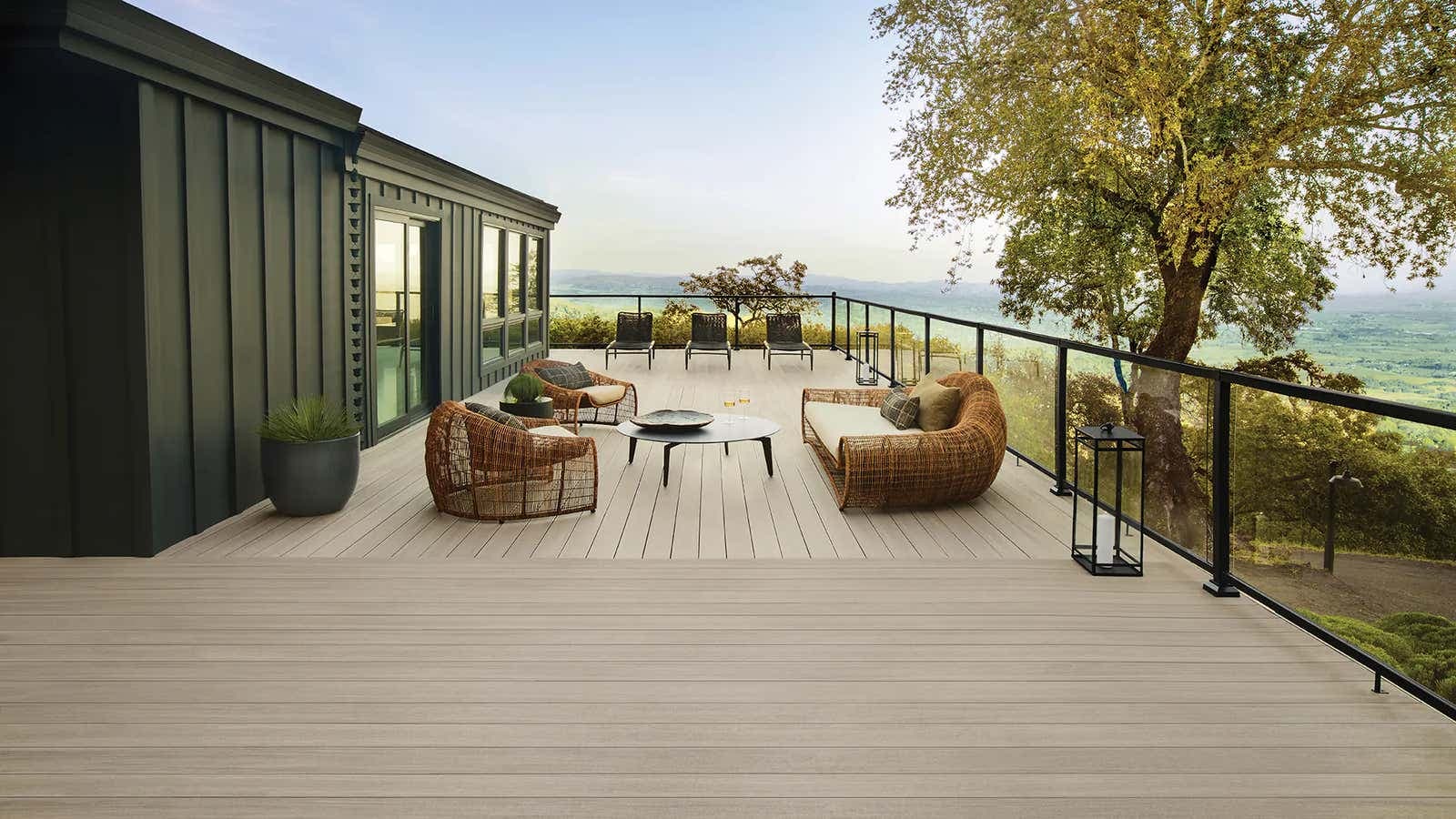
Understanding the Unique Challenges of Compact Spaces
Compact outdoor spaces present unique planning challenges. Limited area means that every design decision has a magnified impact on usability and visual appeal. Considerations such as the proximity to property lines, existing structures, and pedestrian flow become critical. In Montpelier, factors like snow accumulation and seasonal freeze-thaw cycles also influence material choice and installation methods, even in small areas.
Access for material delivery and construction can be restricted, especially in established neighborhoods or properties with dense landscaping. This impacts the logistics of bringing in long decking boards and construction equipment. Furthermore, the visual scale of the decking material itself, including board width and color, can either enhance or overwhelm a small area.
Maximizing Usable Space with Composite Decking
For small decks, maximizing usable space often means choosing materials and layouts that create an illusion of openness or serve multiple functions. Composite decking, available in various widths and lengths, can be selected to suit the scale of the project. Narrower board profiles might be preferred in very small areas to avoid making the space feel cramped, while consistent color across the deck can visually expand the area. Avoiding busy patterns or too many contrasting elements can also contribute to a sense of spaciousness.
Consider integrating built-in seating or planters directly into the deck design. This can save floor space compared to freestanding furniture and create a cohesive look. When planning, think about how the deck will connect to adjacent interior spaces, aiming for a seamless transition that extends the living area outdoors. For example, a deck that aligns perfectly with an indoor floor level can make a small outdoor area feel like a true extension of the home.
Composite Decking Profiles and Collections for Small Decks
Composite decking is available in a range of collections and profiles, each with distinct characteristics. Brands such as Trex, TimberTech, and Fiberon offer different board widths, thicknesses, and surface finishes. For compact spaces, selecting a profile that is proportionate to the deck's dimensions is important. Some collections offer solid profiles which can be beneficial for specific edge details or when working with shorter spans.
Many composite decking lines feature capped shells designed to resist moisture and provide consistent color. This consistency can be a significant advantage in small spaces where every detail is prominent. When choosing a collection, consider its aesthetic match with your home's exterior and the surrounding landscape. Lighter colors can reflect more light and make a small space feel brighter and larger, while darker tones can create a cozier, more intimate atmosphere.
Structural Support and Substructure for Compact Decks
Even small decks require a robust and properly designed substructure. The support system for composite decking must meet manufacturer specifications for joist spacing and load-bearing capacity. In compact spaces, this might involve careful planning to ensure adequate ventilation beneath the deck, especially if it's close to the ground or enclosed on multiple sides. Proper ventilation helps prevent moisture buildup, which is crucial for the longevity of both the decking and the substructure.
For ground-level decks, a well-prepared gravel base and concrete footings are essential to prevent settling and ensure stability over Montpelier's changing seasons. If the deck is elevated, even slightly, ensure that all posts and beams are adequately sized and anchored. Always refer to the specific composite decking manufacturer's installation guidelines for joist spacing, as these can vary by product line and board thickness. Incorrect spacing can lead to deflection or damage over time.
Worked Example: A 10' x 8' Montpelier Patio Deck
Consider a hypothetical 10-foot by 8-foot ground-level deck intended for a small patio in Montpelier, VT, adjacent to a kitchen door. The goal is to create a small dining area. The deck will be laid perpendicular to the house.
Each board will be cut to 8 feet. Since the available boards are 12 feet long, each 12-foot board can yield one 8-foot piece, with a 4-foot offcut. This means we will purchase 22 boards of 12-foot length. The total area is 80 square feet. This example highlights how board length and cutting plans influence material purchase, even for a compact space.
This calculation is a simplified material estimate. A full plan would also include fascia boards, fasteners, and substructure materials (beams, posts, footings). Always create a detailed cut plan to minimize waste and ensure efficient use of materials.
Maintenance and Longevity in a Compact Setting
One of the key advantages of composite decking, particularly for compact spaces, is its low maintenance. Unlike natural wood, composite decking typically does not require sanding, staining, or sealing. A simple soap-and-water wash is usually sufficient for cleaning. This is especially beneficial in smaller areas where access for extensive maintenance tasks might be difficult.
Composite decking is designed for durability and resistance to common issues like rot, insects, and splintering. Many brands offer fade and stain warranties, providing peace of mind. Regular cleaning will help maintain its appearance and ensure it remains an attractive feature of your compact outdoor living area for many years, even with exposure to Montpelier's weather conditions.
Before you order
- Assess the precise dimensions and shape of your compact outdoor space.
- Consider the primary use of the deck (dining, relaxation, entry point).
- Evaluate access limitations for material delivery and construction.
- Choose a composite decking collection and color that complements your home and visually enhances the space.
- Verify manufacturer-specific joist spacing requirements for your chosen composite decking profile.
- Plan for proper ventilation beneath the deck, especially for low-to-grade installations.
- Factor in fascia boards and trim for a finished look, and ensure they match or complement the main decking.
- Develop a detailed material list, including decking boards, fasteners, and substructure components.
- Confirm local building codes and permit requirements for deck construction in Montpelier, VT.
Confirm installation details, approved uses and warranty terms in the current instructions for the exact product and profile. Your installer should verify the substrate, structure and applicable project requirements.
This is a planning guide for projects in Montpelier, VT. Ask our team to confirm availability, delivery to your ZIP code and which branch can support your order.
Questions to help you decide
Can composite decking be installed directly on the ground in a compact space?
Composite decking should generally not be installed directly on the ground. It requires a proper substructure with adequate ventilation to prevent moisture accumulation, which can affect the performance and longevity of both the decking and the supporting framework. For ground-level applications, a low-profile substructure on a compacted gravel base with concrete footings is typically recommended.
What is the best board width for a small composite deck?
The 'best' board width depends on personal preference and the specific dimensions of your deck. Narrower boards (e.g., 4-inch or 5.5-inch nominal widths) can sometimes make a small space feel larger and more proportionate. Wider boards can create a bolder look but might visually overwhelm very compact areas. It's often helpful to visualize different widths in your specific space or view samples to make a decision.
How do I ensure proper drainage for a small composite deck?
Proper drainage for any deck, especially in compact spaces, involves several factors. Ensure the substructure is built with a slight slope away from the house (typically 1/4 inch per foot) to shed water. Maintain adequate spacing between decking boards as per manufacturer instructions to allow water to drain through. For low-to-grade decks, ensure the area beneath is graded away from the house and has good ventilation to prevent standing water.
Ready to Plan Your Compact Composite Deck in Montpelier?
Request a material quote today. Provide your project dimensions, desired composite decking profile, and project ZIP code to confirm current availability and service options for your Montpelier, VT project. We are here to help you select the right materials for your outdoor space.
Request a material quote →