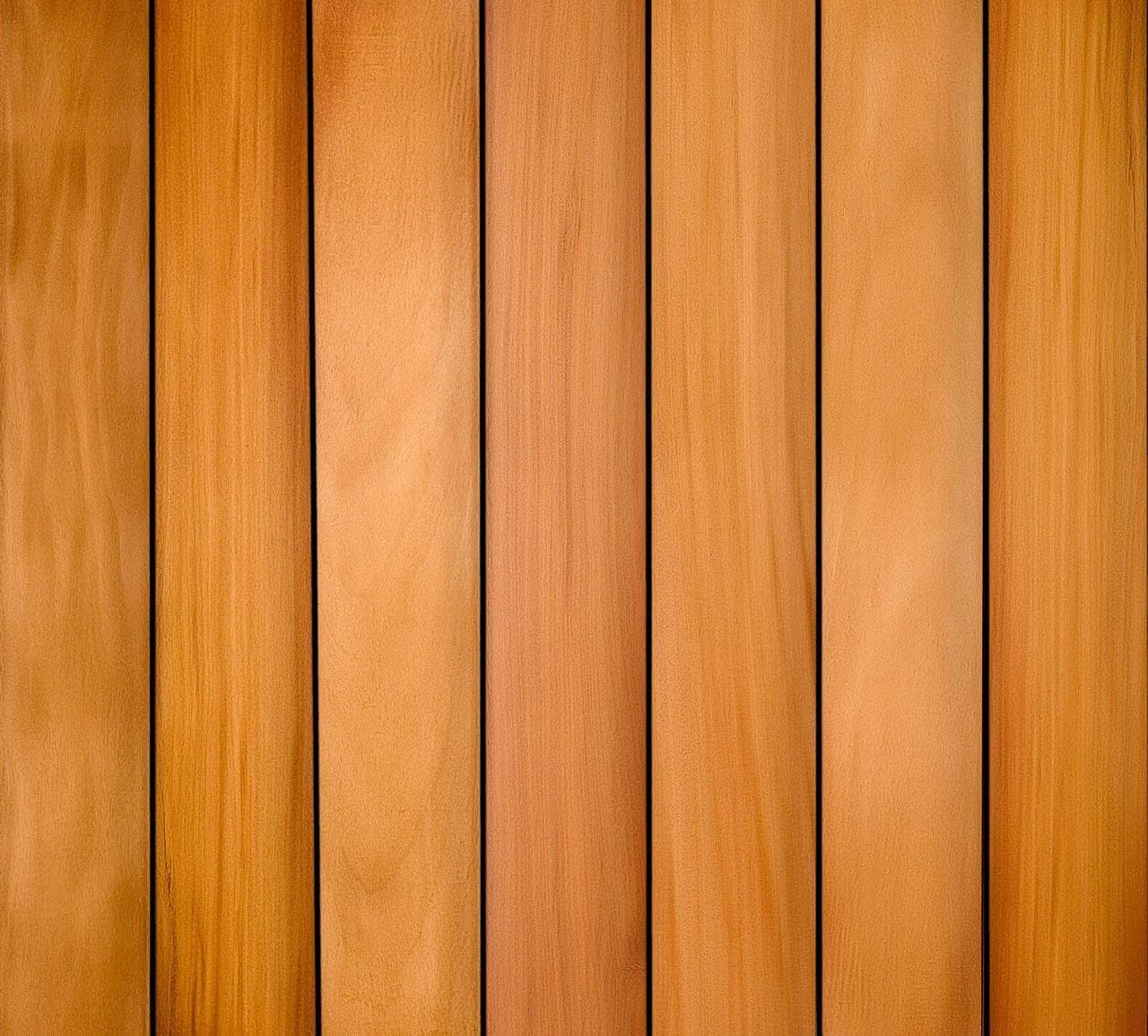
Understanding Garapa Decking Characteristics
Garapa is a tropical hardwood with an air dry density of 4.11 lbs/bf, contributing to its notable durability. It is naturally resistant to termites and weather changes, which can be beneficial in various climates. The wood's golden color is a distinctive feature, often sought after in modern architectural designs to brighten exterior spaces. Garapa is also described as scratch and slip resistant.
While Garapa is durable, it's important to understand its workability. Its density and interlocking grain necessitate sharp tools for cutting and shaping. It resists nailing and screwing, suggesting pre-drilling is often required for fasteners, but it glues easily for other applications. These characteristics influence installation methods and overall project planning.
For those considering the environmental impact, many suppliers, including Lumber Plus, are dedicated to environmentally responsible practices that aim to ensure the longevity of the forests from which this wood is harvested.
Terrace Design Considerations for Raleigh, NC
Designing a terrace in Raleigh involves specific considerations. Sun exposure, drainage, and integration with existing landscaping or structures are crucial. Garapa's natural resistance to weather changes and its durability make it suitable for outdoor exposure. The golden color can help brighten areas that may receive less direct sunlight or complement the natural greens of a garden.
Terrace design often focuses on creating distinct zones for different activities, such as dining, lounging, or gardening. The layout of Garapa boards can enhance these zones. For example, a consistent board direction can unify the space, while a change in direction or a picture-frame border can delineate separate areas.
Ventilation beneath the deck is critical for any wood decking, especially in humid environments. Proper spacing between boards and adequate airflow beneath the deck helps prevent moisture buildup, which can affect the wood over time. Consulting with an installer about local best practices for sub-deck ventilation is recommended.
Worked Example: A Multi-Zone Terrace with Garapa Decking
Consider a hypothetical terrace project for a Raleigh home, measuring 15 feet by 20 feet, intended to feature two primary zones: a dining area and a lounging area. The client desires a golden-toned deck that requires minimal chemical treatment. Garapa decking, available in 5/4"x6" (1" x 5.5" actual) profiles and lengths from 3 to 24 feet, is chosen.
The dining area, measuring 10 feet by 15 feet, will use Garapa boards laid parallel to the 15-foot dimension. The lounging area, 10 feet by 15 feet, will be adjacent, with boards laid perpendicular to the dining area to create visual separation. A 6-inch wide picture-frame border will surround the entire 15x20-foot terrace.
For the main decking, using 5/4"x6" (5.5" actual width) boards, we calculate coverage. For the 10x15 dining area, laying boards parallel to the 15-foot side means covering 10 feet of width. 10 feet = 120 inches. 120 inches / 5.5 inches per board = approximately 21.8 boards. We round up to 22 boards per 15-foot length. For the lounging area, covering 10 feet of width with boards laid perpendicular to the 15-foot side means 22 boards per 15-foot length again. This totals 44 boards of 15-foot length for the main areas. For the border, two 20-foot lengths and two 14-foot lengths (accounting for corner overlaps) would be needed, each requiring multiple 6-inch wide boards. It is important to account for cuts and waste, typically adding 10-15% to the total board footage.
This example illustrates how varying board directions can define spaces within a single terrace. The actual quantity of boards purchased would need to factor in the specific lengths available and a cutting plan to minimize waste, especially for the border and any shorter segments. For a precise quote, providing a detailed layout drawing with dimensions and preferred board lengths is recommended.
Choosing Board Profiles and Lengths
Garapa decking is available in a 5/4"x6" profile, which translates to an actual dimension of 1" x 5.5". This profile is common for decking applications. Some suppliers may offer a grooved option for hidden fastener systems, but this must be confirmed with the specific product. Board lengths typically range from 3 to 24 feet.
The choice of board lengths can impact both the appearance and the cost of your terrace. Longer boards can create a more seamless look with fewer butt joints, but they may also be more challenging to transport and handle. Shorter boards might result in more waste if not planned carefully, but offer flexibility for intricate designs or smaller sections. It is generally advisable to order a variety of lengths to optimize cuts and reduce waste.
Consider the layout of your terrace and where seams will fall. Staggering butt joints across the deck creates a stronger, more visually appealing surface than aligning them in a single line. This planning step is crucial for both aesthetics and structural integrity.
Finishing and Maintenance for Your Garapa Terrace
Garapa's natural golden color can be maintained with a UV-inhibiting finish, or it can be allowed to weather to a silver-gray patina over time. The decision on finishing impacts the aesthetic and the frequency of maintenance. If you opt to preserve the golden tone, periodic application of a suitable deck oil or sealer will be necessary.
Garapa is described as having natural resistance to rot, decay, and insects, meaning it doesn't require constant chemical treatments. However, regular cleaning to remove dirt, debris, and mildew is still important to maintain its appearance and ensure proper drainage. Use a mild cleaner and soft brush, avoiding harsh chemicals that could damage the wood.
Even with its scratch and slip resistance, routine inspection for any potential damage or loose fasteners is a good practice for safety and longevity. Addressing minor issues promptly can prevent them from becoming larger problems.
Before you order
- Confirm overall terrace dimensions and desired zones (dining, lounging, etc.).
- Decide on the primary board layout (straight, diagonal, picture-frame border).
- Choose between maintaining the golden color with a finish or allowing it to silver naturally.
- Verify the specific Garapa board profile (e.g., 5/4"x6" actual 1"x5.5") and available lengths.
- Plan for sub-deck ventilation and drainage appropriate for Raleigh's climate.
- Consider fastener type: visible face screws or hidden fasteners (if grooved option is available).
- Account for waste in material calculations (typically 10-15% extra).
- Request physical samples to assess the golden tone in your specific lighting conditions.
Confirm installation details, approved uses and warranty terms in the current instructions for the exact product and profile. Your installer should verify the substrate, structure and applicable project requirements.
This is a planning guide for projects in Raleigh, NC. Ask our team to confirm availability, delivery to your ZIP code and which branch can support your order.
Questions to help you decide
Does Garapa decking require special chemical treatments?
No, Garapa does not require constant chemical treatments or maintenance to withstand mold and decay due to its natural resistance.
What color is Garapa decking and how does it change over time?
Garapa has a distinct golden color. If left untreated, it will naturally weather to a silver-gray patina. Applying a UV-inhibiting finish can help preserve its original golden tone.
Ready to Design Your Garapa Terrace?
Request a material quote today. Provide your project dimensions, desired Garapa profile, and ZIP code to confirm current availability and service options for your Raleigh, NC project.
Request a material quote →