Understanding Garapa Hardwood for Terrace Applications
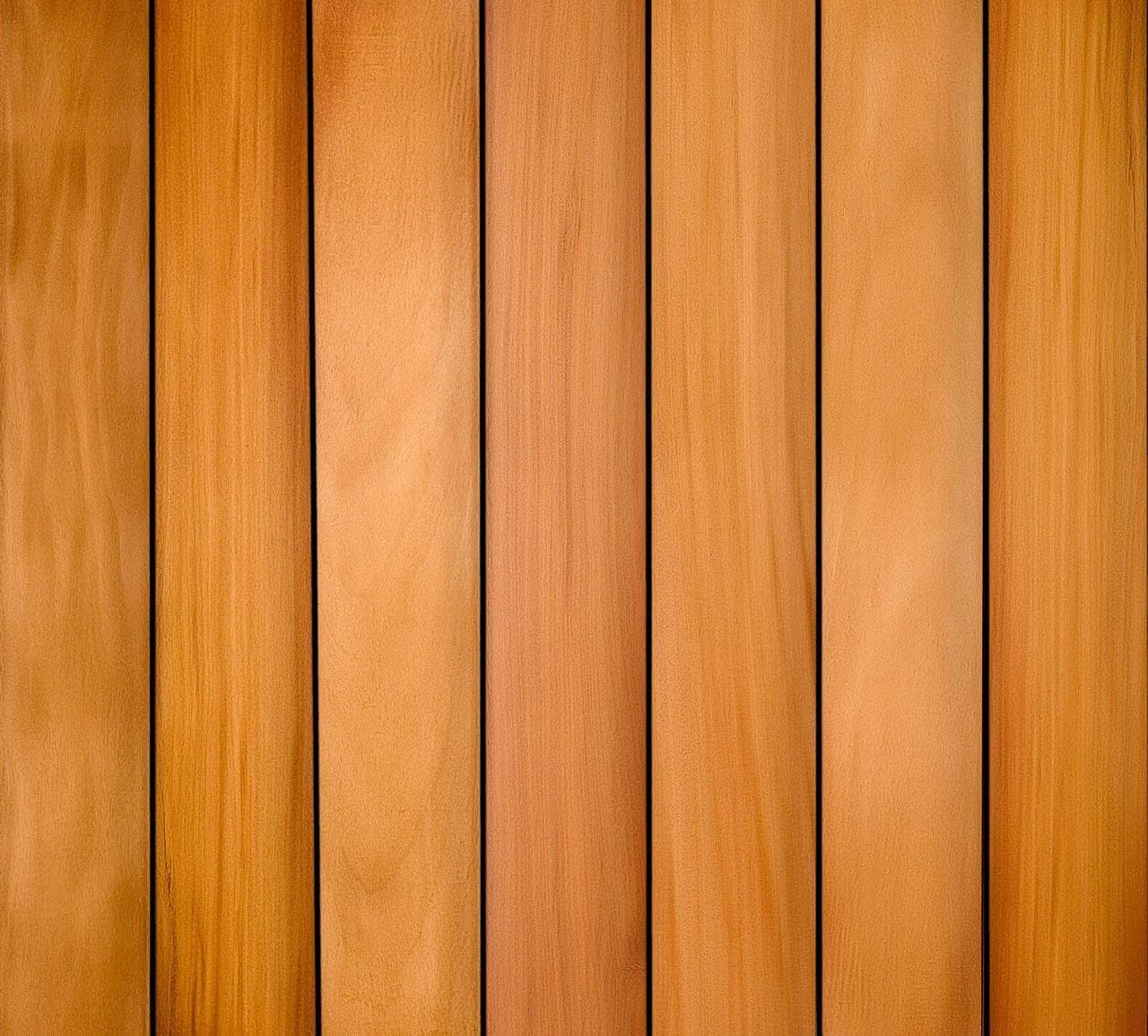
Garapa (Apuleia leiocarpa), also known as Brazilian Ash, is a tropical hardwood originating from Brazil. It is characterized by its appealing golden color, which can add a warm and inviting element to any outdoor space. This wood is recognized for its density, with an air dry density of 4.11 lbs/bf, contributing to its durability. For terrace projects, this means a material that can endure daily use and environmental exposure.
A key advantage of Garapa is its natural resistance to rot, decay, and insects, which can reduce the need for constant chemical treatments. This characteristic is particularly relevant for outdoor applications like terraces, where exposure to moisture and potential pests is a factor. Garapa also exhibits minimal splintering, which contributes to a more comfortable surface for walking and barefoot enjoyment. Its properties make it a practical choice for creating a long-lasting and aesthetically pleasing terrace.
Garapa is available in profiles such as 5/4"x6" (1" x 5.5"), with a grooved option for specific fastening systems, and lengths ranging from 3 to 24 feet. This range allows for flexibility in design and installation, accommodating various terrace dimensions and layouts. The material is typically kiln-dried (KD), which helps to stabilize the wood and reduce movement after installation.
Terrace Design Considerations with Garapa Decking
When designing a terrace with Garapa decking, consider the overall aesthetic you wish to achieve. The golden color of Garapa provides a natural warmth that can be enhanced or contrasted with surrounding elements. For instance, pairing Garapa with cool-toned exterior paint or stone can create a striking visual balance, while combining it with other natural wood tones can foster a cohesive, organic feel.
The layout of your Garapa decking boards can significantly impact the visual flow of your terrace. Common layouts include straight runs, diagonal patterns, or the use of a picture-frame border. Straight runs, where boards are laid parallel to the longest edge of the terrace, can make a space appear longer or wider. Diagonal layouts can add visual interest and help to minimize the appearance of seams in larger areas. A picture-frame border creates a clean, finished edge and can define the perimeter of the terrace, particularly useful in multi-level designs.
Another important design aspect is board spacing. Proper spacing is crucial for drainage and allowing for natural wood movement. Consult the specific product guidelines for the recommended gap between boards to ensure adequate ventilation and water runoff, especially in a coastal environment where humidity and occasional moisture can be present. This also helps in preventing debris accumulation.
Planning Your Garapa Terrace Project: A Hypothetical Example
Consider a hypothetical terrace project in Newport Beach, CA, measuring 15 feet by 20 feet, intended as an outdoor dining and lounge area. The design calls for a classic straight-lay pattern with a perimeter picture frame border. The chosen Garapa decking profile is 5/4"x6" (actual 1" x 5.5").
For the main decking area, which is 15 feet wide, if boards are laid parallel to the 20-foot length, you would need approximately 32-33 boards across the 15-foot width (15 feet * 12 inches/foot = 180 inches; 180 inches / 5.5 inches/board = 32.7 boards). If using 20-foot lengths, you would need 33 boards. If using a mix of lengths, careful planning for seams is necessary.
For a picture-frame border, you would need additional boards. A two-board wide border around the 15x20-foot perimeter would use boards cut to frame the inner decking. This would typically involve 20-foot and 15-foot lengths for the outer frame, and slightly shorter lengths for the inner frame, depending on the width of the border. Always factor in waste for cuts and mitered corners. It is prudent to order 10-15% over the calculated quantity to account for cuts, waste, and future repairs. This example assumes full board utilization and does not account for specific joist spacing or support structures, which are critical for actual installation planning.
Acquiring Garapa Samples and Visualizing Your Terrace
Before finalizing your Garapa decking order, it is highly recommended to obtain physical samples. The golden tone of Garapa can vary slightly depending on the specific batch and how it interacts with natural light. Viewing samples on-site, under the actual lighting conditions of your proposed terrace, will provide the most accurate representation of its appearance.
Place the samples in different areas of your terrace throughout the day to observe how the color changes with varying light. Consider how the Garapa will look against your home's exterior, existing landscaping, and any furniture or decor you plan to use. This step is crucial for ensuring the final aesthetic aligns with your vision for the outdoor space.
Garapa's color can deepen slightly over time, especially if left unfinished, eventually weathering to a silvery-gray patina. If you prefer to maintain the golden hue, regular application of a UV-inhibiting oil finish is recommended. Discuss finishing options with your supplier or contractor to understand the maintenance commitment and how it affects the wood's appearance over time.
Installation and Maintenance Considerations
Garapa is considered relatively easy to work with compared to some other dense hardwoods, but its density means that sharp tools are essential for cutting and shaping. It is resistant to nailing and screwing, so pre-drilling pilot holes is generally recommended for fasteners. While it glues easily, for decking applications, mechanical fasteners are typically used.
For terraces, proper ventilation underneath the deck is crucial to prevent moisture buildup and promote the longevity of the wood. Ensure that there is adequate airflow and that the deck design allows for water to drain away efficiently. This is particularly important in areas like Newport Beach, where coastal humidity can be a factor.
Maintenance for Garapa decking is generally considered minimal. It does not require constant chemical treatments to resist mold and decay. To preserve its golden color, an annual or semi-annual application of a suitable deck oil with UV protection is recommended. If left untreated, Garapa will naturally weather to a soft silver-gray. Regular cleaning to remove dirt, leaves, and other debris will also help maintain its appearance and prolong its life.
Before you order
- Have you obtained physical samples of Garapa decking and viewed them on your terrace site under various lighting conditions?
- Does your terrace design account for the specific dimensions of Garapa boards, including length availability and planned seams?
- Have you considered the desired finished appearance (golden hue vs. silver-gray patina) and planned for appropriate finishing and maintenance?
- Is the sub-structure of your terrace adequate to support the Garapa decking, and does it allow for proper ventilation and drainage?
- Have you accounted for a waste factor (typically 10-15%) in your material quantity calculations for cuts and potential future repairs?
- Have you discussed installation methods and fastener choices with your installer, considering Garapa's density?
- Are there any local building codes or homeowner association guidelines in Newport Beach, CA, that may affect your terrace design or material choice?
Confirm installation details, approved uses and warranty terms in the current instructions for the exact product and profile. Your installer should verify the substrate, structure and applicable project requirements.
This is a planning guide for projects in Newport Beach, CA. Ask our team to confirm availability, delivery to your ZIP code and which branch can support your order.
Questions to help you decide
What color is Garapa decking and how does it change over time?
Garapa decking has a natural golden color. If left unfinished and exposed to the elements, it will gradually weather to a soft, silvery-gray patina. To maintain its golden hue, regular application of a UV-inhibiting oil finish is recommended.
Is Garapa suitable for coastal environments like Newport Beach, CA?
Yes, Garapa is a very durable hardwood known for its natural resistance to rot, decay, and weather changes, making it suitable for outdoor applications in coastal environments. Its resistance to termites is also a beneficial characteristic. Proper installation with adequate ventilation is always important.
What maintenance does Garapa decking require?
Garapa requires minimal maintenance to withstand mold and decay. To preserve its golden color, an annual or semi-annual application of a suitable deck oil with UV protection is recommended. If the silver-gray weathered look is desired, only periodic cleaning is necessary.
Request a Material Quote for Your Garapa Terrace Project
Ready to enhance your outdoor living space with Garapa decking? Provide your project dimensions, desired Garapa profile, and ZIP code to request a material quote. Our team can help confirm current availability and service options for your Newport Beach, CA, terrace project. Explore our full range of decking options, including Garapa, and complementary products like Ipe, Composite Decking, and PVC Decking.
Request a material quote →