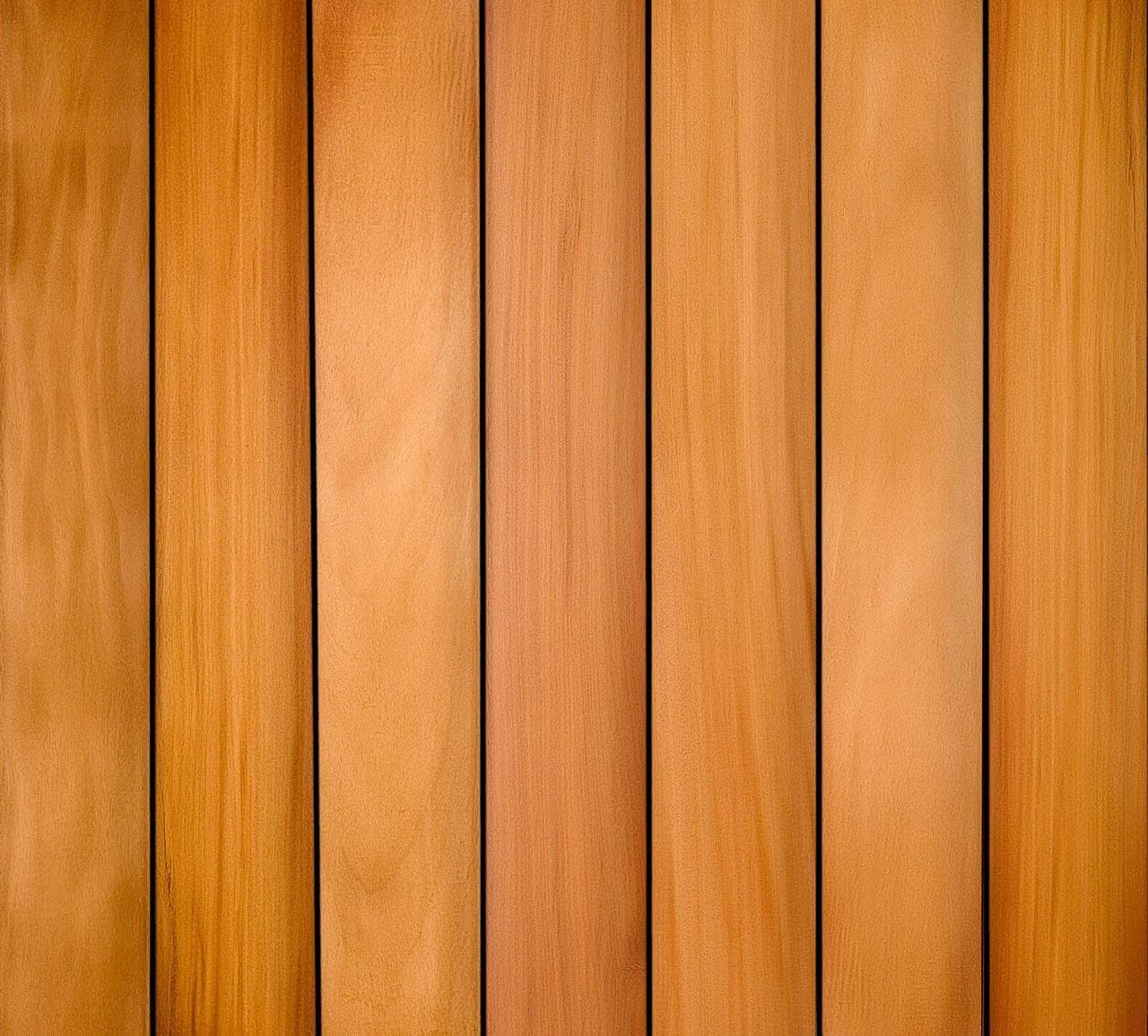
Understanding Garapa Hardwood
Garapa (Apuleia leiocarpa), also known as Brazilian Ash, is a tropical hardwood originating from Brazil. It is characterized by its distinct golden color, which can add a warm, inviting aesthetic to any outdoor space. Beyond its visual appeal, Garapa is valued for its inherent properties that make it suitable for exterior applications like decking. It has an air dry density of 4.11 lbs/bf.
A key advantage of Garapa is its natural resistance to rot, decay, and insects, which means it does not typically require constant chemical treatments to maintain its integrity. Garapa is also noted for being resistant to weather changes, an important consideration for outdoor projects in regions with varied seasons. While it resists nailing and screwing, it glues easily, and its density and interlocking grain require sharp tools for working.
Standard lengths range from 3 to 24 feet, and it is typically sold kiln-dried (KD).
Terrace Design Considerations for Manchester, NH
When planning a terrace project in Manchester, NH, several factors should guide your design and material choices. The region experiences a full range of seasons, from warm summers to cold, snowy winters. This necessitates materials that can withstand temperature fluctuations, moisture, and potential freeze-thaw cycles. Garapa's resistance to weather changes makes it a candidate for such conditions.
Consider the terrace's exposure to sunlight and shade throughout the day. While Garapa's golden color is a natural feature, all hardwoods will weather over time if left untreated. Regular cleaning and an appropriate UV-inhibiting finish can help preserve its color. Alternatively, allowing it to weather naturally will result in a silvery-gray patina, which some prefer.
Drainage is crucial for any outdoor deck or terrace, especially in areas prone to precipitation. Ensure your terrace design incorporates proper slope and spacing between boards to allow water to run off effectively, preventing standing water. This helps protect the decking and the underlying structure from moisture damage.
Worked Example: A 12x15-Foot Terrace with Garapa Decking
Let's consider a hypothetical terrace project for a home in Manchester, NH, measuring 12 feet by 15 feet. The homeowner desires a golden-toned deck that requires minimal chemical treatment. Garapa decking, in the 5/4"x6" (1" x 5.5") profile, is selected. For this example, we'll assume a standard perpendicular board layout, with boards running parallel to the 12-foot dimension.
To cover a 15-foot length, you would need boards that are at least 15 feet long. If 15-foot lengths are unavailable or undesirable for handling, you might opt for shorter lengths and plan for staggered butt joints. Dividing 12 feet (144 inches) by 5.625 inches suggests approximately 25.6 boards. Rounding up, 26 boards would be needed for the width. If using 16-foot lengths to minimize cuts and waste (with 1 foot cut off each board), you would need 26 boards at 16 feet each.
Total linear footage required would be 26 boards * 16 feet/board = 416 linear feet. However, actual purchase quantities should account for waste, end cuts, and potential future repairs. It's often prudent to add 10-15% for waste and cuts. For this example, if we use a 10% waste factor, you would need approximately 416 * 1.10 = 457.6 linear feet. This would translate to ordering 29 boards of 16-foot length (464 linear feet).
This calculation provides a starting point. Always confirm exact dimensions, desired board lengths, and waste factors with your installer and supplier. Consider a picture-frame border for a finished look, which would require additional linear footage for the perimeter.
Finishing and Maintenance for Garapa Decking
Garapa's golden color can be maintained with periodic cleaning and the application of a penetrating oil finish with UV inhibitors. If left unfinished, Garapa will gradually lighten to a silvery-gray patina, a natural process for many hardwoods when exposed to the elements. This weathering does not typically affect the wood's structural integrity or durability.
Routine maintenance for Garapa decking involves sweeping to remove debris and occasional washing with water and a mild cleaner to prevent mildew and grime buildup. Avoid harsh chemicals or pressure washing at high settings, as these can damage the wood fibers. Regular inspection for any loose fasteners or signs of wear is also recommended.
The natural resistance of Garapa to rot, decay, and insects means it does not require constant chemical treatments. This can be a benefit for those seeking a low-maintenance decking option that aligns with environmentally responsible practices.
Complementary Products for Your Terrace
Beyond the decking boards themselves, consider other Lumber Plus products that can enhance your Garapa terrace project. Compatible hardwood fascia boards can provide a clean, finished edge to your deck, tying the design together. For railings, explore options that complement the golden tones of Garapa, whether it's a contrasting metal or a matching hardwood.
If your terrace design includes built-in seating or planters, consider using Garapa or other durable hardwoods for these elements to create a cohesive look. For under-deck ventilation, which is crucial for the longevity of any deck, ensure your design allows for adequate airflow. Explore a range of decking accessories, including hidden fastener systems that can provide a smooth, unblemished deck surface, or specific cleaning and finishing products designed for hardwood.
Other decking materials like Ipe hardwood decking, composite decking, or PVC decking also offer different aesthetics and performance characteristics, which you can compare with Garapa based on your specific project needs and preferences.
Before you order
- Determine the exact dimensions and layout of your terrace project.
- Decide on the desired finished appearance: maintain golden color or allow to weather to a silvery-gray.
- Calculate the linear footage of Garapa decking boards needed, accounting for waste and cuts.
- Consider the need for fascia boards, railings, and other complementary accessories.
- Plan for proper drainage and ventilation for the terrace structure.
- Research local building codes and permits required for deck construction in Manchester, NH.
- Confirm current availability of Garapa decking profiles and lengths.
- Obtain samples to visualize the golden tone and texture in your specific light conditions.
Confirm installation details, approved uses and warranty terms in the current instructions for the exact product and profile. Your installer should verify the substrate, structure and applicable project requirements.
This is a planning guide for projects in Manchester, NH. Ask our team to confirm availability, delivery to your ZIP code and which branch can support your order.
Questions to help you decide
How long can Garapa decking be expected to last?
Proper installation and maintenance can help maximize its longevity.
Does Garapa decking require special chemical treatments?
No, Garapa decking does not require constant chemical treatments or maintenance to withstand mold and decay due to its natural resistance. Regular cleaning and an optional UV-inhibiting finish are typically sufficient.
What color is Garapa decking and how does it change over time?
Garapa has a distinct golden color. If left unfinished and exposed to the elements, it will naturally weather to a silvery-gray patina. Applying a penetrating oil with UV inhibitors can help preserve its original golden hue.
Ready to Plan Your Garapa Terrace in Manchester, NH?
Request a material quote for your project. Provide your project dimensions, desired Garapa profile (e.g., 5/4"x6"), and your ZIP code to confirm current availability and service options for your Manchester, NH location.
Request a material quote →