Understanding Garapa Decking for Your Terrace
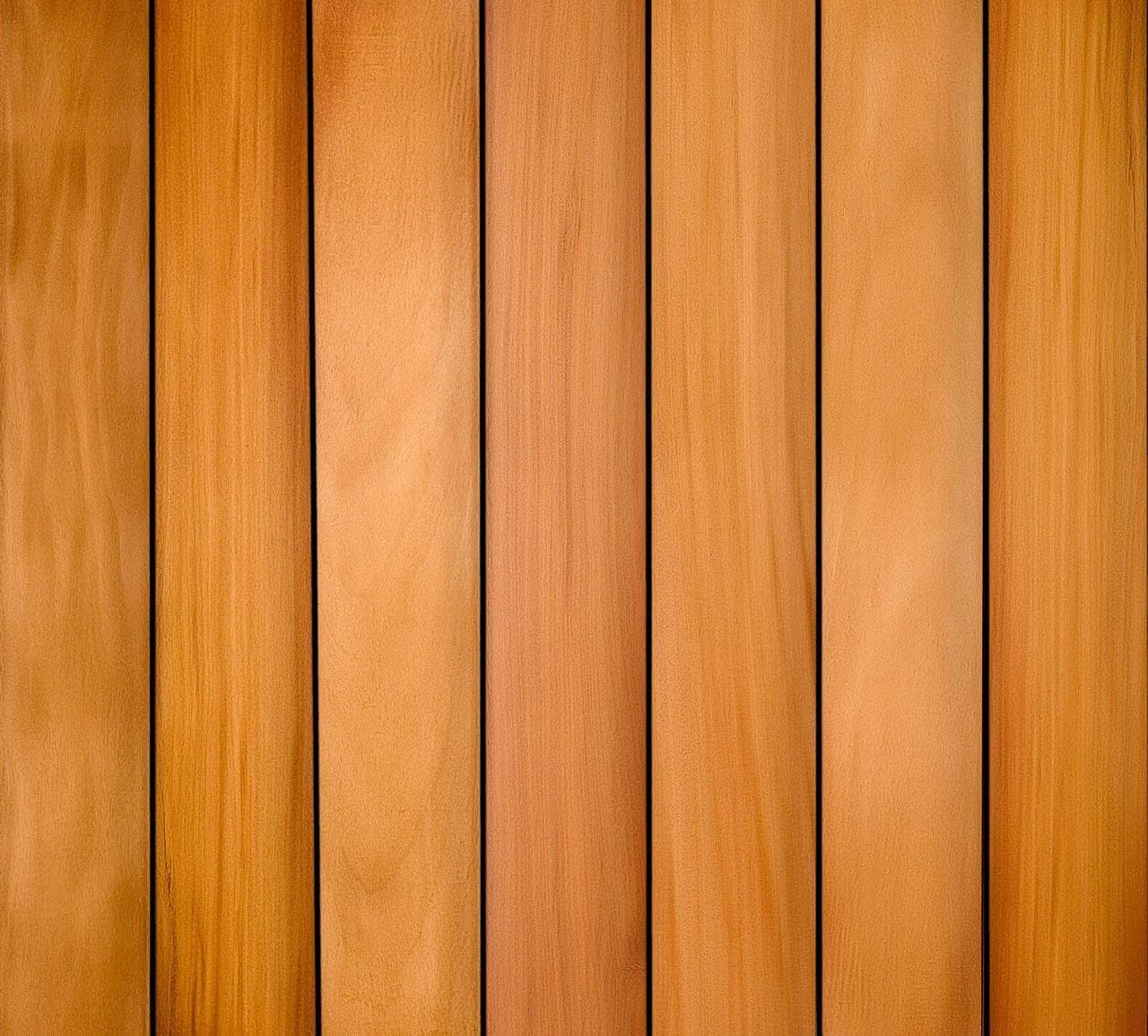
Garapa (Apuleia leiocarpa), also known as Brazilian Ash, is a tropical hardwood characterized by its appealing golden color. It has gained popularity in modern architecture for its ability to enhance the exterior of homes. For a terrace project, Garapa offers a distinct aesthetic that can brighten an outdoor living area.
Beyond its appearance, Garapa is recognized for its durability. It is naturally resistant to rot, decay, and insects, which can be a significant advantage for outdoor applications. This natural resistance means it does not require constant chemical treatments to withstand mold and decay. Its air dry density is 4.11 lbs/bf.
Garapa is also described as scratch and slip resistant, with minimal splintering. These characteristics contribute to a comfortable and functional terrace surface. When considering decking materials, understanding these inherent properties helps in evaluating its suitability for your specific project and the expected use of your terrace.
Lengths typically range from 3 to 24 feet, and the wood is kiln-dried (KD).
Garapa offers a natural resistance to weather changes. This is an important consideration for Fargo's seasonal climate, which can include significant temperature fluctuations and moisture exposure. While no wood is impervious to all conditions, Garapa's natural resilience can contribute to its performance in such environments.
Designing Your Terrace Layout with Garapa
A terrace project often involves specific dimensions and a defined purpose, whether it's for dining, lounging, or a combination. When planning with Garapa decking, consider the overall footprint and how the golden tones of the wood will integrate with your home's exterior and surrounding landscape.
Board width and length selection play a role in the visual flow of your terrace. The standard 1" x 5.5" profile of Garapa boards can create a classic or contemporary look depending on the layout. Longer boards can minimize seams, providing a more continuous appearance, while shorter lengths might be more suitable for intricate patterns or smaller areas. When ordering, it is important to account for cuts and potential waste.
Consider the direction of the decking boards relative to your primary viewing angles. Running boards parallel to the longest dimension of the terrace can make the space feel larger. Conversely, a diagonal layout can add visual interest but may result in more material waste due to angled cuts.
Hypothetical Terrace Project: Planning and Material Takeoff
Let's consider a hypothetical terrace project for a Fargo home, measuring 12 feet by 16 feet, designed for outdoor dining and relaxation. The desired aesthetic is a clean, linear look with minimal visible fasteners. For this project, we'll assume standard 1" x 5.5" (5/4"x6") Garapa decking boards, kiln-dried (KD) and available in lengths from 3 to 24 feet. We'll plan for a straight-lay pattern, with boards running parallel to the 16-foot dimension.
First, calculate the total area: 12 feet * 16 feet = 192 square feet. Each 1" x 5.5" board covers approximately 0.458 square feet per linear foot (5.5 inches / 12 inches per foot).
To cover the 12-foot width, we need 12 feet / (5.5 inches / 12 inches per foot) = approximately 26.18 boards. If each board is 16 feet long, then 27 boards * 16 feet/board = 432 linear feet. For a 12x16 foot terrace, this would be 27 boards of 16-foot length.
However, to minimize waste and optimize cuts, it's often more practical to order a mix of lengths. For example, if we use 16-foot boards, we'd need 27 boards. If we use 12-foot boards, we'd need 16 feet / (12 feet/board) = 1.33 boards per run, so 2 boards per run for 27 runs, meaning 54 boards of 12-foot length. This calculation does not include a waste factor, which is typically 10-15% for decking projects to account for cuts, imperfections, and future repairs. Always confirm exact dimensions and a detailed cut plan with your installer.
For fastening, consider using a hidden fastener system compatible with Garapa to maintain the clean aesthetic. This typically requires grooved boards or a system that can be routed into the board edges. Alternatively, face-fastening with appropriate stainless steel screws is another option, though the fasteners will be visible.
Considering Fargo's Climate and Terrace Exposure
Fargo, ND, experiences a range of weather conditions, including cold winters, warm summers, and varying levels of precipitation. When planning a Garapa terrace, these factors influence material performance and maintenance.
Garapa's natural resistance to weather changes is a benefit. However, like all wood, it will react to moisture and UV exposure. Over time, Garapa's golden color will naturally mellow and can eventually transition to a silver-gray patina if left untreated. If maintaining the golden hue is a priority, regular application of a UV-inhibiting oil finish will be necessary.
Proper ventilation beneath the deck is crucial for any decking material, especially in areas with fluctuating humidity. Ensuring adequate airflow helps prevent moisture buildup, which can contribute to warping or decay. Design your terrace structure to allow for sufficient air circulation. Confirm the exact assembly and manufacturer's installation guidelines for board spacing to facilitate drainage and airflow.
Maintenance and Longevity of Garapa Decking
Its natural resistance to rot, decay, and insects means it doesn't require constant chemical treatments.
Routine cleaning to remove dirt, leaves, and debris is recommended to prevent moisture retention and mold growth. A simple sweep and occasional washing with water and a mild cleaner can help keep the terrace looking its best. For deeper cleaning, follow manufacturer recommendations for wood-safe products.
If you prefer to preserve Garapa's original golden color, apply a high-quality UV-inhibiting oil finish annually or as needed, depending on sun exposure. If you prefer the natural silver-gray patina, less frequent oiling may be acceptable, but regular cleaning remains important. Always test any cleaning or finishing product on an inconspicuous area first.
Before you order
- Determine the primary function and size of your terrace (e.g., dining, lounging, mixed-use).
- Assess your desired aesthetic: golden tone preservation vs. natural silver-gray patina.
- Consider the orientation of decking boards to optimize visual appeal and minimize waste.
- Evaluate fastening options: hidden fasteners for a clean look or face-fastening for a classic approach.
- Plan for adequate ventilation beneath the deck to manage moisture and temperature fluctuations.
- Factor in a waste percentage (typically 10-15%) when calculating material quantities.
- Research compatible cleaning and finishing products if color preservation is desired.
Confirm installation details, approved uses and warranty terms in the current instructions for the exact product and profile. Your installer should verify the substrate, structure and applicable project requirements.
This is a planning guide for projects in Fargo, ND. Ask our team to confirm availability, delivery to your ZIP code and which branch can support your order.
Questions to help you decide
How long does Garapa decking typically last?
This makes it a durable choice for outdoor terrace projects.
Does Garapa decking require special chemical treatments?
No. Garapa is naturally resistant to mold, decay, and insects, meaning it does not require constant chemical treatments or maintenance to withstand these issues.
What color will Garapa decking be over time?
Garapa initially exhibits a golden color. If left untreated, it will naturally weather to a silver-gray patina over time due to sun exposure. To maintain its golden hue, regular application of a UV-inhibiting oil finish is necessary.
Start Planning Your Garapa Terrace Project
Ready to enhance your Fargo outdoor space with Garapa decking? Request a material quote today. Provide your project dimensions, desired profile (e.g., 5/4"x6" grooved or smooth), and your ZIP code to confirm current availability and service options. Visit our website at /contact-us to get started.
Request a material quote →