Understanding Garapa Hardwood for Terrace Applications
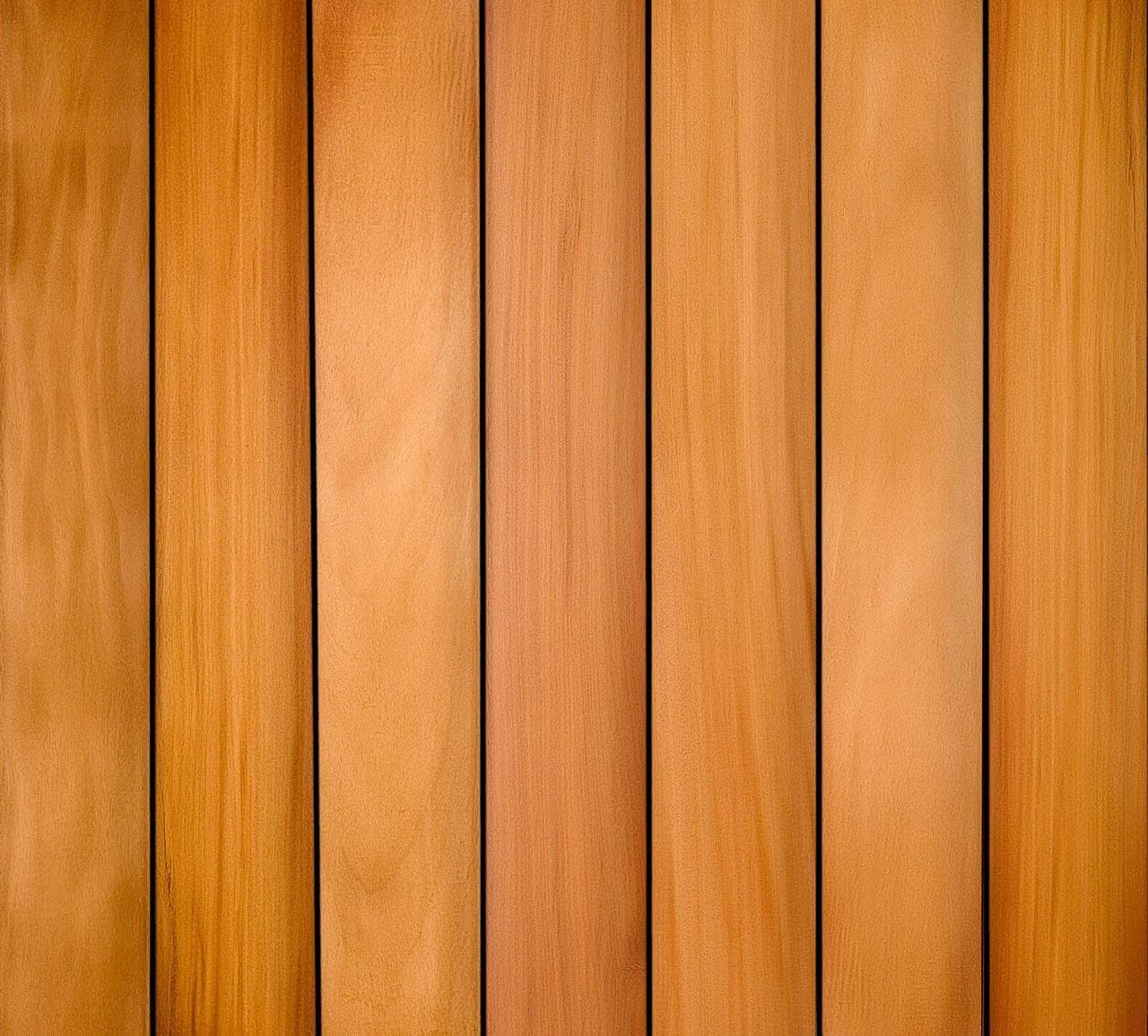
Garapa, also known as Brazilian Ash, is a tropical hardwood sourced from Brazil, recognized for its golden color. This characteristic hue can complement a range of architectural styles, from traditional to contemporary. For terrace applications, its visual appeal is often a key factor in material selection. Garapa is often considered a value option for those seeking hardwood decking.
Beyond its appearance, Garapa is noted for its durability. It is described as very durable with natural resistance to rot, decay, and insects, which means it does not require constant chemical treatments to withstand mold and decay. This natural resistance contributes to its potential for a long lifespan. Garapa also features a density that contributes to scratch and slip resistance, with minimal splintering, which can be a consideration for high-traffic terrace areas.
Terrace Design Considerations: Layout and Exposure in Augusta
Terraces in Augusta, ME, can experience varied weather conditions, from warm summers to cold winters. When planning a Garapa terrace, consider the site's exposure to direct sunlight, shade, and prevailing winds. Garapa's natural resistance to weather changes makes it a candidate for outdoor use.
The layout of your terrace should optimize both function and material usage. A simple rectangular layout can minimize cuts and waste. For more complex shapes, such as curved edges or multi-level terraces, careful planning is necessary to calculate material needs accurately and manage offcuts. Consider how the golden tone of Garapa will interact with surrounding landscaping and building materials.
Garapa Decking Profiles and Sizes for Your Project
Garapa decking is available in specific profiles and lengths to suit different project requirements. A common profile is 5/4"x6", which translates to an actual dimension of 1" x 5.5". Some suppliers may also offer a grooved option for hidden fastener systems.
Lengths typically range from 3 to 24 feet. When planning your terrace, consider these available lengths to minimize butt joints and optimize board layout for a continuous appearance. Longer boards can reduce the number of visible seams, contributing to a cleaner aesthetic. It's important to confirm the specific lengths available at the time of your order.
Worked Example: Planning a Simple Garapa Terrace in Augusta
Let's consider a hypothetical terrace project for a single-level residential home in Augusta, ME. The desired finished terrace dimensions are 10 feet wide by 16 feet long, requiring a total surface area of 160 square feet. We will use Garapa decking boards with a nominal profile of 5/4"x6" (actual 1" x 5.5") and assume an average board length of 12 feet for calculation purposes.
First, calculate the number of boards needed for the width. If boards are laid parallel to the 10-foot width, you would need 10 feet / (5.5 inches / 12 inches/foot) = 10 / 0.4583 ≈ 21.8 boards. Round up to 22 boards across the width. Since each board is 12 feet long, and the terrace is 16 feet long, you will need to cut each 12-foot board and use multiple pieces to cover the 16-foot length. A more efficient approach for a 16-foot length would be to seek boards in 16-foot lengths or to plan for seams. If using 12-foot boards, each 12-foot board would cover 12 feet of the 16-foot length, leaving 4 feet to be covered by another piece. This means each 16-foot run would require one 12-foot board and one 4-foot piece. For a 10-foot width using 12-foot boards, you would need 22 boards. For the 16-foot length, if you run the boards parallel to the 16-foot length, you would need 16 feet / (5.5 inches / 12 inches/foot) = 16 / 0.4583 ≈ 34.9 boards. Round up to 35 boards. If using 12-foot lengths, you would need 35 boards, each 12 feet long, and then cut pieces for the remaining 4 feet on some runs. For this example, let's assume boards will run parallel to the 16-foot length, and we will plan for 16-foot long boards to minimize seams. Therefore, 35 boards, each 16 feet long, would be a starting estimate. Always add 10-15% for cuts, waste, and unforeseen issues. In this case, 35 boards * 16 feet/board = 560 linear feet. Adding 15% waste: 560 * 1.15 = 644 linear feet. When requesting a quote, specify these dimensions and desired board lengths.
Complementary Materials for Your Garapa Terrace
Beyond the decking boards themselves, a successful terrace project in Augusta will require complementary materials. This includes appropriate fasteners, such as stainless steel screws for face fastening or a compatible hidden fastener system if a smooth, fastener-free surface is desired. Ensure that any chosen fasteners are suitable for hardwood and outdoor exposure.
Consider also the substructure materials, which should be robust and designed for the expected loads and environmental conditions. Flashing, waterproofing membranes, and proper drainage solutions are critical for protecting the underlying structure and ensuring the longevity of your terrace. For finishing, compatible sealers or oils can be applied to maintain Garapa's golden color, or it can be allowed to weather naturally to a silver-gray patina.
Before you order
- Confirm the overall dimensions and shape of your terrace project.
- Determine the desired finished appearance: natural weathering or maintained golden tone.
- Choose between face fastening or a hidden fastener system for installation.
- Verify the availability of Garapa decking in desired profiles and lengths.
- Account for waste factor (typically 10-15%) in material calculations.
- Select appropriate substructure materials and ensure proper drainage planning.
- Identify any required complementary materials like fasteners, sealers, or oils.
- Prepare a detailed list of materials and quantities for a precise quote.
Confirm installation details, approved uses and warranty terms in the current instructions for the exact product and profile. Your installer should verify the substrate, structure and applicable project requirements.
This is a planning guide for projects in Augusta, ME. Ask our team to confirm availability, delivery to your ZIP code and which branch can support your order.
Questions to help you decide
What is the typical color of Garapa decking?
Garapa decking is known for its golden color. This natural hue can be maintained with appropriate finishes or allowed to weather to a silver-gray patina over time.
Does Garapa decking require special maintenance for Augusta's climate?
Garapa is naturally resistant to rot, decay, and insects, reducing the need for constant chemical treatments. For Augusta's climate, regular cleaning to remove debris and prevent mildew buildup is generally recommended. If you wish to preserve the golden color, periodic application of a UV-inhibiting oil or sealer is needed.
What profiles and lengths are available for Garapa decking?
Board lengths typically range from 3 to 24 feet. It is best to confirm current availability when planning your project.
Ready to plan your Garapa terrace in Augusta, ME?
Request a material quote by providing your project dimensions, desired Garapa profile, and ZIP code. We can confirm current availability and service options for your area.
Request a material quote →