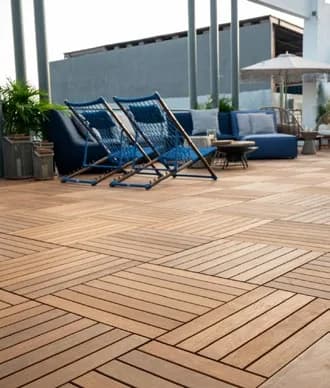
Understanding Cumaru Deck Tiles
Cumaru deck tiles are crafted from a tropical hardwood known for its reddish-brown grain and notable strength. They offer a refined, natural wood aesthetic that can elevate the appearance of any outdoor space. These tiles are available in standard sizes like 12 x 12 inches (1 square foot per tile) and 24 x 24 inches (4 square feet per tile), providing flexibility for various layouts. Their modular nature allows for straightforward installation, often without permanent attachment to the existing surface, making them suitable for renovations or temporary installations.
The primary advantage of Cumaru deck tiles lies in their appearance and ease of installation. They can often be laid directly over existing hard, level surfaces, or used with pedestal systems for elevated or uneven areas. This adaptability makes them a popular choice for balconies, rooftop terraces, and patios where minimizing weight and maximizing visual appeal are priorities.
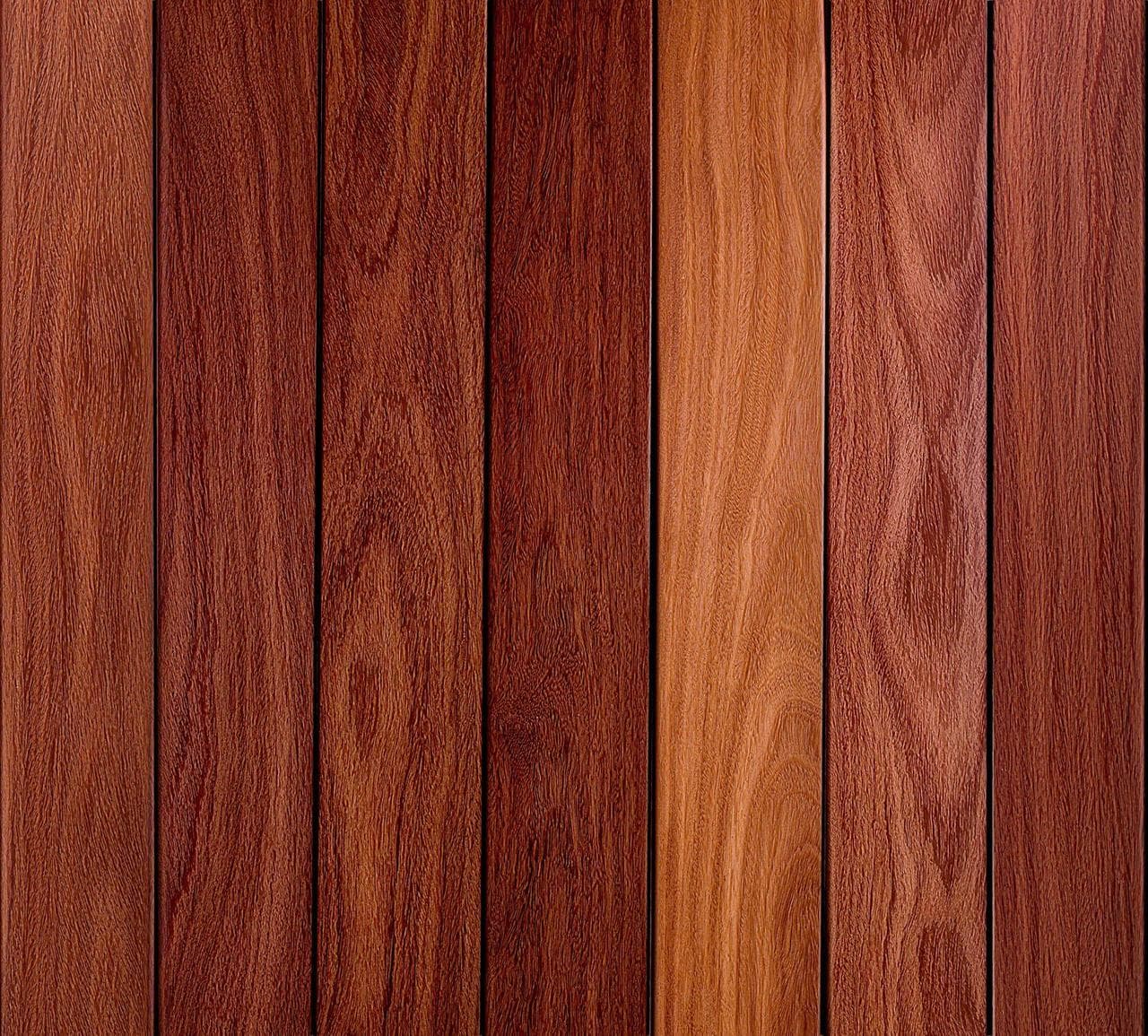
Cumaru's natural characteristics contribute to its appeal. Its rich reddish-brown tones provide a warm, inviting look, and its density offers inherent resistance to common outdoor challenges. However, as a natural wood product, Cumaru requires periodic maintenance to preserve its appearance, typically involving cleaning and the application of a UV-protective finish if the natural color is to be maintained.
Understanding Outdoor Pavers
Outdoor pavers encompass a broad category of materials, including concrete, stone (such as bluestone or travertine), and porcelain. They are generally thicker and heavier than deck tiles, designed for permanence and robust performance. Pavers are typically installed on a prepared sub-base, often involving compacted gravel and sand, to ensure stability and proper drainage. This type of installation creates a durable, long-lasting surface that can withstand significant foot traffic and heavy loads.
The aesthetic range of pavers is vast, from the industrial look of concrete to the natural variations of stone and the contemporary appeal of porcelain. They are often chosen for ground-level patios, walkways, and driveways where a solid, non-combustible surface is desired. Pavers generally require minimal routine maintenance, primarily sweeping and occasional cleaning, though specific types of pavers may benefit from sealing to prevent staining or weed growth in joints.
Key considerations for pavers include their weight, which can be substantial, and the complexity of their installation. A proper paver installation often requires excavation, grading, and the creation of a stable base, which can be a more involved process than laying deck tiles. Their weight also makes them less suitable for elevated structures like balconies or rooftop terraces without a structural review.
Structural Loading and Support: A Key Distinction
The most critical difference between Cumaru deck tiles and pavers often lies in their weight and the structural support required. Cumaru deck tiles are relatively lightweight compared to most pavers. For example, a 24 x 24 inch Cumaru deck tile (4 square feet) weighs significantly less than a comparably sized concrete or stone paver. This lower weight makes Cumaru deck tiles a suitable option for applications where structural load is a concern, such as existing elevated balconies, rooftop terraces, or older concrete slabs not designed for substantial additional weight.
When installing Cumaru deck tiles, the existing surface or a dedicated pedestal system provides the primary support. If placed directly on a concrete slab, the slab's structural integrity is paramount. For pedestal systems, the pedestals distribute the tile's weight and any live loads (people, furniture) to the underlying structure. It is essential to confirm the load-bearing capacity of the existing structure before proceeding with any installation, especially for elevated areas.
Pavers, due to their inherent mass, exert significantly higher point and distributed loads. This necessitates a robust, prepared sub-base that can adequately support their weight and prevent shifting or settling over time. On elevated structures, the use of pavers almost always requires a professional structural engineer's assessment to ensure the building can safely accommodate the increased dead load. Ignoring these structural considerations can lead to serious safety issues and damage to the underlying structure.
Installation Complexity and Flexibility
The installation process varies greatly between Cumaru deck tiles and pavers. Cumaru deck tiles are designed for ease of installation. Many systems involve interlocking mechanisms or simple fastening to a subframe, allowing for relatively quick assembly. This modularity means that individual tiles can often be removed and replaced if damaged, or for access to the underlying surface (e.g., roof membranes, drains). This flexibility is particularly advantageous for rental properties or situations where periodic access to the sub-surface is required.
Paver installation, conversely, is generally more labor-intensive and permanent. It typically involves site preparation, including excavation, compaction of a gravel base, laying a sand setting bed, placing the pavers, and then filling the joints with sand or polymeric sand. While DIY paver projects are possible for smaller areas, larger or more complex installations often benefit from professional expertise to ensure proper grading, drainage, and long-term stability. Once installed, individual pavers can be replaced, but it often requires disturbing the surrounding units and the joint material.
Maintenance and Longevity
Both Cumaru deck tiles and pavers require maintenance, though the nature of that maintenance differs. Cumaru, being a natural hardwood, will weather and develop a silver-gray patina over time if left untreated. To maintain its rich reddish-brown color, it typically requires periodic cleaning and the application of a UV-protective oil finish. This maintenance schedule will depend on exposure to sun and rain, but generally occurs annually or biannually.
Pavers, depending on the material, generally offer lower maintenance for color retention. Concrete pavers may fade over time, and some natural stone pavers can be susceptible to staining if not sealed. Porcelain pavers are highly resistant to staining and fading. The main maintenance for pavers often involves sweeping, occasional power washing, and addressing weeds or moss that may grow in the joints. For sand-jointed pavers, re-sanding may be necessary over time to maintain joint integrity.
Worked Example: Renovating a 10' x 12' Balcony
Consider our hypothetical 10-foot by 12-foot urban balcony (120 square feet). The existing concrete slab is structurally sound but uneven in places, with a slight slope for drainage. The goal is a visually appealing, low-maintenance surface that can support outdoor furniture and occasional foot traffic.
**Option 1: Cumaru Deck Tiles (24 x 24 inch)**
For a 120 square foot balcony, using 24 x 24 inch Cumaru deck tiles (4 square feet per tile), we would need 120 / 4 = 30 tiles. Accounting for cuts and potential waste, it's prudent to order 5-10% extra, so approximately 32-33 tiles. The slight unevenness and drainage slope could be addressed using adjustable pedestal systems, which would also elevate the tiles above any standing water, promoting air circulation and preventing moisture buildup. The total weight added would be relatively low, minimizing structural concerns.
Installation would involve placing and adjusting pedestals, then laying the Cumaru tiles. Edges might require cutting tiles to fit the 10-foot dimension, resulting in some offcuts. Maintenance would involve regular sweeping and an annual application of a hardwood oil to preserve the color.
**Option 2: Concrete Pavers (24 x 24 inch)**
Using 24 x 24 inch concrete pavers, the quantity would be similar, around 30-33 pavers. However, each concrete paver would be significantly heavier than a Cumaru deck tile. For a 120 square foot area, the total weight added could be substantial, potentially exceeding the balcony's design load. A structural engineer's review would be mandatory. The unevenness of the slab would require either a leveling compound or a more complex installation involving a sand bed over a separation layer, which would add significant thickness and weight. Installation would be more labor-intensive, requiring precise leveling of the sub-base or leveling compound. Long-term maintenance would be less about color preservation and more about keeping joints clear and preventing shifting.
Before you order
- Assess existing structural load capacity, especially for elevated areas.
- Determine the desired aesthetic: natural wood warmth (Cumaru) or varied paver looks.
- Evaluate the existing surface: Is it level, sloped, or uneven?
- Consider installation complexity: DIY-friendly (Cumaru) or professional-grade (pavers)?
- Factor in long-term maintenance preferences: periodic oiling (Cumaru) or joint upkeep (pavers)?
- Review budget for materials and installation labor.
- Consider future access needs to the underlying surface.
- Measure the area precisely, accounting for cuts and waste.
Confirm installation details, approved uses and warranty terms in the current instructions for the exact product and profile. Your installer should verify the substrate, structure and applicable project requirements.
Questions to help you decide
Can Cumaru deck tiles be installed directly on soil?
No, Cumaru deck tiles are not designed for direct installation on soil. They require a stable, level sub-surface, such as an existing concrete patio, a sturdy subfloor, or a pedestal system. Direct contact with soil can lead to unevenness, moisture retention, and premature degradation of the wood.
Are Cumaru deck tiles suitable for high-traffic commercial areas?
Cumaru is a dense and durable hardwood, making it suitable for many commercial applications. However, for extremely high-traffic commercial areas, the specific installation method, maintenance schedule, and local building codes should be reviewed. Pavers might offer a more robust, lower-maintenance solution for certain high-wear commercial settings, but Cumaru provides a unique aesthetic. Always consult with a professional for commercial project planning.
What happens if Cumaru deck tiles are not oiled regularly?
If Cumaru deck tiles are not oiled regularly, they will naturally weather to a silver-gray patina over time due to UV exposure and environmental factors. This does not typically affect the structural integrity of the wood, but it will change its appearance from the original reddish-brown tones. Periodic cleaning is still recommended to remove dirt and debris.
Plan Your Outdoor Terrace Project
Ready to transform your outdoor space? Request a material quote for Cumaru deck tiles with your project dimensions, desired profile (12x12 or 24x24), and ZIP code. Confirm current availability and service options to get started.
Request a material quote →