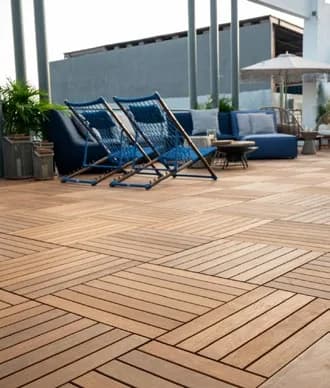
Understanding Cumaru Deck Tiles
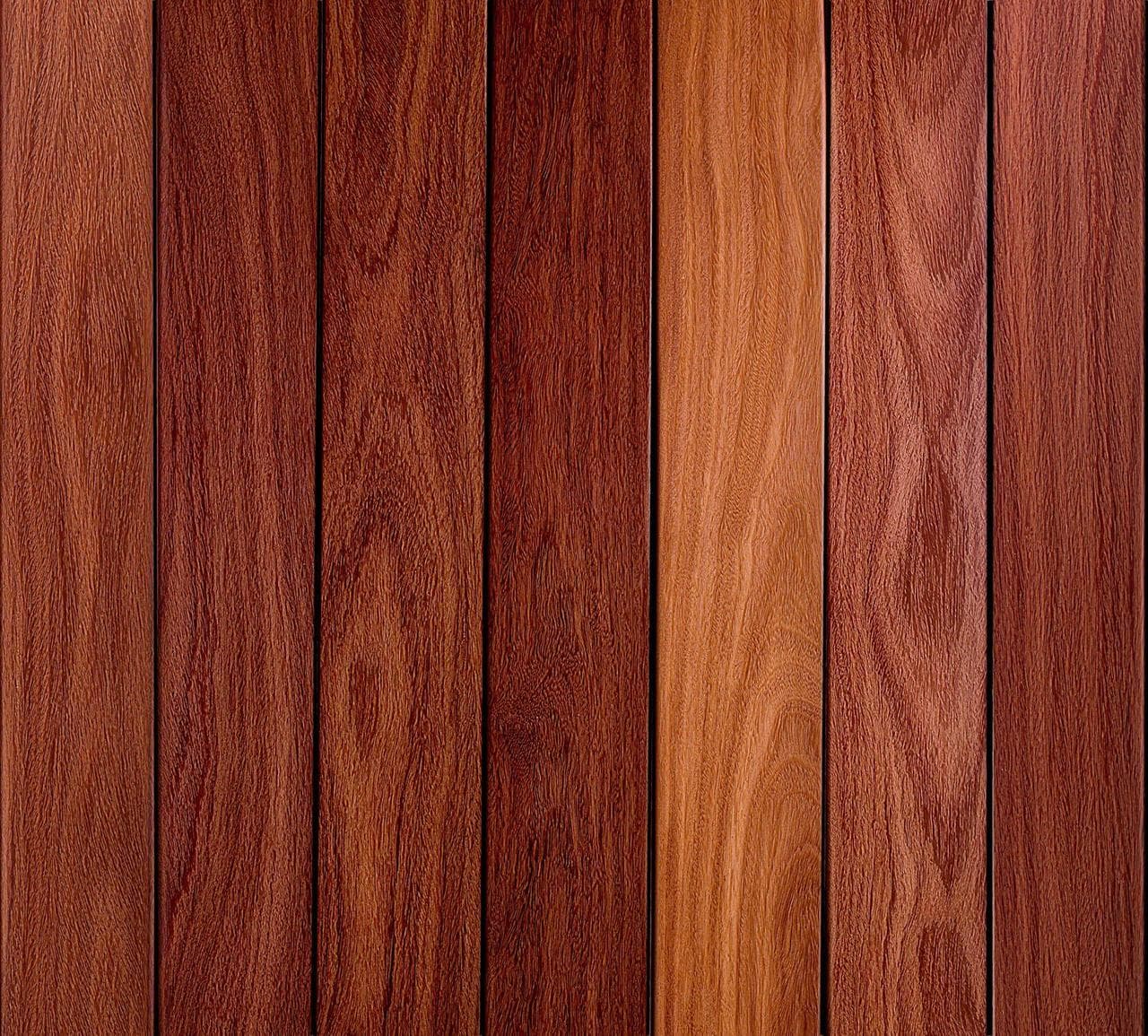
Cumaru deck tiles offer a rich reddish-brown grain, bringing the character of tropical hardwood to your outdoor space. Known for its strength, Cumaru is a choice for terraces, balconies, and other outdoor applications. Lumber Plus offers Cumaru deck tiles in two primary sizes: 12 x 12 inches and 24 x 24 inches.
The 12 x 12 inch tile is a compact square format, suitable for smaller areas or layouts that involve more edges and transitions. The 24 x 24 inch tile is a larger square format, often preferred for more expansive terraces and open surfaces, resulting in fewer visible tile seams.
Material Quantity Takeoff: The Foundation of Your Budget
The first step in budgeting is an accurate material takeoff. This involves measuring your project area and determining the number of Cumaru deck tiles you will need. Remember to consider the specific dimensions of the tiles.
For a rectangular area, multiply the length by the width to get the total square footage. Then, divide this by the area covered by a single tile. For example, a 12 x 12 inch tile covers 1 square foot, while a 24 x 24 inch tile covers 4 square feet. Always round up to ensure you have enough tiles, and consider an additional 5-10% for cuts, waste, and future replacements.
Beyond the tiles, you will also need to budget for any necessary substructure components, such as pedestals, sleepers, or joists, depending on your installation method and the existing surface. Fasteners, edge trim, and possibly a weed barrier or drainage mat should also be included.
Worked Example: Budgeting for a 10' x 12' Terrace
Let's assume you are planning to install Cumaru 24 x 24 inch deck tiles on a 10-foot by 12-foot terrace. The total area is 120 square feet.
Each 24 x 24 inch tile covers 4 square feet. So, 120 square feet / 4 square feet per tile = 30 tiles. To account for cuts and potential waste, we'll add 10%, bringing the total to 33 tiles.
This is an approximation; always confirm the manufacturer's recommended spacing and support for your chosen pedestal system. If you are using edge trim, measure the perimeter of your terrace. For a 10' x 12' area, the perimeter is 2*(10+12) = 44 linear feet. You would then calculate the number of trim pieces needed based on their length.
Remember this is a hypothetical example. Actual measurements, tile layout, and specific product requirements will influence your final quantities.
Accessories and Finishing Touches
Your budget should include all necessary accessories. This often includes deck tile connectors, which secure the tiles to each other or to a substructure. If you are using a pedestal system, you'll need the pedestals themselves, shims for leveling, and potentially joist cradles.
Consider edge treatments or fascia boards to finish the perimeter of your deck tile installation. These not only provide a clean look but can also help contain the tiles. If your installation requires any cuts, you'll need appropriate saw blades for hardwood. For ongoing maintenance, include cleaning solutions and wood sealers or oils in your budget.
Labor Costs and Installation Considerations
Labor costs can be a significant portion of your project budget, especially for larger or more complex installations. If you plan to hire a contractor, obtain multiple bids that clearly outline the scope of work, timeline, and payment schedule. Ensure the bids specify what is included (e.g., site preparation, material handling, installation, cleanup).
Even if you plan a DIY installation, consider the value of your time and any specialized tools you might need to rent or purchase. Factors like site accessibility, the complexity of the layout, and the need for surface preparation (e.g., leveling an uneven subfloor) can all impact labor hours.
For pedestal systems, the labor might involve setting and leveling the pedestals before placing the tiles. For installations directly on a flat, stable surface, the labor could primarily focus on tile placement and cutting.
The Importance of a Contingency Fund
No project budget is complete without a contingency fund. This is an allocated amount, typically 10-15% of your total estimated costs, set aside for unexpected expenses. These could include unforeseen site conditions, material damage during delivery or installation, or minor design adjustments.
A contingency fund provides a buffer, preventing minor setbacks from derailing your entire project or forcing compromises on material quality or design. It's a practical aspect of responsible project planning.
Before you order
- Have I accurately measured the project area (length x width)?
- Have I chosen the Cumaru deck tile size (12x12 or 24x24 inches)?
- Have I calculated the base quantity of tiles needed?
- Have I added 5-10% for cuts, waste, and spares?
- Have I identified all necessary support structures (pedestals, sleepers, etc.)?
- Have I accounted for connectors, fasteners, and edge trim?
- Have I considered finishing materials like sealers or oils?
- If hiring, have I obtained detailed labor quotes?
- Have I included a contingency fund (10-15% of total) in my budget?
- Do I have a plan for material delivery and storage?
Confirm installation details, approved uses and warranty terms in the current instructions for the exact product and profile. Your installer should verify the substrate, structure and applicable project requirements.
Questions to help you decide
How do I account for curves or irregular shapes in my budget?
For areas with curves or irregular shapes, it's best to break the area down into smaller, manageable rectangles and triangles. Calculate the area for each section and sum them up. For complex curves, you might need to estimate the square footage and then significantly increase your waste factor (e.g., 15-20%) to account for more intricate cuts. Always err on the side of over-ordering rather than under-ordering.
Should I budget for professional installation or DIY?
The decision depends on your comfort level with construction, available tools, and time. DIY can save on labor costs but requires careful planning and execution. Professional installation offers expertise and efficiency, especially for larger or more complex projects. Obtain quotes from reputable installers to compare against your estimated DIY costs, factoring in tool rentals or purchases for DIY.
What kind of ongoing maintenance costs should I budget for Cumaru deck tiles?
Cumaru is a durable hardwood, but like any outdoor wood, it benefits from periodic maintenance. Budget for cleaning supplies and, if you wish to preserve the reddish-brown color, a UV-inhibiting oil or sealer applied annually or bi-annually. If left untreated, Cumaru will naturally weather to a silver-gray patina. Consider the cost of these materials and the time or labor involved in their application.
Ready to Plan Your Cumaru Deck Tile Project?
Request a material quote today with your project dimensions, desired Cumaru deck tile profile, and ZIP code. Confirm current availability and service options for your project.
Request a material quote →