Assess Your Existing Surface: Level and Stable
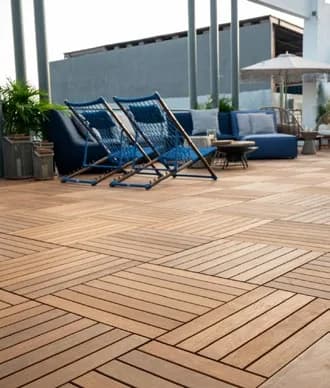
The most fundamental requirement for any deck tile installation, especially Cumaru deck tiles, is a stable and relatively level existing surface. An uneven or unstable surface can lead to rocking tiles, tripping hazards, and potential damage to the deck tile system over time. For renovation projects, this means carefully inspecting your current patio, concrete slab, or existing decking.
Look for cracks, significant dips, or humps in concrete. For existing wooden decks, check for rot, loose boards, or excessive deflection. A slight slope for drainage is generally acceptable, but abrupt changes in elevation or severe unlevelness will require corrective action before installing Cumaru deck tiles. The 12 x 12 inch and 24 x 24 inch Cumaru deck tiles are designed for installation on a prepared, even base. Without this, the aesthetic appeal and functionality of the new surface may be compromised.
If your existing surface is significantly out of level, you may need to consider options like self-leveling compounds for concrete or shimming/grinding for minor adjustments. For larger discrepancies, a pedestal system might be an option, but this introduces additional considerations for height, weight, and stability, requiring careful planning.
Review Structural Support for Added Weight
Cumaru deck tiles, being a dense tropical hardwood, add weight to an existing structure. Before proceeding with a renovation, it is critical to assess whether the underlying structure can support this additional load. This is especially important for balconies, rooftop terraces, or elevated decks.
For concrete slabs, verify the slab's thickness and condition. For elevated structures, consult with a structural engineer to confirm the load-bearing capacity of joists, beams, and foundations. Do not assume an existing structure can bear the weight of new materials and potential live loads (furniture, people, planters) without verification.
A 24 x 24 inch Cumaru deck tile weighs approximately 20-25 pounds. While a single tile's weight might seem manageable, consider the cumulative weight across your entire project area. This is a critical step to ensure safety and structural integrity for the long term.
Evaluate Existing Drainage and Water Flow
Effective drainage is paramount for the longevity of any outdoor surface, including Cumaru deck tiles. In a renovation, you must evaluate how your existing space handles rainwater and snowmelt. Poor drainage can lead to standing water, which can contribute to mildew growth on the surface, or, more critically, compromise the underlying structure.
Observe your space during and after rainfall. Are there areas where water pools? Does water drain away from the building foundation? Cumaru deck tiles are designed to allow water to pass through the gaps between tiles, reaching the surface below. Therefore, the existing surface must have a proper slope to direct water away. If your current surface has inadequate drainage, you will need to address this before installing the deck tiles.
Consider the implications of raising the surface height with deck tiles. Will this impede existing drains, door thresholds, or create new pooling areas? Ensure that any changes to the surface do not obstruct essential drainage points or create water ingress issues for adjacent structures.
Examine Door Thresholds and Vertical Clearances
A common oversight in renovation projects is failing to account for changes in vertical clearance. Cumaru deck tiles, whether 12 x 12 inches or 24 x 24 inches, have a certain thickness. This thickness, combined with any underlying support system (such as sleepers or pedestals), will raise the finished height of your outdoor surface.
Measure the clearance from the existing surface to the bottom of any doors, especially sliding glass doors or outward-swinging doors. Ensure that the new deck tile height will not interfere with door operation. Also, consider the transition height from indoor flooring to the new outdoor surface. A smooth, safe transition is desirable.
If clearances are tight, you may need to select the thinnest possible tile system or explore options to adjust door heights, if feasible. This assessment should be done early in the planning process to avoid costly adjustments later.
Worked Example: Renovating a 10' x 12' Concrete Patio
Let's consider a hypothetical renovation of a 10-foot by 12-foot concrete patio. The homeowner wants to install 24 x 24 inch Cumaru deck tiles.
1. **Existing Surface Assessment**: The patio has a slight slope (1/8 inch per foot) away from the house for drainage, which is good. This will need a self-leveling compound or careful shimming under the tiles to prevent rocking.
2. **Structural Support**: The patio is a ground-level concrete slab, approximately 4 inches thick. This is robust enough to support the Cumaru deck tiles and typical patio furniture without concern for additional structural reinforcement.
3. **Drainage**: The existing slope is adequate. The Cumaru deck tiles will sit directly on the concrete, allowing water to pass through and drain as it currently does. No changes to the primary drainage system are anticipated.
4. **Vertical Clearances**: The sliding glass door threshold is 1.5 inches above the existing concrete. Each 24 x 24 inch Cumaru deck tile is approximately 1 inch thick.
5. **Quantity Calculation**: The patio area is 10 ft * 12 ft = 120 square feet. Each 24 x 24 inch (2 ft x 2 ft) tile covers 4 square feet. So, 120 sq ft / 4 sq ft per tile = 30 tiles. It is always prudent to order an additional 5-10% for cuts and potential future replacements. For this project, ordering 33 tiles would be a reasonable starting point.
Before you order
- Is your existing surface stable and relatively level?
- Can the underlying structure support the added weight of Cumaru deck tiles and furnishings?
- Does your outdoor space have effective drainage, or will it need modification?
- Are there sufficient vertical clearances for doors and thresholds after installing the deck tiles?
- Have you accounted for any fixed obstacles like columns or railings in your layout plan?
- Do you have a plan for finishing the edges of the deck tile installation?
- Have you considered the long-term maintenance implications for Cumaru in your specific climate?
Confirm installation details, approved uses and warranty terms in the current instructions for the exact product and profile. Your installer should verify the substrate, structure and applicable project requirements.
Questions to help you decide
Can Cumaru deck tiles be installed directly over an existing uneven concrete patio?
Cumaru deck tiles require a relatively level and stable surface. While minor imperfections can sometimes be addressed with shims, significant unevenness or depressions should be corrected using methods like self-leveling compounds before installation. Installing on a very uneven surface can lead to rocking tiles, tripping hazards, and premature wear.
Do I need to seal Cumaru deck tiles after installation?
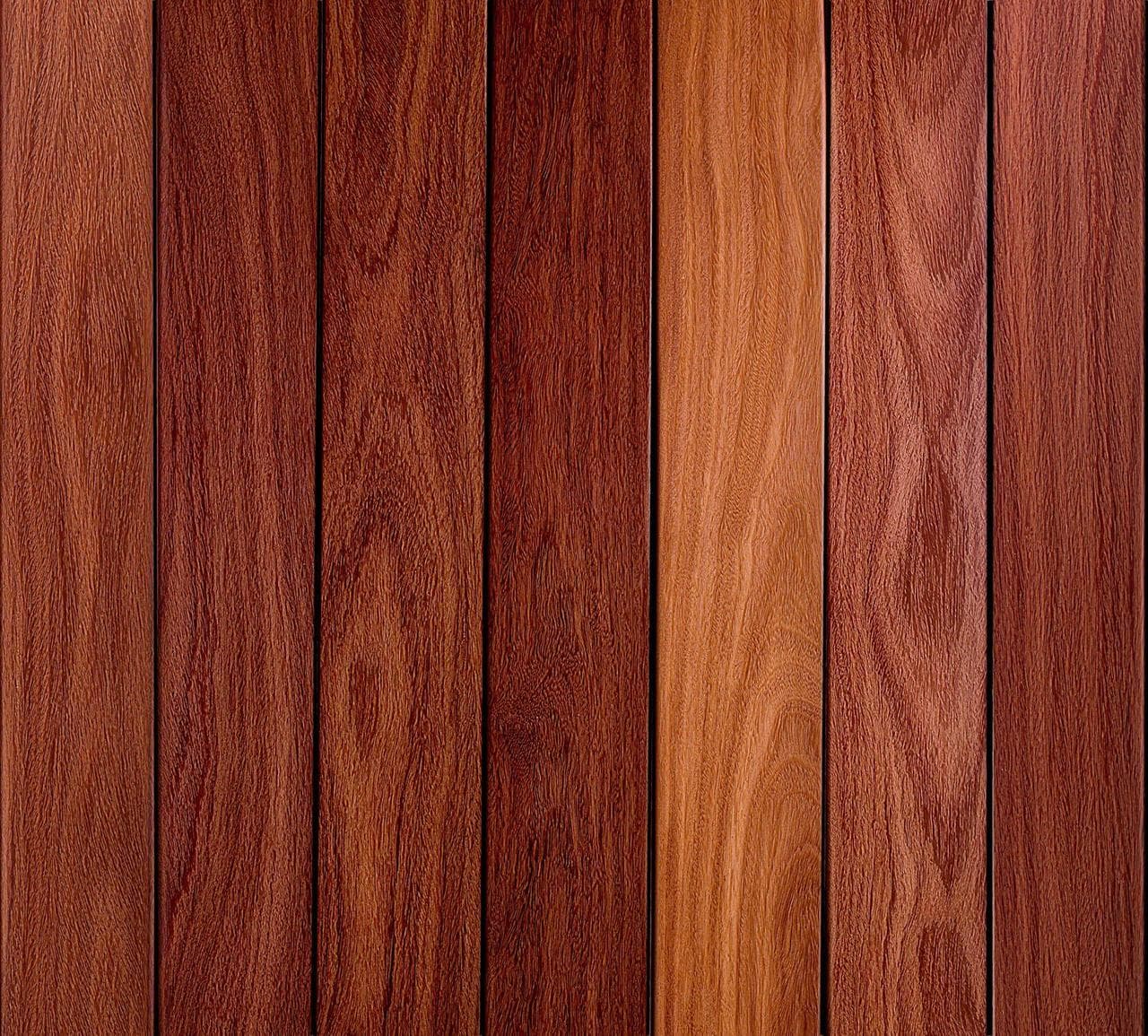
Cumaru is a dense tropical hardwood that can be left to weather naturally to a silver-gray patina over time. If you prefer to maintain its rich reddish-brown color, applying a penetrating oil finish is recommended. This can help protect the wood and enhance its natural beauty. Consult product documentation for specific finishing recommendations.
What are the common sizes for Cumaru deck tiles?
Cumaru deck tiles are commonly available in two primary square formats: 12 x 12 inches (1 square foot per tile) and 24 x 24 inches (4 square feet per tile). The choice between these sizes often depends on the project area's dimensions, desired aesthetic, and the complexity of the layout.
Ready to Plan Your Cumaru Deck Tile Renovation?
Request a material quote with your project dimensions, desired Cumaru deck tile profile (12x12 or 24x24), and your ZIP code to confirm current availability and service options. Our team can help you assess your needs.
Request a material quote →