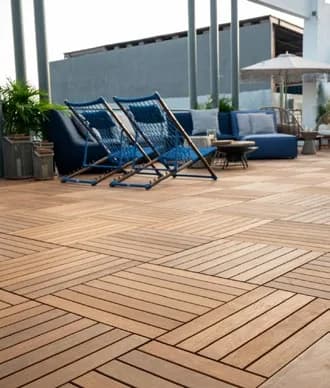
Understanding Cumaru Deck Tiles in Shaded Conditions
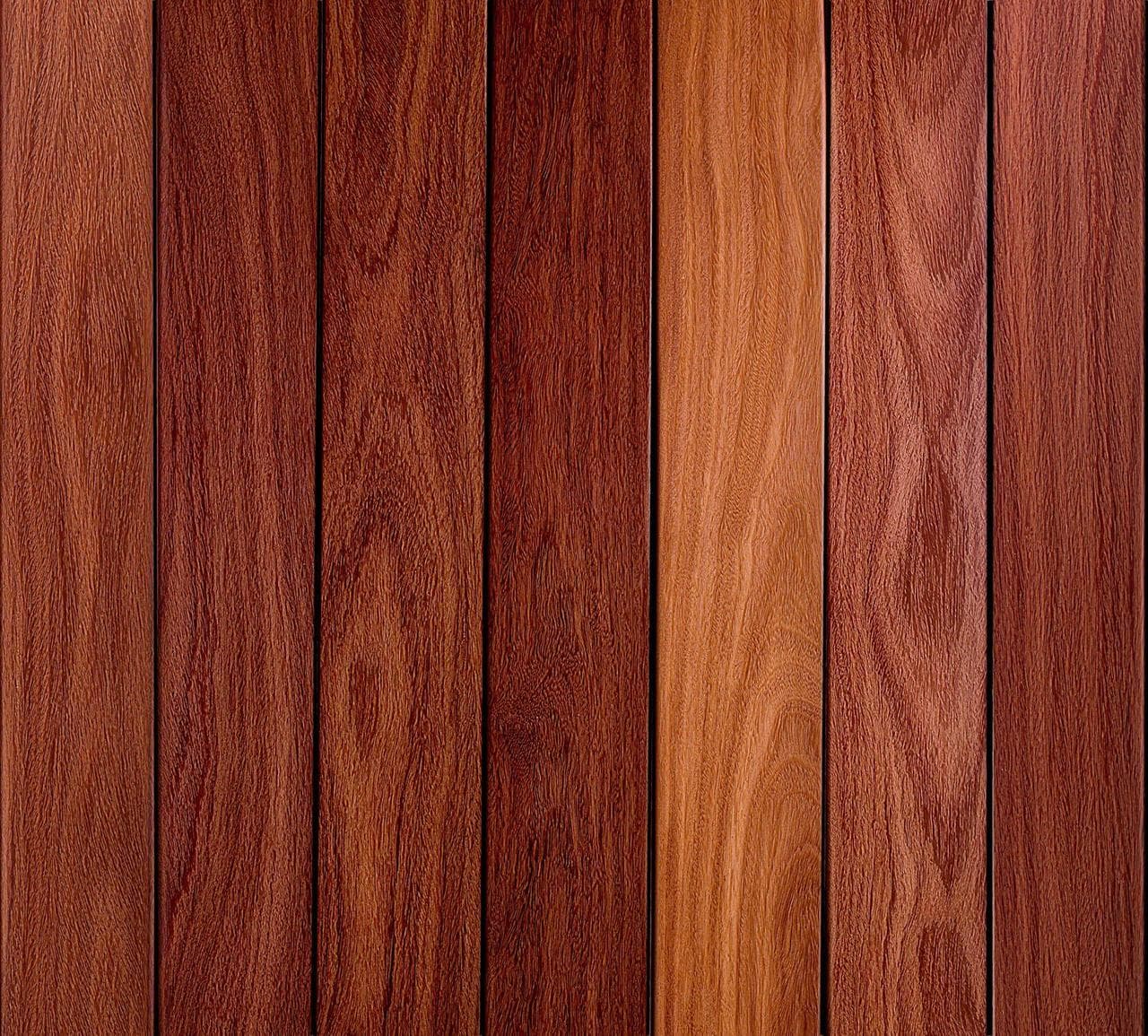
Cumaru is a tropical hardwood known for its rich reddish-brown grain and strength. While durable, its appearance in shaded, moist conditions can differ from areas exposed to full sun. Shaded areas, particularly those with limited air circulation, can experience slower drying times after rain or cleaning. This extended moisture exposure can lead to the accelerated growth of surface mildew or algae, which manifests as darkened patches or a greenish film. This is a common occurrence with any outdoor surface that remains damp.
The key to mitigating these effects is to design an assembly that maximizes ventilation beneath and between the tiles, allowing for efficient drying. Proper support structures and regular cleaning become even more critical in these environments to prevent persistent moisture from affecting the wood's surface appearance.
Choosing the Right Cumaru Deck Tile Size for Shaded Areas
Cumaru deck tiles are available in various sizes, commonly 12 x 12 inches and 24 x 24 inches. The choice of tile size can influence how quickly a shaded surface dries. Smaller tiles, like the 12 x 12 inch format, inherently create more seams across a given area. While these seams are usually narrow, they can contribute to the overall ventilation of the surface, as air can circulate more readily through the gaps.
Larger tiles, such as the 24 x 24 inch format, cover more area per piece, resulting in fewer seams. This can create a more monolithic appearance but may offer slightly less surface ventilation compared to an equivalent area covered by smaller tiles. For heavily shaded and consistently damp areas, smaller tiles might offer a marginal advantage in promoting faster drying due to the increased perimeter for air exchange.
Consider the overall aesthetic and the specific conditions of your shaded space. For very dense shade with poor airflow, the added seams of 12 x 12 inch tiles might be beneficial. For moderate shade with some ambient air movement, 24 x 24 inch tiles can still perform well with appropriate support and cleaning.
Assembly Methods for Enhanced Drying and Airflow
The method of assembly is crucial for Cumaru deck tiles in shaded areas. Avoid direct contact of the tiles with the substrate (e.g., concrete or compacted earth) as this traps moisture. Instead, use a system that elevates the tiles and creates an air gap.
Pedestal systems are an effective solution, lifting the tiles off the ground and allowing air to circulate freely underneath. This elevation helps moisture evaporate from both the top and bottom surfaces of the tiles. Ensure the pedestals maintain a consistent gap between tiles for drainage and ventilation.
If using a sleeper system, ensure the sleepers are adequately spaced and allow for cross-ventilation. Sleepers should be rot-resistant and installed to facilitate water runoff, preventing pooling beneath the tiles. Always follow manufacturer guidelines for spacing between tiles to ensure proper drainage and ventilation, which is typically a consistent, narrow gap.
Cleaning and Maintenance for Shaded Cumaru Deck Tiles
Regular cleaning is essential for Cumaru deck tiles in shaded environments to prevent the buildup of mildew and algae. Establish a routine cleaning schedule, perhaps more frequently than for sun-exposed areas.
Use a soft-bristle brush and a mild, pH-neutral cleaner specifically designed for outdoor wood surfaces. Avoid harsh chemicals or high-pressure washers, which can damage the wood fibers. Gently scrub the surface to dislodge any growth, then rinse thoroughly with water. Ensure all cleaning solution residue is removed.
For persistent mildew or algae, a diluted solution of oxygen bleach (sodium percarbonate) can be used, following product instructions carefully. Always test any cleaning solution on an inconspicuous area first. After cleaning, allow the tiles to air dry completely. In shaded areas, this may take longer, so plan cleaning during periods of dry weather.
Worked Example: Planning for a Shaded Courtyard Nook
Imagine you have a 10-foot by 8-foot courtyard nook that receives limited direct sunlight due to surrounding buildings and an overhead trellis. This area is prone to retaining moisture after rain. You want to install Cumaru deck tiles.
To maximize drying, you decide to use 12 x 12 inch Cumaru deck tiles. This choice provides more seams for ventilation compared to larger tiles. For the 10-foot by 8-foot area, you would need 10 tiles along the 10-foot length (10 feet / 1 foot per tile) and 8 tiles along the 8-foot width (8 feet / 1 foot per tile), totaling 80 tiles for the surface area coverage. However, always account for cuts and potential waste, so ordering 10-15% extra is a common practice, bringing the order to around 88-92 tiles.
This elevation allows for significant airflow beneath the tiles, promoting faster drying. The pedestals will also ensure consistent spacing between the tiles, further aiding ventilation and drainage. Regular weekly sweeping to remove debris and monthly light scrubbing with a wood-safe cleaner will be part of the maintenance plan to keep mildew at bay.
Before you order
- Assess the degree of shade and airflow in your project area.
- Consider 12 x 12 inch Cumaru deck tiles for areas with very limited airflow to maximize seams for ventilation.
- Plan for an elevated assembly system (e.g., pedestals) to create an air gap beneath the tiles.
- Ensure consistent spacing between tiles for drainage and cross-ventilation.
- Establish a regular cleaning schedule using mild, wood-safe cleaners and a soft brush.
- Avoid harsh chemicals or high-pressure washing on Cumaru deck tiles.
- Confirm the sub-surface is stable, level, and allows for water runoff away from the structure.
Confirm installation details, approved uses and warranty terms in the current instructions for the exact product and profile. Your installer should verify the substrate, structure and applicable project requirements.
Questions to help you decide
Will Cumaru deck tiles turn gray in a shaded area?
All outdoor wood, including Cumaru, will naturally weather to a silver-gray patina over time when exposed to UV light and the elements. In shaded areas, this process might be slower due to less direct sunlight, but it can still occur. However, the primary concern in shade is often surface mildew or algae, which can appear as dark or greenish patches, rather than the uniform graying caused by UV exposure. Regular cleaning helps maintain the wood's original reddish-brown tones.
Can I use Cumaru deck tiles directly on soil in a shaded garden?
No, Cumaru deck tiles should not be installed directly on soil. This will trap moisture, hinder drainage, and can lead to issues like warping, rot, and accelerated mildew growth. Always install deck tiles on a stable, level, and well-drained sub-surface, typically with an elevated support system like pedestals or sleepers, to ensure proper ventilation and prevent moisture accumulation.
What is the best way to clean mildew off Cumaru deck tiles in the shade?
For cleaning mildew off Cumaru deck tiles in shaded areas, start by sweeping away any loose debris. Then, use a soft-bristle brush and a mild, pH-neutral outdoor wood cleaner. For more stubborn mildew, a diluted solution of oxygen bleach (sodium percarbonate) can be effective. Always follow the product's instructions, test on an inconspicuous area first, and rinse thoroughly with water after cleaning to remove all residues. Allow the tiles to air dry completely.
Ready to Plan Your Shaded Cumaru Deck Tile Project?
Request a material quote with your project dimensions, desired Cumaru deck tile profile, and ZIP code. Our team can help confirm current availability and service options for your unique outdoor space.
Request a material quote →