The Initial Purchase: Essential Records to Keep
The most valuable information for future replacement comes from your original purchase documentation. This includes invoices, order confirmations, and any product specification sheets or installation guides received. These documents typically contain the exact product name, dimensions, and sometimes even the manufacturing batch number or date. Keeping these records in a safe, accessible place, such as a dedicated project binder or digital folder, can save considerable time and effort years later.
Even if your project was installed by a contractor, request copies of all material specifications and purchase orders. This ensures you have direct access to the details of the Cumaru deck tiles used, rather than relying on memory or general product descriptions.
Identifying Your Cumaru Deck Tile Profile and Size
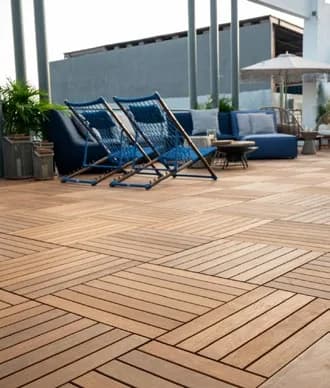
Cumaru deck tiles are available in distinct sizes, which is a primary characteristic to record. Common sizes include 12 x 12 inches (1 square foot per tile) and 24 x 24 inches (4 square feet per tile). The physical dimensions are critical for a direct fit. Measure the length and width of an existing tile module from edge to edge.
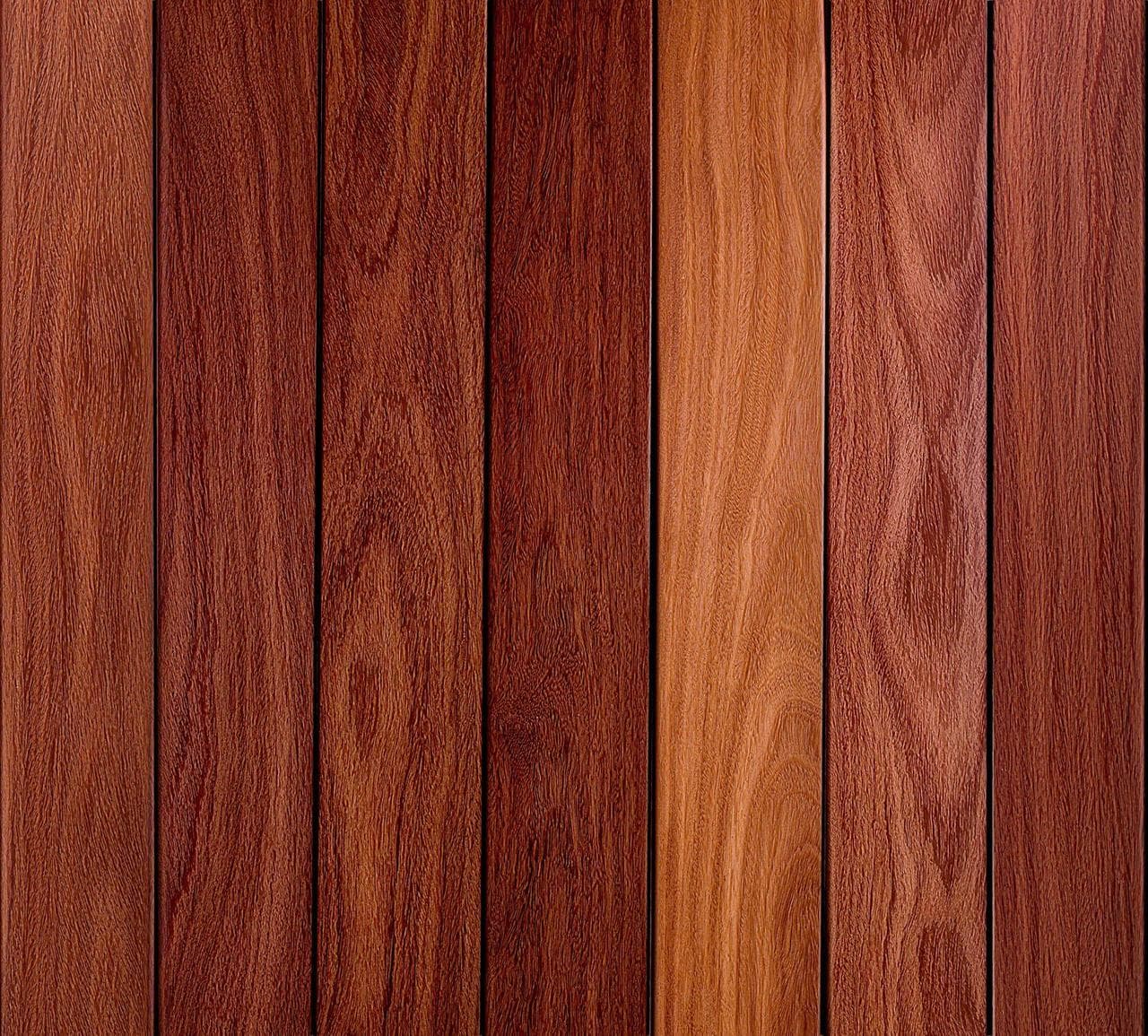
Beyond the footprint, observe the specific profile of the individual wood slats on the tile surface. Are they narrow or wide? Is there a consistent gap between them? While Cumaru is known for its rich reddish-brown grain, the exact arrangement of the slats and the underlying plastic or wood grid can vary. Note any unique features of the tile's construction, such as the type of fasteners used to secure the slats to the base.
Cumaru is a tropical hardwood known for its strength and character, with a rich reddish-brown grain. Other tropical hardwoods like Ipe (deep chocolate tones) or Garapa (warm golden tones) are also used for deck tiles, so confirming 'Cumaru' is important. You can find more information about Cumaru deck tiles at our product page: [Cumaru Deck Tiles](/deck-tiles/cumaru).
Documenting the Original Finish and Color
Cumaru deck tiles, like other natural hardwoods, will age and weather over time. The original finish applied, if any, and the degree of weathering will significantly impact the appearance of the existing tiles. Initially, Cumaru presents a rich reddish-brown grain. Over time, if left untreated, it can naturally weather to a silvery-gray patina. If your tiles were originally sealed, stained, or oiled, record the specific product used, including brand and color name.
When planning a replacement, consider the current weathered color of your existing deck. A new tile, even if it's the exact original product, may appear significantly different initially. You may need to apply a similar finish to the new tile or allow it to weather naturally to blend in. Take clear photos of your existing deck in good lighting to capture its current appearance. These photos can be invaluable when discussing replacement options.
Understanding the Support System Beneath the Tiles
The way your Cumaru deck tiles are supported can also influence replacement. Are they laid directly on a solid, level surface like concrete, or are they installed on a pedestal system? If pedestals are used, note their height, material, and how they connect to the tiles. Some tile systems are designed to interlock, while others simply rest on the supports.
Knowing these details helps ensure that any replacement tile is compatible with the existing substructure. For example, if your tiles are part of a system that allows for easy removal and re-installation for access to the surface below, a replacement should ideally maintain that functionality. For general deck tile options, you can explore our main deck tiles page: [Deck Tiles](/deck-tiles).
Worked Example: Documenting a Cumaru Deck Tile Installation
Imagine you installed a Cumaru deck tile terrace five years ago. To prepare for a potential future replacement, here's what you should record:
1. **Product Name:** Cumaru Deck Tiles (as listed on invoice).
2. **Dimensions:** Each tile is 24 inches by 24 inches. (Source: original invoice/product description).
3. **Appearance:** Rich reddish-brown grain with individual wood slats approximately 2.5 inches wide, secured to a plastic grid base. The deck has weathered to a silvery-gray patina over the past five years. (Source: visual inspection and current photos).
4. **Finish:** No initial finish applied; allowed to weather naturally. (Source: original project plan).
5. **Support System:** Tiles are laid directly on a level concrete slab, interlocking via clips on the plastic base. (Source: installation photos and inspection).
6. **Purchase Date:** July 15, 2019. (Source: original invoice).
7. **Supplier:** Lumber Plus. (Source: original invoice).
8. **Photos:** A set of current, well-lit photos showing the overall deck and a close-up of a typical tile.
This detailed record provides a clear profile for sourcing a replacement module, even if the exact product code is no longer available. You can then compare new Cumaru deck tile options, such as those made from Ipe or Garapa, if a direct Cumaru match isn't feasible: [Ipe Deck Tiles](/deck-tiles/ipe) and [Garapa Deck Tiles](/deck-tiles/garapa).
Before you order
- Locate and organize original purchase invoices and product specifications.
- Measure the exact dimensions of an existing Cumaru deck tile module.
- Note the specific profile of the wood slats and the underlying base structure.
- Identify the original finish applied (e.g., oil, sealer, none) and its brand/color.
- Document the current, weathered appearance of your deck tiles with clear photographs.
- Record details of the deck tile support system (e.g., direct lay, pedestals, interlocking mechanism).
- Keep records of the original supplier and purchase date.
Confirm installation details, approved uses and warranty terms in the current instructions for the exact product and profile. Your installer should verify the substrate, structure and applicable project requirements.
Questions to help you decide
Can I expect a new Cumaru deck tile to perfectly match my existing weathered tiles?
A new Cumaru deck tile, even if it's the same product, will likely have a fresher, richer reddish-brown color compared to existing tiles that have weathered over time. Natural weathering to a silvery-gray patina takes time. You may choose to apply a finish to the new tile to help it blend, or allow it to weather naturally to match the existing surface.
What if the original Cumaru deck tile product is no longer available?
If the exact product is discontinued, your detailed records will be crucial. You can use them to find the closest possible match in terms of dimensions, wood profile, and construction. Sometimes, a similar tropical hardwood deck tile from a different manufacturer might be the best alternative, but be sure to verify dimensions and support system compatibility.
How do I measure my Cumaru deck tile for replacement?
Measure the length and width of a single deck tile module from its outermost edges. Also, if possible, measure the thickness of the tile and note the height of any underlying plastic or wood grid. These dimensions are essential for ensuring a proper fit.
Request a Quote for Cumaru Deck Tiles
Provide your project dimensions, exact profile preferences, and ZIP code to request a material quote. Our team can confirm current availability and service options for Cumaru deck tiles.
Request a material quote →