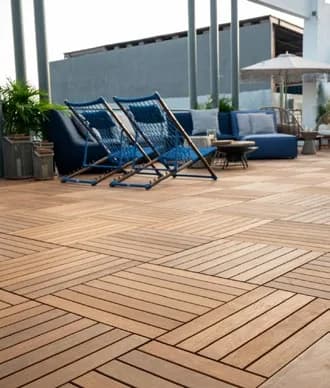
Understanding Your Lease and Landlord Approval
The first and most critical step for any rental property enhancement is reviewing your lease agreement. Look for clauses related to alterations, modifications, flooring, or outdoor space usage. Many leases prohibit permanent changes or require written landlord approval for any additions. Even if deck tiles are considered temporary, it is prudent to seek explicit permission.
When approaching your landlord, be prepared to present a clear plan. Explain that Cumaru deck tiles are a non-permanent, non-invasive solution that will not damage the existing balcony surface. Emphasize that the installation will be reversible, allowing the balcony to be returned to its original condition. Offer to provide details on the specific product, installation method, and your plan for removal and storage. Document all communications and approvals in writing to avoid future misunderstandings.
Choosing the Right Cumaru Deck Tile Size
Cumaru deck tiles are available in common sizes such as 12 x 12 inches and 24 x 24 inches. The choice of size can impact both the aesthetic and the ease of installation and removal on a rental balcony.
The 12 x 12 inch format (1 square foot per tile) is compact and can be suitable for smaller balconies or layouts that involve more edges or transitions. This size might offer more flexibility for intricate cuts around columns or railings, which are common on balconies. The smaller modules can also be easier to handle during installation and, importantly, during removal and storage.
The 24 x 24 inch format (4 square feet per tile) is a larger square format that can cover open surfaces more quickly with fewer tile seams. While this might be appealing for larger, unobstructed balconies, the larger size and weight of each tile can make handling and storage more challenging, especially if you anticipate frequent moves. For a rental situation, the 12 x 12 inch tile may offer a more practical balance of coverage and manageability.
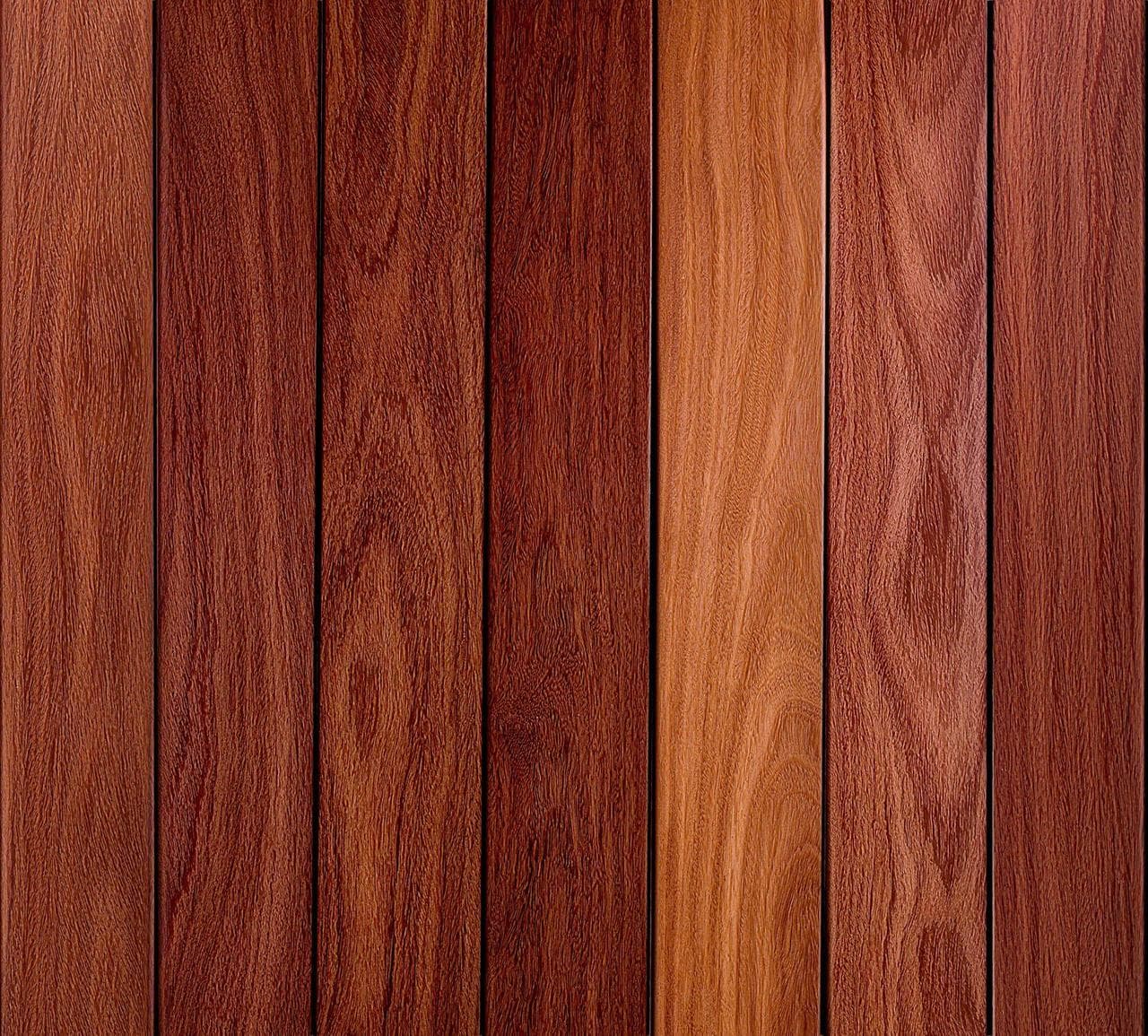
Cumaru is a tropical hardwood known for its rich reddish-brown grain and durability. It offers an aesthetic similar to Ipe, which has deep chocolate tones, or Garapa, with its warm golden tones. (S1)
Planning for a Reversible Installation
A key requirement for rental balcony projects is that the installation must be reversible, leaving no damage or permanent alterations to the existing surface. This means avoiding adhesives, screws, or any fasteners that penetrate the balcony's subfloor.
Most Cumaru deck tiles are designed for 'floating' installations using an interlocking or connector system that allows them to be laid directly over a hard, flat surface. These systems typically connect the tiles to each other, creating a stable surface without attaching to the balcony itself. This method is ideal for rental properties as it allows for easy removal without damaging the underlying concrete, tile, or membrane.
Ensure the existing balcony surface is clean, dry, and relatively level before installation. Any significant unevenness could lead to an unstable surface. While deck tiles can accommodate minor irregularities, they are not designed to level a severely sloped or damaged subfloor. For water drainage, ensure that the existing balcony slope is maintained and not obstructed by the tiles. Water must be able to drain freely beneath and away from the tiles.
Worked Example: Planning for a 10' x 6' Rental Balcony
Let's consider a hypothetical rental balcony measuring 10 feet (120 inches) by 6 feet (72 inches). The goal is to cover this area with Cumaru deck tiles in a reversible manner.
For this example, we will use 12 x 12 inch Cumaru deck tiles. Each tile covers 1 square foot. The total area of the balcony is 10 feet x 6 feet = 60 square feet.
To cover the 10-foot length, you will need 10 tiles (120 inches / 12 inches per tile = 10 tiles). To cover the 6-foot width, you will need 6 tiles (72 inches / 12 inches per tile = 6 tiles). This means you will need 10 tiles x 6 tiles = 60 tiles for the main area.
It is recommended to purchase an additional 5-10% for cuts, waste, or future replacements. For 60 tiles, an extra 10% would be 6 tiles, bringing the total to 66 tiles. This allows for clean edge cuts and potential off-cuts that cannot be reused. For instance, if you need to cut a tile to fit a specific corner or around a railing, having spares is helpful.
The installation would involve laying the tiles directly on the clean, dry balcony surface, connecting them using their integrated interlocking tabs or separate connectors. No adhesives or fasteners are used to secure the tiles to the balcony itself. The perimeter tiles would be cut to fit, if necessary, ensuring a neat edge without permanently altering the balcony structure. The weight of the assembled tiles helps keep them in place.
Removal and Storage Considerations
When your lease ends or you decide to move, the Cumaru deck tiles will need to be removed and either stored or reinstalled elsewhere. Plan for this from the beginning.
The interlocking system designed for reversible installations also makes removal straightforward. Tiles can typically be disconnected one by one. As you remove them, clean any debris from the underside of the tiles and the balcony surface. Inspect the balcony for any changes or damage, though a properly installed floating system should leave it pristine.
For storage, consider the quantity and weight of the tiles. Cumaru is a dense hardwood. If you used 60 tiles for a 60 square foot balcony, this represents a significant volume and weight. Plan for a dry, protected storage space. Stacking tiles neatly can minimize the required footprint. If you anticipate storing them for an extended period, ensure they are kept in a stable environment to prevent warping or damage.
Complementary Products for Your Balcony
Beyond the Cumaru deck tiles, consider other elements to complete your rental balcony. While the deck tiles provide the foundation, adding appropriate furniture, planters, or lighting can enhance the space.
For furniture, choose pieces that are weather-resistant and proportional to your balcony size. Lightweight, foldable options can be practical for renters. When placing planters, be mindful of their weight and ensure they do not impede drainage. Consider elevated planters or those with integrated drainage systems to prevent water from pooling on the tiles or the balcony surface.
Portable, solar-powered lighting or string lights can add ambiance without requiring electrical modifications. Look for outdoor rugs that can define zones and add comfort. Remember that any additions should also be easily removable and compliant with your lease.
Before you order
- Review lease for balcony modification clauses.
- Obtain written landlord approval for deck tile installation.
- Measure balcony dimensions accurately.
- Choose Cumaru deck tile size (12x12 or 24x24) based on manageability and layout.
- Confirm existing balcony surface is clean, dry, and relatively level.
- Plan for a floating, non-adhesive, reversible installation method.
- Calculate tile quantity, including 5-10% for cuts and waste.
- Consider how water will drain beneath and away from the tiles.
- Plan for removal and appropriate storage of tiles.
- Select complementary, removable balcony decor.
Confirm installation details, approved uses and warranty terms in the current instructions for the exact product and profile. Your installer should verify the substrate, structure and applicable project requirements.
Questions to help you decide
Can I install Cumaru deck tiles directly on any rental balcony surface?
Cumaru deck tiles are generally designed to be installed over hard, flat, and stable surfaces such as concrete, existing tile, or a waterproof membrane. The surface must be clean, dry, and have adequate drainage. They are not suitable for severely uneven, soft, or damaged surfaces without proper subfloor preparation, which may not be permissible in a rental property.
Do I need to seal or treat Cumaru deck tiles for a rental balcony?
Cumaru is a durable tropical hardwood. While it can be left to weather naturally to a silver-gray patina, applying a penetrating oil finish can help maintain its rich reddish-brown color and offer additional protection against moisture and UV exposure. For a rental, consider a finish that is easy to reapply and does not require extensive maintenance, aligning with your temporary occupancy. Always follow manufacturer guidelines for any finishing products.
What if my balcony has an unusual shape or fixed obstacles?
Balconies often feature irregular shapes, columns, or drains. Cumaru deck tiles can be cut to fit these unique configurations. Use appropriate woodworking tools for clean cuts. Plan your layout carefully to minimize waste and ensure a professional appearance. For drains, ensure that the tiles do not obstruct water flow and that access for maintenance is preserved, which may involve cutting tiles around the drain or creating removable sections.
Ready to Transform Your Rental Balcony?
Request a material quote with your project dimensions, desired Cumaru deck tile profile, and ZIP code to confirm current availability and service options for your rental balcony project. Be sure to include any specific requirements for a reversible installation.
Request a material quote →