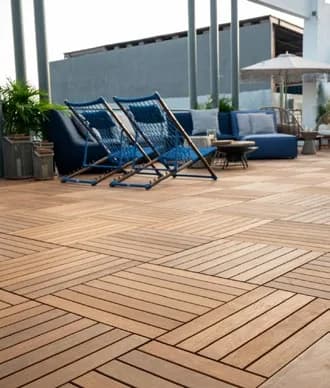
Cumaru Deck Tiles in a Wet Environment
Cumaru is a tropical hardwood known for its density and natural resistance to moisture and decay, characteristics that make it suitable for outdoor applications, including areas exposed to water. For a poolside terrace, this means the material can withstand splashes and humidity without significant degradation. However, it's important to differentiate between material suitability and assembly design.
While Cumaru itself handles moisture well, the design of the deck tile installation is critical for a poolside environment. Proper drainage beneath the tiles is essential to prevent standing water, which can lead to staining or algae growth. The open nature of deck tile systems, especially when installed on pedestals or sleepers, generally allows water to drain through and off the underlying surface.
Sub-Surface Preparation and Drainage
The foundation beneath your Cumaru deck tiles is as important as the tiles themselves, especially for a poolside terrace. The sub-surface must be stable, level, and designed to manage water effectively. This typically means a sloped concrete slab or another waterproof membrane that directs water away from the pool and surrounding structures.
When installing Cumaru deck tiles, consider using a system that elevates the tiles slightly. This elevation creates a ventilation gap, allowing air circulation and promoting quicker drying of both the tiles and the sub-surface.
Ensure that the underlying surface has a continuous and adequate slope for water runoff. Any areas where water might collect could become problematic over time, potentially impacting the longevity of the installation and requiring more frequent cleaning.
Choosing the Right Tile Size for Your Poolside Layout
Cumaru deck tiles are available in common sizes such as 12 x 12 inches and 24 x 24 inches. The choice between these sizes can influence both the aesthetic and the installation process for a poolside terrace.
The 12 x 12 inch format can be suitable for smaller areas, intricate layouts, or designs with many edge transitions, such as curving around a pool's edge or integrating with planters. Each 12 x 12 inch tile covers approximately 1 square foot.
The 24 x 24 inch format offers a larger surface area per tile, covering approximately 4 square feet. This can result in fewer seams across expansive terraces, creating a more uniform visual. Larger tiles may also simplify installation over broad, open surfaces.
Consider the scale of your poolside area and the desired visual impact. A larger terrace might benefit from the fewer seams of 24 x 24 inch tiles, while a smaller, more detailed space might be better suited for the flexibility of 12 x 12 inch tiles. Think about how the tile size will interact with the pool coping and any other fixed elements.
Finishing the Edges of Your Poolside Terrace
The edges of a deck tile installation, particularly around a pool, require careful planning for safety and aesthetics. Exposed edges can be a tripping hazard and may detract from the overall appearance if not properly addressed.
Options for finishing edges include using trim pieces, fascia boards, or creating a continuous border with the pool coping. If the terrace is raised, a vertical fascia board made from a complementary or matching material can conceal the substructure and provide a clean finish. Ensure that any edge treatment allows for proper drainage and does not trap water.
When planning, consider the transition from the deck tiles to the pool coping. A seamless transition or a clearly defined edge can enhance both the safety and visual appeal of the poolside area. Review manufacturer guidelines for specific trim options and installation methods.
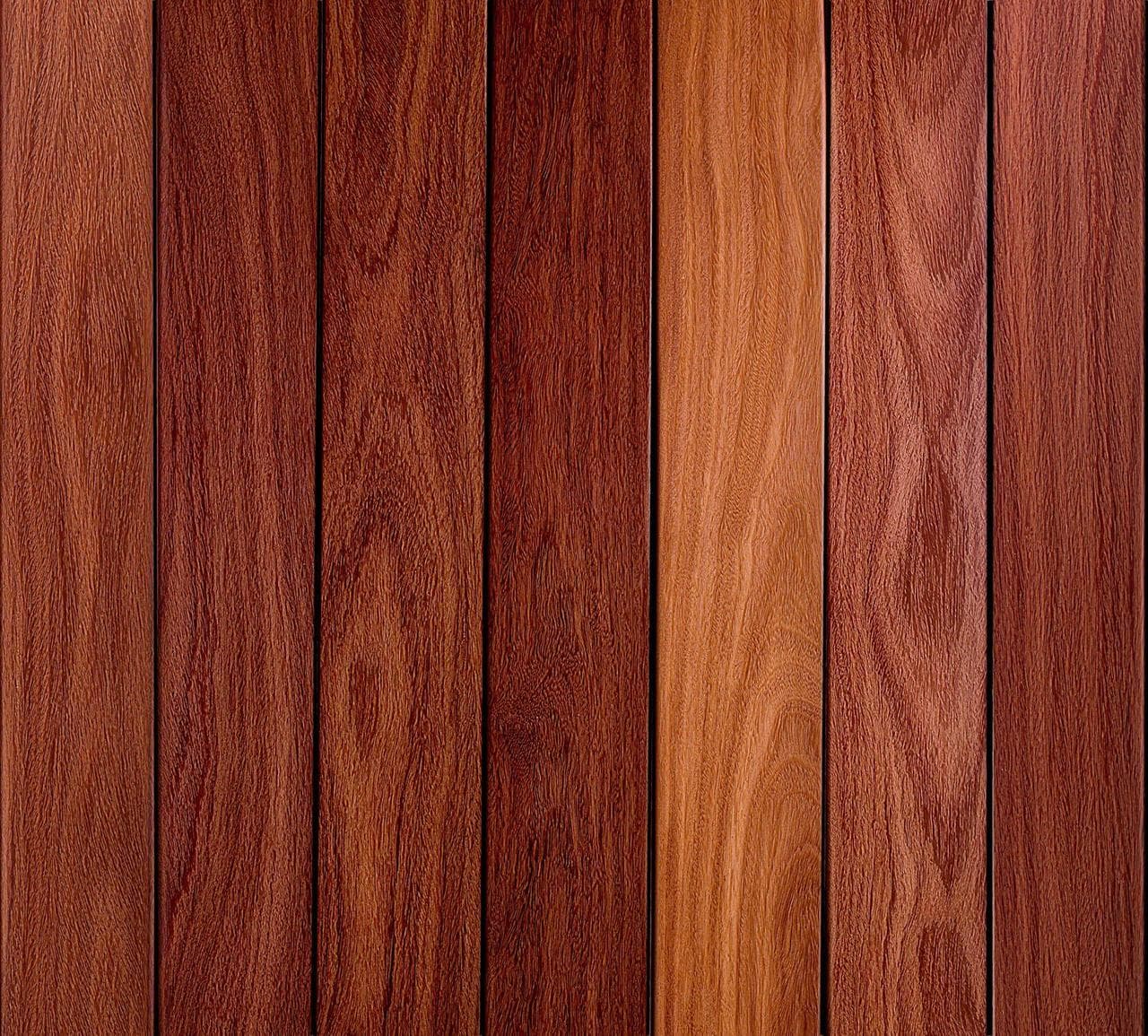
Lumber Plus offers other tropical hardwood deck tiles like Ipe with deep chocolate tones and Garapa with warm golden tones, which may also be considered for complementary trim or border elements if a contrasting look is desired.
Example: Planning Cumaru Tiles for a 10' x 15' Poolside Terrace
Let's consider a hypothetical poolside terrace measuring 10 feet by 15 feet. This area totals 150 square feet. We will use 24 x 24 inch Cumaru deck tiles, which each cover 4 square feet.
To cover the 150 square feet, you would initially calculate 150 sq ft / 4 sq ft per tile = 37.5 tiles. Since you cannot purchase half a tile, you would need to round up to 38 tiles for area coverage. However, practical installation requires considering cuts and waste.
For a 10-foot width (120 inches) using 24-inch tiles, you would need 120 / 24 = 5 tiles across. For a 15-foot length (180 inches), you would need 180 / 24 = 7.5 tiles. This means along the 15-foot length, you would need 7 full tiles and one row of tiles cut in half. You would purchase 8 tiles for that row to account for the cuts.
Therefore, for the 10-foot width, you need 5 full tiles. For the 15-foot length, you need 8 tiles (7 full and 1 for cuts). The total number of full tiles to purchase would be 5 tiles (width) * 8 tiles (length) = 40 tiles. This accounts for potential cuts and provides a small buffer. Always verify specific cut allowances and waste factors with your installer.
This calculation provides a practical quantity for ordering, ensuring you have enough material even with necessary cuts for a clean finish.
Before you order
- Verify the existing sub-surface slope and drainage for effective water runoff.
- Confirm the stability and levelness of the sub-surface for tile installation.
- Choose between 12 x 12 inch or 24 x 24 inch Cumaru deck tiles based on terrace size and design intent.
- Plan for edge finishing, considering trim pieces, fascia, or integration with pool coping.
- Account for a ventilation gap beneath the tiles to promote drying and air circulation.
- Calculate the required tile quantity, including extra for cuts and potential waste.
Confirm installation details, approved uses and warranty terms in the current instructions for the exact product and profile. Your installer should verify the substrate, structure and applicable project requirements.
Questions to help you decide
Are Cumaru deck tiles slippery when wet?
While Cumaru is a dense hardwood, any smooth surface can become less secure when wet. The grooved or textured profiles of some deck tiles can offer some traction. However, for poolside areas, it's always recommended to exercise caution, and consider additional measures such as non-slip mats in high-traffic zones if desired. Regular cleaning can also help prevent the build-up of slippery residues.
How do I maintain Cumaru deck tiles around a pool?
Regular maintenance for Cumaru deck tiles around a pool involves sweeping away debris and occasional cleaning with water and a mild, pH-neutral cleaner. Avoid harsh chemicals that could damage the wood or affect pool chemistry. Over time, Cumaru will naturally weather to a silver-gray patina if left untreated. If you prefer to maintain the reddish-brown color, periodic application of a UV-inhibiting deck oil is recommended. Ensure any cleaning or treatment products are suitable for use near pool water.
Can Cumaru deck tiles be installed directly on a concrete slab next to a pool?
Cumaru deck tiles can be installed on a concrete slab, provided the slab is properly prepared. The concrete must be clean, level, and have an adequate slope for drainage. Direct installation without a sub-structure may limit ventilation and drainage, potentially leading to slower drying times. Using a pedestal system or sleepers is often recommended to elevate the tiles, create a ventilation gap, and ensure efficient water runoff, which is particularly important in a poolside environment.
Ready to Transform Your Poolside with Cumaru Deck Tiles?
Request a material quote with your project dimensions, desired Cumaru deck tile profile, and ZIP code to confirm current availability and service options for your poolside terrace project.
Request a material quote →