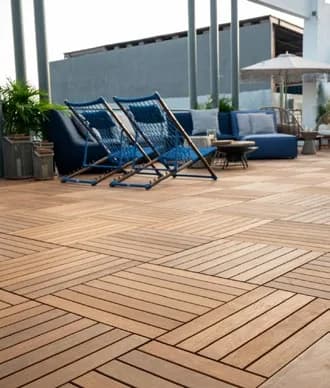
Understanding Cumaru Deck Tiles
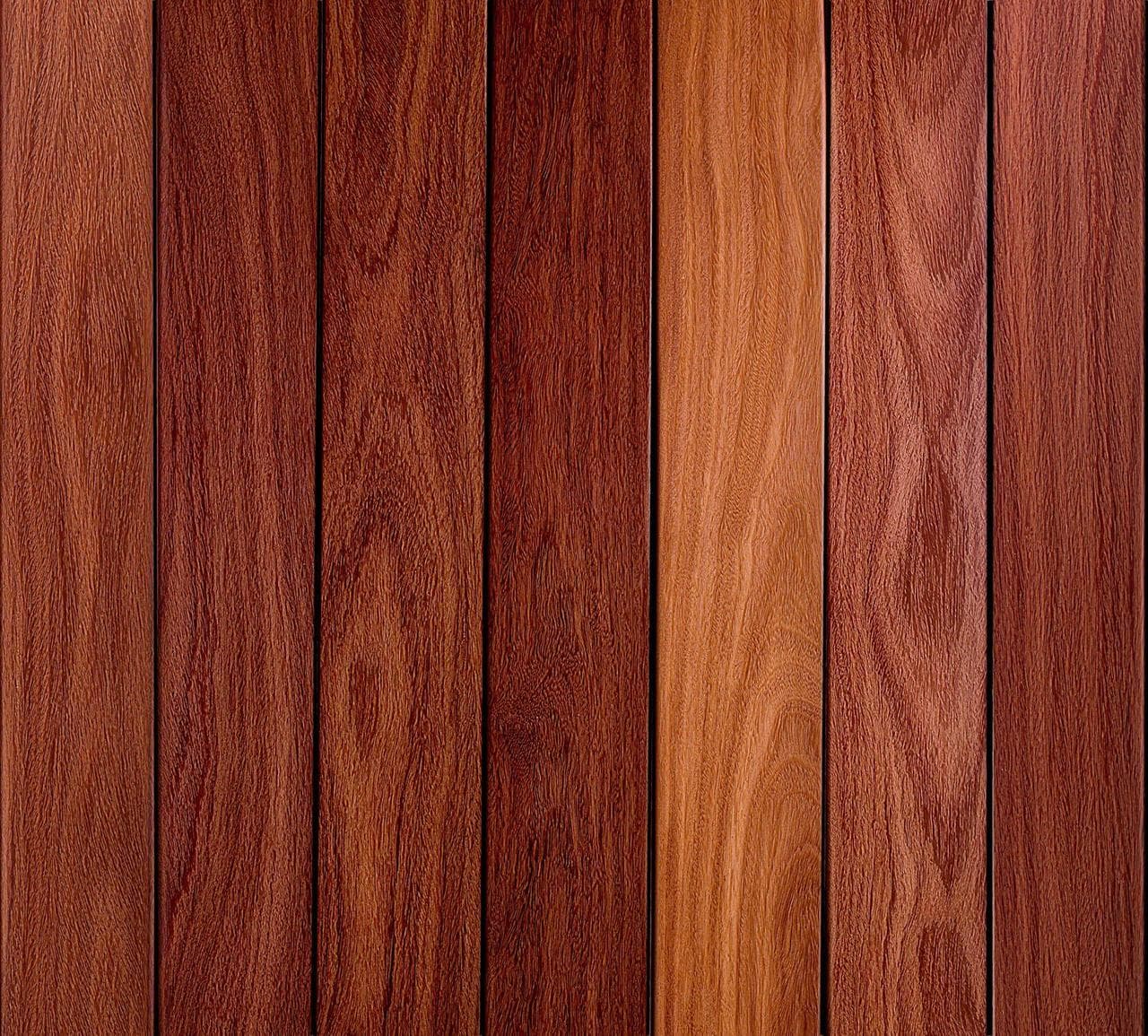
Cumaru deck tiles offer a rich reddish-brown grain, providing a tropical hardwood aesthetic. They are available in standard sizes such as 12 x 12 inches (1 square foot per tile) and 24 x 24 inches (4 square feet per tile). These modular units are designed for quick installation, often interlocking or resting on support systems. Their inherent density and appearance make them a popular choice for terraces, balconies, and rooftops. However, their modular nature means that weight distribution and moisture management need specific attention, particularly when adding heavy items like planters.
The primary function of Cumaru deck tiles is to create a durable, attractive walking surface. They are not designed to be structural elements themselves, but rather to be supported by a stable sub-structure. This distinction is crucial when considering the placement of concentrated loads such as large planters, which can exert significant downward force.
Assessing Weight and Structural Support
Planters, especially when filled with soil, water, and plants, can be surprisingly heavy. Before placing any large planter, it's critical to assess the load-bearing capacity of your deck tile system and the underlying structure. A single large planter can easily weigh hundreds of pounds. This weight needs to be distributed evenly over multiple deck tiles and, more importantly, adequately supported by the sub-structure beneath.
If your Cumaru deck tiles are installed directly on a solid, level concrete slab, the primary concern is the slab's capacity. However, if your tiles are on a pedestal system or a raised deck frame, the weight must be transferred directly to the structural supports. Avoid placing heavy planters directly over the center of a single tile, especially if it's only supported at its corners. Instead, position planters so their weight is distributed over several tiles and aligns with the underlying joists, beams, or pedestal supports.
For very large or numerous planters, consulting a structural engineer is advisable to confirm the deck's capacity. This is particularly important for rooftop terraces or balconies where structural limitations are often more stringent. Never assume that a deck designed for foot traffic can automatically handle significant concentrated loads.
Managing Water Runoff and Drainage
Planters require regular watering, and excess water must drain away effectively without pooling on or under your Cumaru deck tiles. Stagnant water can lead to moisture issues, staining, or even impact the long-term integrity of the deck system or sub-structure. Ensure that all planters have adequate drainage holes. Consider using planter risers or feet to elevate planters slightly off the deck tile surface. This allows for air circulation, prevents water from getting trapped directly under the planter, and helps prevent potential staining from soil or minerals leaching out of the planter.
The drainage system of your overall terrace or balcony also plays a role. Position planters so that their runoff flows towards existing drains or away from the building's foundation. If your deck tiles are part of a pedestal system, ensure that the water can freely flow between and under the tiles to the primary drainage points of the sub-surface. Blocking these pathways with solid-bottomed planters can create localized pooling.
Protecting Your Cumaru Deck Tiles
While Cumaru is a durable hardwood, prolonged exposure to moisture, soil, and fertilizers from planters can potentially lead to discoloration or stains. To minimize this risk, use saucers or trays under planters to catch excess water and soil. However, these trays should also be regularly emptied and cleaned to prevent water from sitting in them and becoming a breeding ground for pests or causing moisture damage to the deck tiles.
Consider using a protective barrier, such as a durable, waterproof mat, placed discreetly under the planter and saucer. This can add an extra layer of protection against scratches and moisture. Periodically moving planters, even slightly, can also help ensure that no single area of the deck tiles is continuously subjected to the same conditions.
Layout and Access Considerations: A Worked Example
Consider a hypothetical terrace measuring 10 feet by 12 feet, paved with 24 x 24 inch Cumaru deck tiles. You plan to add three large square planters, each measuring 20 inches by 20 inches at its base, weighing 150 lbs when filled. The deck tiles are installed on a pedestal system with pedestals at each tile corner, creating a grid.
1. **Tile Coverage:** The 10' x 12' area is 120 square feet. Each 24" x 24" tile covers 4 square feet. You would need 120 / 4 = 30 tiles for full coverage. The layout would be 5 tiles (10 feet / 2 feet) by 6 tiles (12 feet / 2 feet).
Instead, aim to center each planter over the intersection of four Cumaru deck tiles.
3. **Example Layout:** If you place the first planter 12 inches in from one edge and 12 inches in from an adjacent edge, its center would align with the corner where four tiles meet. For a 10'x12' terrace, you could place planters at strategic points, for instance, at the corners of a seating area or to define a pathway. Placing three planters this way means each planter's weight is optimally transferred to the underlying supports. This method ensures that the weight is not borne by the tile itself but by the supporting structure.
4. **Access and Maintenance:** Ensure planters do not block access to essential areas like drains, service hatches, or pathways. Leave enough space around planters for watering, pruning, and cleaning the deck tiles underneath. For example, maintaining at least 12 inches of clear space around each planter allows for easy cleaning and inspection of the deck surface.
Before you order
- Confirm the load-bearing capacity of your deck and sub-structure.
- Choose planters with adequate drainage holes.
- Select planter materials that will not stain or damage Cumaru wood.
- Plan planter locations to align with underlying structural supports.
- Ensure adequate space for water runoff and air circulation under planters.
- Consider using risers or feet to elevate planters.
- Include saucers or trays to catch excess water and soil.
- Plan for easy access to clean under and around planters.
- Determine if planter placement will block access to drains or service areas.
- Review local building codes or condominium rules for weight restrictions on balconies or rooftops.
Confirm installation details, approved uses and warranty terms in the current instructions for the exact product and profile. Your installer should verify the substrate, structure and applicable project requirements.
Questions to help you decide
Can I place very large, heavy planters on Cumaru deck tiles?
Very large or heavy planters require careful planning. It's crucial to understand the load-bearing capacity of your deck's sub-structure, especially if it's a raised system or on a balcony. Position heavy planters so their weight is distributed over multiple deck tiles and directly aligns with underlying structural supports or pedestals. For exceptionally heavy planters, consulting a structural engineer is recommended to ensure safety and prevent damage.
How do I prevent water from damaging my Cumaru deck tiles?
To prevent water damage, ensure all planters have drainage holes and use saucers or trays underneath to catch excess water and soil. Elevate planters slightly using risers or feet to allow for air circulation and prevent water from pooling directly on the tiles. Regularly empty and clean saucers. Ensure your deck's overall drainage system is clear and that planter runoff flows away from the building.
Will planters stain Cumaru deck tiles?
While Cumaru is a dense and durable hardwood, prolonged contact with wet soil, fertilizers, or mineral-rich water from planters can potentially cause discoloration or staining over time. Using saucers or trays, elevating planters, and periodically cleaning the deck surface beneath them can help mitigate this risk. Consider a protective mat underneath for added protection, and periodically move planters to ensure even exposure.
Ready to Enhance Your Terrace with Cumaru Deck Tiles and Planters?
Request a material quote with your project dimensions and desired Cumaru deck tile profile. Confirm current availability and service options to start planning your outdoor oasis. Visit our product page for more details on Cumaru Deck Tiles: /deck-tiles/cumaru
Request a material quote →