Understanding Cumaru Deck Tile Formats
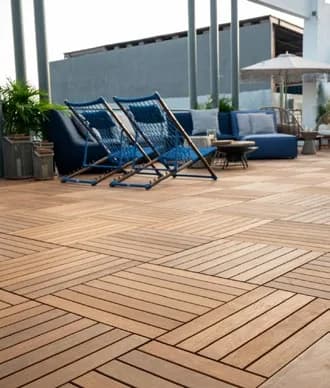
Cumaru deck tiles are available in two primary dimensions: '12 x 12' and '24 x 24'. The '12 x 12' tile measures 12 inches by 12 inches, covering one square foot. This compact size is often suitable for smaller areas, intricate layouts with more edges, or where a higher density of seams is desired for visual texture. The '24 x 24' tile, measuring 24 inches by 24 inches, covers four square feet. This larger format is generally preferred for expansive terraces and open surfaces, as it results in fewer tile seams and can create a more streamlined appearance.
The choice of tile size has practical implications for installation and material quantity. Larger tiles cover more area per unit, potentially reducing installation time for broad, unobstructed spaces. Smaller tiles may offer more flexibility for cutting around irregular shapes or creating complex patterns, but they also require more individual placements. For a large terrace, a mix of sizes might be considered for different zones, though consistency often leads to a more unified look.
Defining Zones and Circulation Paths
A large terrace often serves multiple functions, making it beneficial to define distinct zones. Consider areas for outdoor dining, a lounge space, and clear circulation paths. Cumaru deck tiles can help delineate these zones through layout patterns or by simply providing a continuous, unifying surface. For example, a straight lay pattern can be used for a primary dining area, while a diagonal pattern might define a more relaxed lounging space. However, for a cohesive large terrace, a consistent pattern across all zones often works best, with furniture and landscaping elements defining the individual areas.
Circulation paths are critical for flow and accessibility. Ensure these paths are wide enough for comfortable movement, especially when furniture is in place. If different tile sizes are used, plan transitions carefully to maintain a smooth surface. The layout should also consider how people will move from indoor spaces to the terrace and between different outdoor activity zones.
Planning for Service Access and Drainage
Large terraces frequently incorporate elements requiring service access, such as drains, irrigation controls, or utility boxes. The modular nature of deck tiles allows for strategic placement that maintains access without disrupting the overall aesthetic. Plan your tile layout to ensure that tiles can be removed easily over critical access points. This might involve using a consistent grid that aligns with service elements or planning specific cut tiles that can be lifted.
Effective drainage is paramount for any outdoor surface, especially a large terrace. Cumaru deck tiles are typically installed over a substructure that allows water to drain beneath the surface. Ensure that the underlying slope directs water away from the building and towards appropriate drainage points. The tile layout should not impede this water flow. If using a pedestal system, verify that the pedestals themselves allow for proper drainage and air circulation beneath the tiles, which can help prevent standing water and promote the longevity of the wood.
Worked Example: A 20-foot by 30-foot Terrace
Let's consider a hypothetical large terrace measuring 20 feet by 30 feet, totaling 600 square feet. For this example, we will use '24 x 24' Cumaru deck tiles, each covering 4 square feet. The goal is to create a functional layout that accommodates dining, lounging, and maintains clear pathways.
First, calculate the number of tiles needed for the main area: 600 square feet / 4 square feet per tile = 150 tiles. For a straight lay, the 20-foot width (240 inches) will require 10 tiles (240 inches / 24 inches per tile). The 30-foot length (360 inches) will require 15 tiles (360 inches / 24 inches per tile). This results in a perfect grid of 10x15 tiles, using exactly 150 tiles with no cuts required for the main field.
Now, let's assume there's a 3-foot by 5-foot section near the building entrance that needs to be cut around, and a 2-foot by 2-foot floor drain near one corner. The 3x5-foot section is 15 square feet. This area would require 15 / 4 = 3.75 tiles, meaning 4 tiles would need to be cut. The 2x2-foot drain is 4 square feet, which would correspond to one full tile. However, to maintain access, this tile would need to be specifically removable or cut to allow access to the drain cover. For planning, we would add a buffer for cuts and potential waste, typically 5-10%. For 150 tiles, a 10% buffer adds 15 tiles, bringing the total to 165 tiles.
This example illustrates that even with a simple rectangular area, accounting for cuts, obstacles, and access points is crucial. The total purchase quantity for a 20x30 foot terrace with minor obstacles would be approximately 165 '24 x 24' Cumaru deck tiles. This assumes minimal complex cuts and that any offcuts from perimeter cuts or around obstacles can be reused where appropriate.
Edge Treatments and Transitions
The edges of a large terrace installation are important for both aesthetics and safety. For projects with exposed edges, consider finishing options such as edge trim pieces that complement the Cumaru deck tiles or creating a border with a different material. If the terrace abuts a wall or another fixed structure, ensure a consistent expansion gap is maintained according to manufacturer recommendations. This allows for natural movement of the wood due to temperature and humidity changes.
Transitions between the deck tile surface and other materials, such as a concrete patio or a grassy area, should be planned to be smooth and safe. Thresholds at doorways also need careful measurement to ensure the new deck tile height does not create an obstruction. Consider using transition strips or a slight ramp if there is a significant change in elevation.
Complementary Products for Your Terrace
To enhance your Cumaru deck tile terrace, consider integrating other outdoor products. For example, a robust pedestal system is often essential for creating a level surface over an existing uneven slab or for providing drainage and ventilation beneath the tiles. Look for adjustable pedestals that can accommodate varying heights and slopes. Perimeter planters or built-in seating can further define zones and add greenery. For shaded areas, a pergola or awning can provide comfort. When selecting these items, consider materials that complement the rich tones of Cumaru, such as dark metals or natural stone.
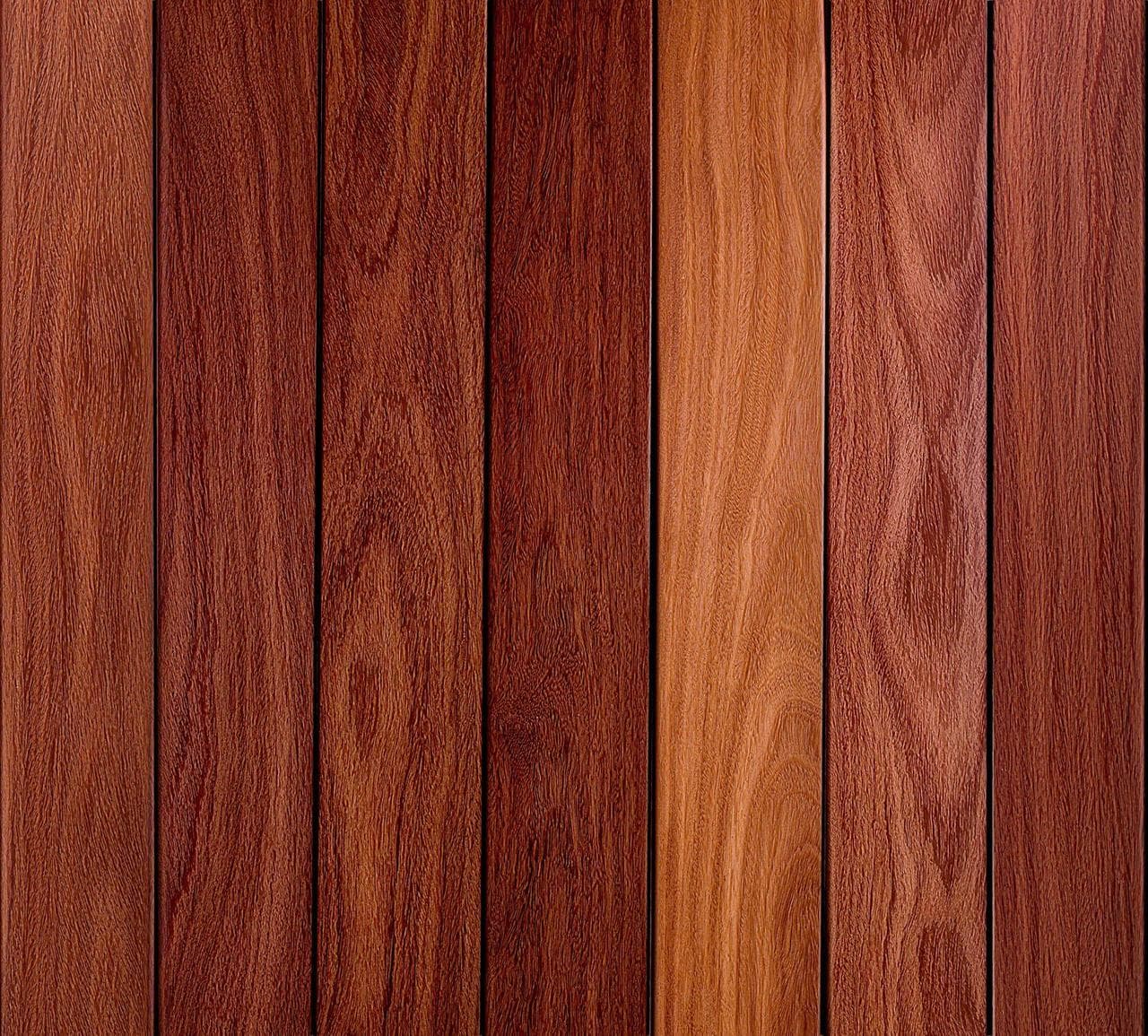
You might also explore other tropical hardwood deck tile options like Ipe deck tiles or Garapa deck tiles, which offer different color profiles and characteristics if you are considering alternative aesthetics or specific performance needs. Ipe provides deep chocolate tones, while Garapa offers warm golden hues. These can be used in different zones, or as an alternative to Cumaru depending on your design preference.
Ensure any complementary products, particularly those involving structural support or drainage, are compatible with the chosen deck tile installation method.
Before you order
- Confirm overall terrace dimensions and identify any fixed obstacles (columns, walls, drains).
- Choose between '12 x 12' or '24 x 24' Cumaru deck tiles based on aesthetic preference and installation efficiency for the large area.
- Sketch out distinct functional zones (dining, lounging, circulation) and how tiles will define or unify them.
- Plan the primary tile layout pattern (e.g., straight lay, diagonal) for the main field.
- Identify all points requiring service access and plan for easily removable tiles over these locations.
- Verify the existing sub-surface slope and drainage plan to ensure water flows away from structures.
- Consider edge treatments and transition details where the deck tiles meet other surfaces or structures.
- Calculate the total number of tiles needed, including a buffer for cuts and waste (typically 5-10%).
- Review potential complementary products like pedestal systems, planters, or other deck tile species for design integration.
Confirm installation details, approved uses and warranty terms in the current instructions for the exact product and profile. Your installer should verify the substrate, structure and applicable project requirements.
Questions to help you decide
Can I mix '12 x 12' and '24 x 24' Cumaru deck tiles on a large terrace?
While technically possible, mixing tile sizes on a large terrace can complicate the visual flow and installation. If you choose to mix, it's often best to use different sizes to clearly delineate distinct zones or create a specific border effect. Ensure that the underlying support system can uniformly accommodate both tile sizes without creating unevenness or structural issues. Most large terrace designs benefit from a consistent tile size for a cohesive look.
How do I ensure proper drainage on a large Cumaru deck tile terrace?
Proper drainage for a large terrace with Cumaru deck tiles starts with the sub-surface. Ensure the underlying concrete slab or roof membrane has an adequate slope (typically 1/8 to 1/4 inch per foot) directing water towards drains. The deck tiles themselves are designed to allow water to pass through the gaps between modules and drain beneath. If using a pedestal system, select pedestals that facilitate water flow and ventilation. Regularly clear any debris from the tile gaps and drains to prevent water accumulation.
What is the best way to handle irregular shapes or curves on a large terrace with Cumaru deck tiles?
Cumaru deck tiles are square modules, making them ideal for rectangular or rectilinear layouts. For irregular shapes or curves, tiles will need to be cut. For gentle curves, tiles can be cut to follow the radius, though this can lead to more visible seams and waste. For sharp angles or complex shapes, it's often more practical to create a straight-edged border or transition zone using other materials, or to accept that more intricate cuts will be required. Always plan cuts to maximize material use and minimize waste, and account for these cuts in your material order.
Ready to Plan Your Cumaru Deck Tile Terrace?
Request a material quote today with your project dimensions, desired Cumaru deck tile profile, and ZIP code to confirm current availability and service options for your large outdoor terrace project.
Request a material quote →