
Understanding Cumaru Deck Tiles
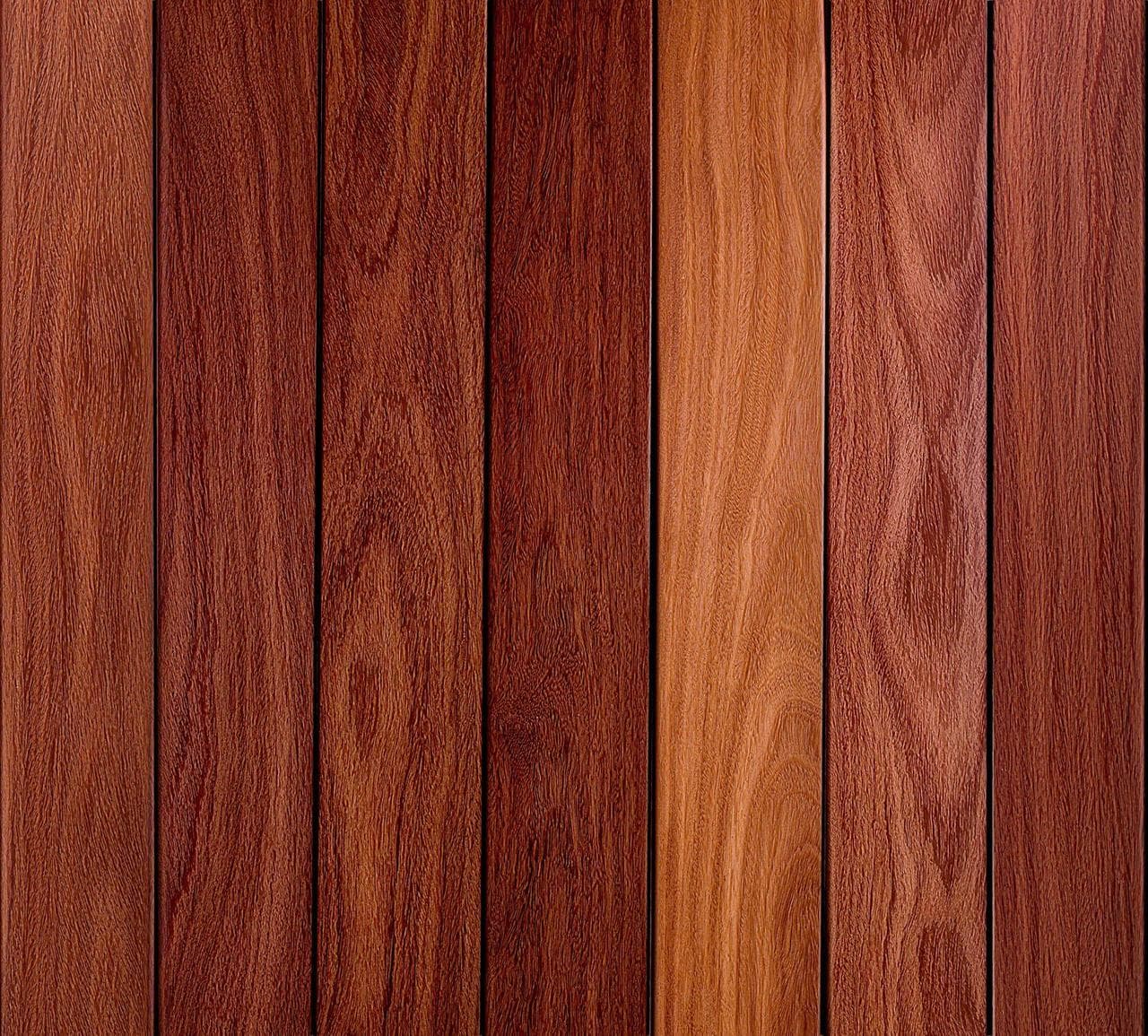
Cumaru deck tiles are crafted from a dense, tropical hardwood, offering a rich reddish-brown grain. They are available in common dimensions such as 12 x 12 inches and 24 x 24 inches. The 12 x 12 inch format is often chosen for smaller areas or layouts with more edges, while the 24 x 24 inch format suits larger, open surfaces with fewer seams.
These tiles are designed to create an elevated, level walking surface, and their inherent qualities make them suitable for outdoor environments. They can be installed directly on a solid, level surface or used with pedestal systems for drainage and leveling on uneven substrates. The specific installation method will depend on the existing concrete patio's characteristics.
Assessing the Concrete Patio's Slope and Drainage
The most crucial factor when installing deck tiles over concrete is the patio's existing slope and drainage. Concrete patios are typically poured with a slight slope, usually 1/4 inch per linear foot, to direct rainwater away from structures. Your deck tile installation must preserve or improve this drainage.
If the concrete patio collects standing water, it indicates a drainage problem that must be addressed before installing deck tiles. Pooling water beneath the tiles can lead to mold, mildew, and potential damage to the concrete or the tile's substructure over time. Confirm that the slope directs water away from your building's foundation and towards a suitable runoff area or drain.
Checking for Surface Soundness and Cracks
Inspect the entire concrete patio surface for cracks, spalling, or significant damage. Minor hairline cracks are often cosmetic, but larger cracks or areas of crumbling concrete can compromise the stability of your deck tile installation.
Large cracks or uneven sections should be repaired prior to tile installation. A smooth, structurally sound surface is essential for consistent tile support. If using a direct-lay method, any significant unevenness will transfer through to the deck tiles, creating an unstable walking surface. For pedestal systems, severe damage might still impact the stability of the pedestals themselves.
Evaluating Existing Obstructions and Transitions
Consider how the new Cumaru deck tile surface will interact with existing elements such as door thresholds, railings, and planters. The added height of the deck tiles and any underlying support system (even a thin one) will raise the walking surface.
Measure the clearance beneath door sweeps to ensure doors can open and close freely. Plan for transitions at the edges of the tiled area, especially if it abuts another surface like a lawn or pathway. Edge profiles or trim pieces may be necessary to create a finished look and prevent tripping hazards.
Installation Method: Direct Lay vs. Pedestal System
For concrete patios that are perfectly level and have excellent drainage, a direct lay installation where tiles are placed directly on the concrete with minimal spacers may be an option. This method relies entirely on the existing concrete's slope for drainage.
However, for most concrete patios, especially those with minor imperfections or a desire for improved drainage and leveling, a pedestal system is often recommended. Pedestals elevate the tiles, creating a cavity for water to drain freely beneath. They also allow for fine-tuning the level of the deck surface, compensating for slight variations in the concrete below. Always confirm that any chosen pedestal system is compatible with the Cumaru deck tiles you select.
Worked Example: Patio Assessment for a 10' x 12' Area
Let's consider a hypothetical 10-foot by 12-foot concrete patio. The homeowner wants to install 24 x 24 inch Cumaru deck tiles. The first step is a thorough assessment:
1. **Slope Check:** Using a long level and a measuring tape, the homeowner measures the slope. From the house wall, across the 10-foot width, the patio drops 2 inches. This translates to 0.2 inches per foot, which is slightly less than the ideal 1/4 inch per foot (0.25 inches per foot) but still provides some drainage. From the 12-foot length, perpendicular to the house, the patio drops 3 inches, or 0.25 inches per foot, which is good.
2. **Drainage Points:** The patio drains into a gravel strip along one 12-foot edge. No standing water is observed after a rain shower, indicating adequate runoff.
3. **Surface Integrity:** A few minor hairline cracks are present, but no significant spalling or crumbling. The surface is mostly smooth. A small, shallow depression (less than 1/8 inch deep) exists near the center, spanning about 1 square foot.
4. **Obstructions:** A sliding glass door threshold is 2 inches high. Each 24 x 24 inch Cumaru deck tile is approximately 1 inch thick.
Based on this assessment, a pedestal system is recommended to address the slight central depression and ensure consistent leveling across the entire surface, despite the generally good existing slope.
The project would also require careful planning for the edge where the tiles meet the gravel strip, possibly using a trim or edge piece to create a clean transition. This example highlights the importance of precise measurements and a detailed plan before purchasing materials.
Before you order
- Is the concrete patio structurally sound with no large cracks, spalling, or crumbling areas?
- Does the concrete patio have an adequate slope (ideally 1/4 inch per linear foot) for water drainage?
- Is there any evidence of standing water or poor drainage on the patio after rain?
- What is the available clearance at door thresholds and other fixed obstructions, considering the thickness of Cumaru deck tiles and any support system?
- Are there existing drains or runoff points that need to remain accessible or be integrated into the new deck design?
- Will a direct-lay method suffice, or is a pedestal system needed to address leveling or drainage requirements?
- Have you considered how the edges of the new tiled area will transition to adjacent surfaces?
Confirm installation details, approved uses and warranty terms in the current instructions for the exact product and profile. Your installer should verify the substrate, structure and applicable project requirements.
Questions to help you decide
Can I install Cumaru deck tiles directly on an uneven concrete patio?
Installing Cumaru deck tiles directly on an uneven concrete patio is not recommended. Unevenness will lead to an unstable and potentially unsafe walking surface. For patios with minor imperfections, a pedestal system is a better choice as it allows for leveling the deck surface. For severely uneven or damaged patios, repair of the concrete substrate might be necessary first.
How do Cumaru deck tiles handle water drainage when placed over concrete?
When Cumaru deck tiles are placed over concrete, drainage depends on the installation method. If directly laid, the tiles rely entirely on the concrete's existing slope. For optimal drainage, especially on patios with less-than-ideal slopes or to create an air gap, a pedestal system is recommended. Pedestals elevate the tiles, allowing water to flow freely beneath the deck surface and drain away from the structure.
Do I need to seal my concrete patio before installing Cumaru deck tiles?
While not strictly required for the deck tile installation itself, sealing your concrete patio can offer benefits. A sealant can help protect the concrete from moisture, reduce efflorescence, and make it easier to clean if water pools beneath the tiles. However, the primary focus should be on ensuring proper drainage to prevent water accumulation in the first place, whether sealed or not.
Ready to Transform Your Patio with Cumaru Deck Tiles?
Request a material quote today. Provide your project dimensions, desired Cumaru deck tile profile (e.g., 12x12 or 24x24), and your ZIP code to confirm current availability and service options. Our team can help you plan for a successful installation.
Request a material quote →