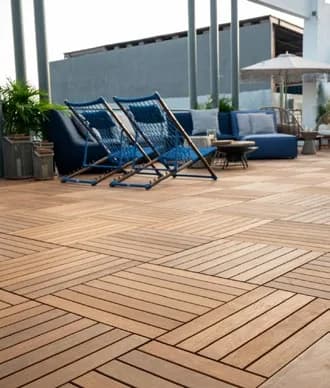
Understanding Cumaru Deck Tiles for Outdoor Applications
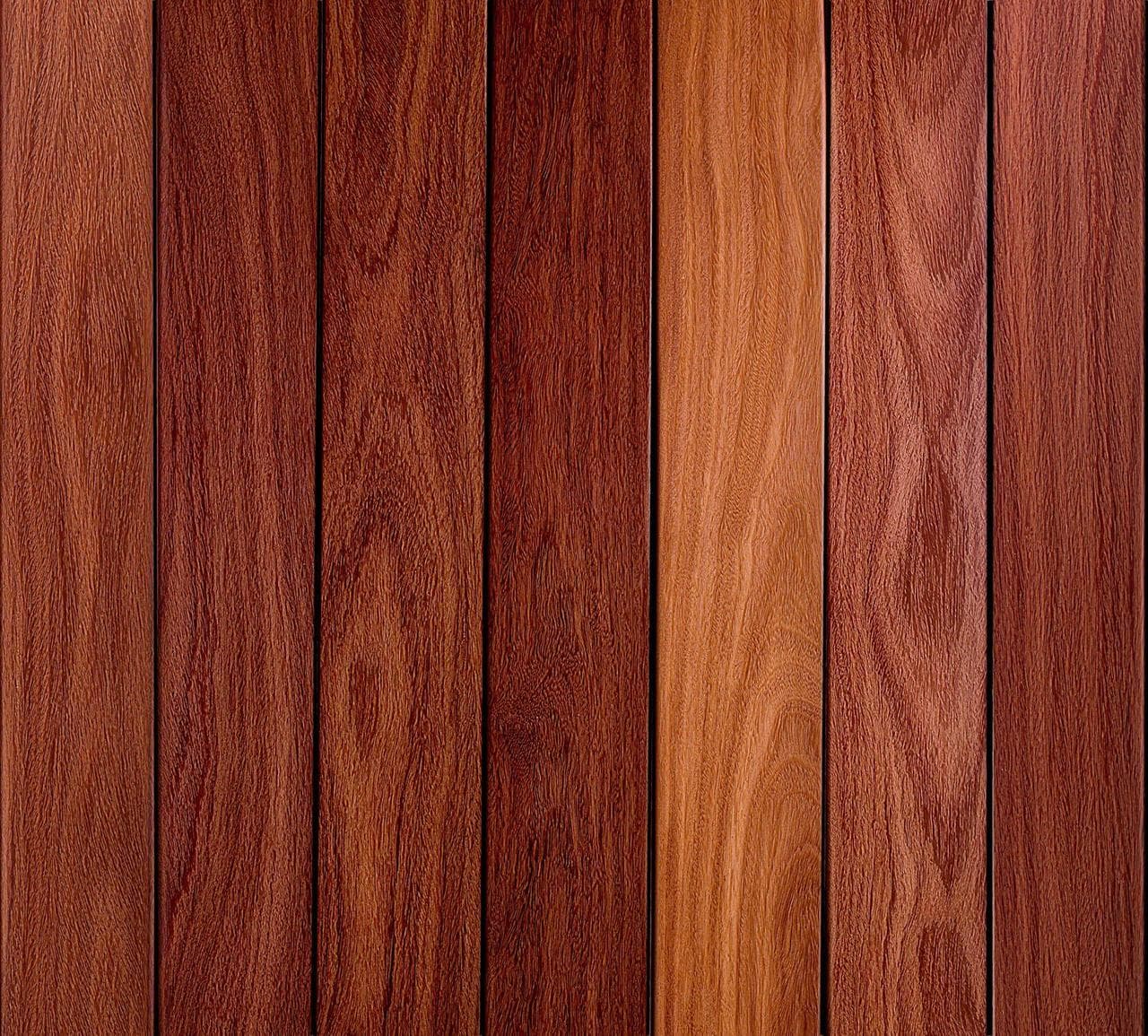
Cumaru, often referred to as Brazilian Teak, is a tropical hardwood known for its density and natural resistance, which makes it suitable for exterior use. Its rich reddish-brown color and distinctive grain pattern contribute to a classic, elegant appearance. Cumaru deck tiles are available in common dimensions like 12 x 12 inches (1 square foot per tile) and 24 x 24 inches (4 square feet per tile), offering flexibility for various project sizes and layouts.
While Cumaru is a robust material, its suitability for specific environmental conditions like coastal exposure depends on careful planning of the entire assembly, particularly the fastening system.
Assessing Your Project's Coastal Exposure Level
Coastal environments are not uniform, and the degree of salt exposure can vary significantly even within a few miles of the shoreline. Before selecting Cumaru deck tiles, assess your project's specific coastal conditions:
Direct Seawater Spray: Projects directly on the waterfront, such as a pier or a very low-lying deck, will experience direct salt spray and potentially submersion. This is the most aggressive exposure level.
Wind-Blown Salt Mist: Properties within a few blocks of the ocean, especially those with open exposure to prevailing winds, will encounter airborne salt mist. This can deposit corrosive salt particles on surfaces.
Elevated Humidity and Indirect Salt: Locations further inland but still within the coastal zone may primarily deal with elevated humidity and occasional, lighter salt residue from very strong winds. This is a milder form of coastal exposure.
Your assessment should also consider the height of your project. A rooftop terrace will likely experience more wind-blown salt mist than a ground-level patio in the same immediate vicinity.
Selecting Corrosion-Resistant Fasteners and Hardware
The primary concern for Cumaru deck tile installations in coastal areas is not the wood itself, but the metal fasteners and hardware used in the assembly. Saltwater and salt-laden air are highly corrosive to many metals. Choosing the correct fasteners is critical to the longevity and safety of your deck tile system.
Stainless steel is generally recommended for outdoor applications, but for coastal environments, specific grades are necessary. Type 316 stainless steel offers superior corrosion resistance compared to Type 304, especially in marine and saltwater environments. This applies to screws, clips, joist hangers, and any other metal components that will be exposed to the elements.
Consider the entire support structure and any connecting components; all exposed metal should meet the same corrosion resistance standard.
Worked Example: Fastener Quantity for a Coastal Balcony
Consider a 10-foot by 8-foot balcony in a location with moderate wind-blown salt mist. The project will use 24 x 24 inch Cumaru deck tiles. Each 24 x 24 inch tile covers 4 square feet. The total area is 80 square feet (10 ft x 8 ft).
Number of tiles needed: 80 sq ft / 4 sq ft per tile = 20 tiles. Assuming a straight grid layout with minimal cuts, 20 tiles would be purchased.
This means 20 tiles * 4 clips/tile = 80 clips.
This example illustrates that the quantity of fasteners can add up quickly. It's essential to specify Type 316 stainless steel for all these components, as standard galvanized or lower-grade stainless steel may corrode prematurely in this coastal setting. Always consult the specific deck tile system's installation guide for exact fastening requirements and recommended hardware, and confirm that all specified metal components are suitable for marine exposure.
Maintenance Considerations for Coastal Cumaru Deck Tiles
While Cumaru is a durable wood, coastal exposure requires a tailored maintenance approach to preserve its appearance and integrity. Regular cleaning is paramount. Salt residue can attract moisture and lead to staining or accelerated wear on the wood surface and fasteners.
Periodically rinse the deck tiles with fresh water to remove salt deposits. For stubborn grime, a mild, pH-neutral cleaner specifically designed for wood deck tiles can be used. Avoid harsh chemicals or abrasive cleaning tools. If you choose to apply a finish to maintain Cumaru's reddish-brown color, select a marine-grade oil or sealer that offers UV protection and is formulated to withstand salt air and moisture. Unfinished Cumaru will gradually weather to a silvery-gray patina, which is a natural process for tropical hardwoods.
Regularly inspect the fasteners and the overall assembly for any signs of corrosion, loosening, or wear. Address any issues promptly to prevent minor problems from escalating.
Before you order
- Assess the specific level of salt exposure for your project (direct spray, mist, or indirect humidity).
- Verify the compatibility of Cumaru deck tiles with any chosen pedestal or subframe system, ensuring all components are coastal-appropriate.
- Plan for regular rinsing with fresh water to remove salt deposits from the deck tile surface and fasteners.
- Decide whether to let Cumaru weather naturally or apply a marine-grade finish for color retention, understanding the maintenance commitment for each.
- Review any manufacturer's specific recommendations or warranty conditions for coastal installations.
Confirm installation details, approved uses and warranty terms in the current instructions for the exact product and profile. Your installer should verify the substrate, structure and applicable project requirements.
Questions to help you decide
Will Cumaru deck tiles warp or crack due to salt exposure?
Cumaru is naturally dense and stable, making it resistant to warping and cracking under normal conditions. The primary concern in coastal environments is not the wood itself warping from salt, but rather the cumulative effect of salt and moisture on the wood's surface appearance and the corrosion of fasteners. Proper cleaning and maintenance are key to mitigating these effects.
Do I need special cleaning products for Cumaru deck tiles in a coastal area?
For routine cleaning, a simple rinse with fresh water is often sufficient to remove salt spray and light dirt. For deeper cleaning, use a mild, pH-neutral wood cleaner. Avoid harsh chemicals that could strip natural oils or damage the wood. Always follow the product manufacturer's instructions for any cleaning solutions or finishes.
Can I use Cumaru deck tiles directly on a sandy beach or pier?
While Cumaru is highly durable, direct exposure to constant seawater and sand abrasion on a beach or pier introduces extreme conditions. For such specific and aggressive environments, a comprehensive structural and material review by a qualified professional is essential. The focus shifts beyond just the deck tile material to the entire sub-structure and fastening system, which must be engineered for continuous marine immersion or heavy tidal action. Always confirm local regulations and engineering requirements for such installations.
Request a Quote for Cumaru Deck Tiles for Your Coastal Project
Ready to enhance your coastal outdoor space with Cumaru deck tiles? Provide your project dimensions, desired tile profile (12x12 or 24x24), and ZIP code. Our team can help you confirm current availability and service options for your location. You can also explore our other tropical hardwood deck tile options like Ipe and Garapa.
Request a material quote →