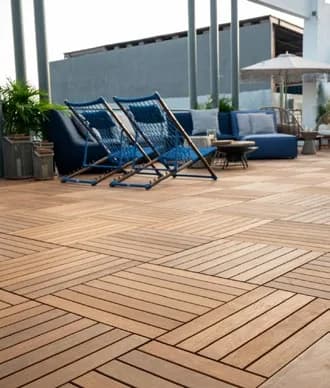
Understanding Cumaru Deck Tiles
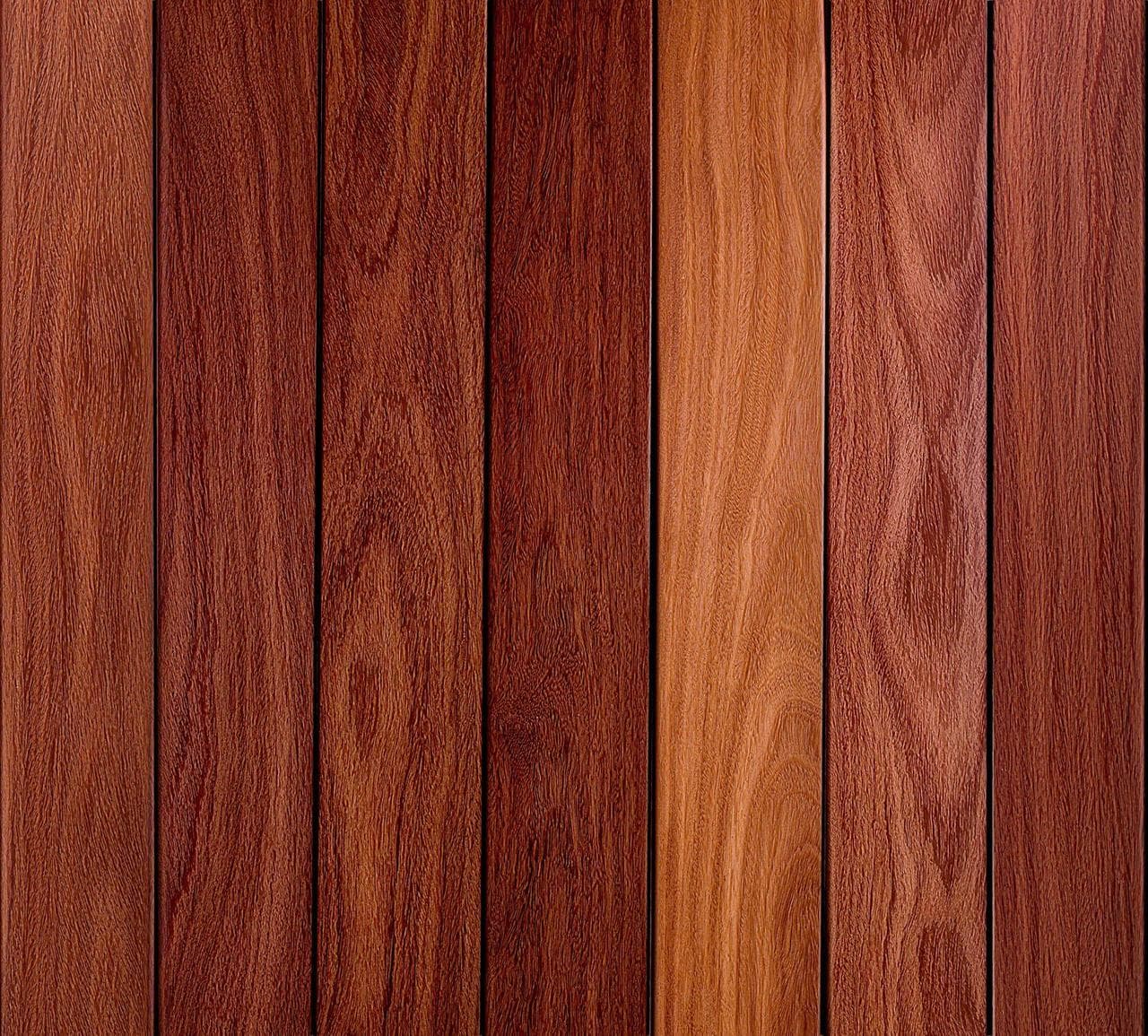
Cumaru is a tropical hardwood known for its reddish-brown grain and robust character. It offers a natural, sophisticated look that can significantly enhance an outdoor space. Lumber Plus offers Cumaru deck tiles in two common sizes: 12 x 12 inches (1 square foot per tile) and 24 x 24 inches (4 square feet per tile). The choice between these sizes can influence the visual scale and the number of seams in your final layout.
These tiles are designed for outdoor use, providing a durable surface that can withstand various weather conditions. Their modular nature makes them suitable for DIY projects and allows for easier installation and potential removal, which can be a key benefit for apartment living.
You can explore the Cumaru deck tiles and other options at our product page: [https://www.lumberplus.com/deck-tiles/cumaru](https://www.lumberplus.com/deck-tiles/cumaru)
Navigating Apartment and Building Permissions
Before selecting any materials, the first and most critical step is to consult your apartment building's management or homeowner's association (HOA) for approval. Many buildings have strict rules regarding alterations to common areas or visible exterior elements, including balconies. You will likely need to submit a formal request that outlines your plans.
Key information to provide includes the type of material (Cumaru deck tiles), the installation method (e.g., floating installation, no permanent adhesives), the weight of the proposed installation, and any maintenance plans. Be prepared to discuss drainage implications and how the installation will not impede water flow or affect the building's structure. Some buildings may require specific insurance or professional installation, even for a simple tile project.
Addressing Balcony Thresholds and Door Clearance
A common challenge on apartment balconies is the height difference between the interior floor and the balcony slab, often dictated by a door threshold. Cumaru deck tiles, when installed directly on the balcony surface, will add a certain height.
Measure the clearance under your balcony door when fully open. Ensure that the added height of the deck tiles will not interfere with the door's operation. It is essential to maintain proper door function and avoid creating a tripping hazard.
Ensuring Proper Drainage and Water Management
Balconies are designed with a slight slope to direct rainwater towards drains or away from the building. Your deck tile installation must not impede this critical drainage. Deck tiles typically allow water to flow through the gaps between them and underneath to the existing balcony surface.
Before installation, thoroughly clean the existing balcony surface to ensure drains are clear. Plan your tile layout to ensure that any existing drains are not completely covered or obstructed, allowing for easy access for cleaning if needed. If your balcony has perimeter drains, ensure the tiles do not create a dam that traps water against the building. The goal is to maintain the original drainage path and prevent standing water beneath the tiles, which could lead to moisture issues.
Designing Your Balcony Layout and Furniture Placement
Once the practicalities are addressed, you can focus on transforming your balcony into a functional outdoor room. Consider how you intend to use the space: for dining, lounging, gardening, or a combination. This will inform your layout.
For smaller balconies, the 12 x 12 inch Cumaru tiles can be effective, offering a compact grid that adapts well to irregular shapes or numerous cuts. For larger, more open balconies, the 24 x 24 inch tiles can create a more expansive feel with fewer visible seams. Think about furniture placement: where will a small bistro set go? Can you fit a compact lounge chair? Planters can add greenery but consider their weight and ensure they are placed appropriately, especially on a raised deck tile surface. Avoid placing extremely heavy items that could concentrate weight on a single tile or compromise the underlying structure without prior engineering review.
Complementary products to consider include: [https://www.lumberplus.com/deck-tiles](https://www.lumberplus.com/deck-tiles) [https://www.lumberplus.com/deck-tiles/ipe](https://www.lumberplus.com/deck-tiles/ipe) [https://www.lumberplus.com/deck-tiles/garapa](https://www.lumberplus.com/deck-tiles/garapa)
Worked Example: A 6-foot by 10-foot Balcony
Let's consider a hypothetical apartment balcony measuring 6 feet (72 inches) by 10 feet (120 inches). We'll use 24 x 24 inch Cumaru deck tiles.
First, calculate the total area: 6 ft * 10 ft = 60 square feet. Each 24 x 24 inch tile covers 4 square feet. So, 60 sq ft / 4 sq ft/tile = 15 tiles for area coverage.
Now, consider the dimensions. Along the 6-foot (72-inch) width, you'll need 72 inches / 24 inches/tile = 3 tiles. Along the 10-foot (120-inch) length, you'll need 120 inches / 24 inches/tile = 5 tiles. So, a total of 3 * 5 = 15 tiles are needed for a perfect fit, assuming no waste from cuts.
However, real-world installations often require cuts for edges or obstructions. For this example, if the balcony is exactly 6x10 feet with no obstructions, 15 tiles would cover the space. It's always advisable to order a small percentage extra (e.g., 5-10%) for cuts, mistakes, or future replacements. This would mean ordering 16 or 17 tiles.
Before ordering, measure your actual balcony dimensions precisely, including any irregular features, columns, or areas around drains. This will help determine the exact quantity of tiles and any necessary cuts.
Before you order
- Obtain written permission from building management/HOA before purchasing materials.
- Measure balcony dimensions accurately, noting any irregularities, columns, or drains.
- Check door threshold clearance to ensure deck tiles will not obstruct door operation.
- Verify the existing balcony surface has proper drainage and that drains are clear.
- Determine the primary use of the balcony (dining, lounging, gardening) to guide layout.
- Select Cumaru tile size (12x12 or 24x24) based on balcony size and desired aesthetic.
- Plan furniture arrangement, considering weight distribution and space constraints.
- Calculate the number of tiles needed, adding a small percentage for cuts and spares.
- Consider the aesthetic impact of the rich reddish-brown Cumaru grain on your overall design.
Confirm installation details, approved uses and warranty terms in the current instructions for the exact product and profile. Your installer should verify the substrate, structure and applicable project requirements.
Questions to help you decide
Are Cumaru deck tiles suitable for all apartment balconies?
Cumaru deck tiles are suitable for many apartment balconies, but suitability depends on building regulations, the structural integrity of your balcony, and proper drainage. Always secure permission from your building management or HOA first and ensure the balcony can support the additional weight. The surface beneath should be relatively flat and allow for proper water runoff.
How do Cumaru deck tiles affect drainage on a balcony?
Cumaru deck tiles are designed to allow water to drain through the gaps between them and flow underneath to the existing balcony surface. It's crucial that the original balcony surface maintains its slope and that existing drains are not blocked. The tiles should not create standing water or impede the natural flow of water off the balcony.
Can I install Cumaru deck tiles myself on an apartment balcony?
Many Cumaru deck tile systems are designed for straightforward, floating installation without adhesives, making them suitable for DIY projects. However, always check your building's rules, as some may require professional installation. Ensure you have the right tools for any necessary cuts and follow manufacturer guidelines for a secure and level installation.
Ready to Transform Your Balcony?
Request a material quote today with your project dimensions, exact Cumaru tile profile preference, and ZIP code. We can help you confirm current availability and service options for your project.
Request a material quote →