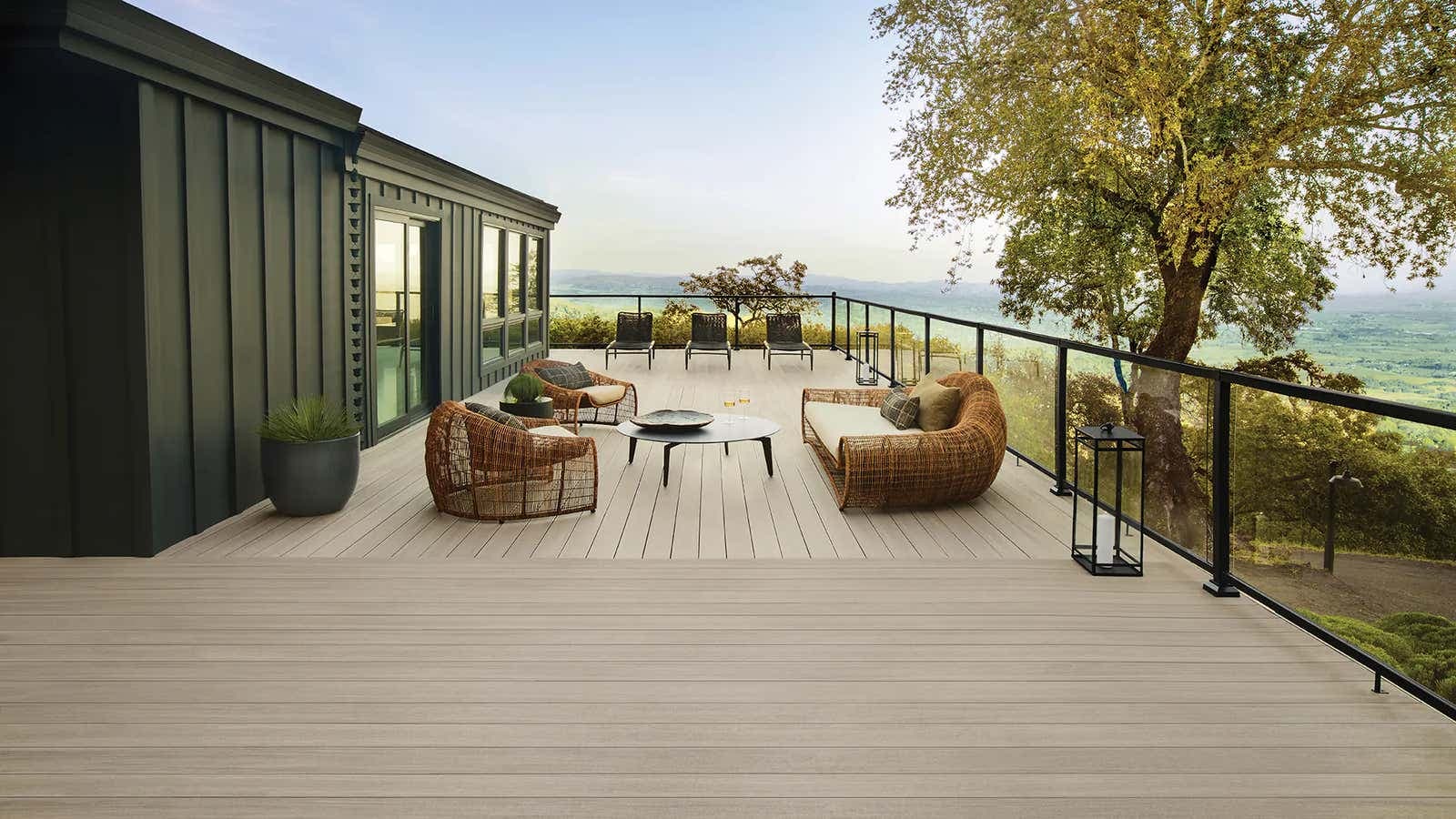
Understanding Compact Outdoor Spaces in Norfolk, VA
Compact outdoor spaces in Norfolk, VA often present unique design and logistical challenges. These can include narrow side yards, small backyard patios, balconies, or rooftop decks. The goal is typically to create a versatile area for relaxation, dining, or container gardening without overwhelming the limited footprint. Key considerations include optimizing vertical space, ensuring adequate drainage, and selecting materials that perform well in varying sun exposure and humidity.
For these smaller areas, the visual impact of the decking material is magnified. A well-chosen composite deck can make a space feel larger and more cohesive, while a poorly planned one might make it feel cramped. Material selection also impacts the long-term usability and required maintenance, which is particularly relevant when access for cleaning or repairs might be restricted.
Why Composite Decking Suits Smaller Projects
Composite decking, available from manufacturers like Trex, TimberTech, and Fiberon, is engineered for consistency and minimal upkeep, making it a suitable choice for compact outdoor areas. Unlike natural wood, composite boards offer uniform color and grain, which can contribute to a more streamlined and contemporary look often desired in smaller spaces.
The low-maintenance nature of composite decking is a significant advantage. It typically requires only an annual soap-and-water wash, eliminating the need for regular sanding, staining, or oiling. This reduces the time and effort required for upkeep, a benefit in spaces where accessing all parts of the deck for maintenance might be cumbersome. Some collections also offer cooler-underfoot options and capped shells that resist humidity, which can be beneficial in Norfolk's climate.
Many composite decking products also incorporate recycled content, such as sawdust and plastic film, which may appeal to those looking for materials with a sustainability angle. This combination of durability, aesthetic consistency, and reduced maintenance makes composite decking a practical option for maximizing compact outdoor living.
Selecting the Right Composite Decking Profile
The profile of your composite decking boards refers to their shape and dimensions. For compact spaces, certain profiles can offer advantages in terms of aesthetics and installation. Standard solid or hollow boards are common. Wider boards can sometimes make a small space feel expansive by reducing the number of visible seams, while narrower boards might create a more intricate pattern.
Consider the visual effect: a consistent profile can create a sense of order and openness. The choice of board length also matters; minimizing butt joints can contribute to a cleaner, uninterrupted look, especially in linear compact spaces. It's important to verify the specific profile and dimensions of the chosen composite decking collection, as these can vary between manufacturers and product lines.
Planning for Support Systems and Substructures
The support system beneath your composite deck is fundamental, regardless of deck size. For compact spaces, especially those at ground level or on concrete slabs, low-profile support options might be necessary to maintain a minimal deck height. Traditional joist and beam construction is common, but for very low-clearance applications, specialized sleepers or adjustable pedestals may be considered, depending on the specific product's requirements and local building practices. Always confirm the manufacturer's approved support spacing and methods.
Adequate ventilation beneath the deck is crucial for the longevity of both the composite boards and the substructure, particularly in humid environments like Norfolk. Even in compact areas, ensuring proper airflow helps prevent moisture buildup. The specific gap requirements between boards, as well as the design of the deck perimeter, should facilitate this ventilation. Consult the composite decking manufacturer's installation guide for precise recommendations on substructure materials, spacing, and ventilation.
Worked Example: A Compact 8x10 Foot Deck
Let's consider a hypothetical compact outdoor space, an 8-foot by 10-foot area adjacent to a Norfolk townhome, intended for a small bistro set and a few potted plants.
For the 10-foot length, using 12-foot boards means no butt joints are needed along the length, creating a clean look. To cover the 8-foot width, we divide 8 feet (96 inches) by the board width of 5.5 inches, which gives approximately 17.45 boards. Since we can't use a fraction of a board, we would need 18 full boards. Therefore, for this 8x10 area, you would need 18 boards, each 12 feet long. This calculation provides 216 linear feet of decking material. The total square footage is 80 sq ft, but the purchase quantity is based on full board lengths to minimize cuts and waste. Reusable offcuts from the 12-foot boards (2 feet per board) could potentially be used for stair treads or other small elements if the project includes them, but this example focuses solely on the main deck surface.
This example illustrates how precise measurements and board dimensions influence the quantity needed and minimize waste in a compact space.
Finishing Touches and Complementary Products
For a compact outdoor space, coordinating the decking with other elements is key. Fascia boards and trim pieces, often available in matching composite materials, provide a finished edge and can hide the substructure. Consider low-profile planters or built-in seating that integrate with the deck design to maximize usable floor space.
Lighting is also critical. Integrated deck lighting or low-voltage path lighting can enhance the ambiance and safety of a small deck without taking up valuable surface area. Explore options like composite stair treads for any steps, or PVC trim for coordinating accents (see:
Decking materials from other categories, such as
hardwood decking
or
PVC decking
, might offer different aesthetic or performance characteristics to consider alongside composite options, depending on specific project requirements and preferences. For example,
Ipe hardwood decking
is known for its density and natural resistance, while PVC decking can offer an alternative synthetic option.
Before you order
- Measure your compact outdoor space precisely, noting any existing structures or obstacles.
- Determine the desired finished deck height and assess substructure options (traditional joists, sleepers, pedestals).
- Research composite decking collections from Trex, TimberTech, and Fiberon, comparing profiles, colors, and textures.
- Verify manufacturer-specific installation requirements, including joist spacing and ventilation.
- Calculate the required number of boards based on your chosen profile and project dimensions.
- Consider complementary products like matching fascia, lighting, and low-profile furniture.
- Plan for site access for material delivery and construction, especially in tight Norfolk urban settings.
Confirm installation details, approved uses and warranty terms in the current instructions for the exact product and profile. Your installer should verify the substrate, structure and applicable project requirements.
This is a planning guide for projects in Norfolk, VA. Ask our team to confirm availability, delivery to your ZIP code and which branch can support your order.
Questions to help you decide
Can composite decking be installed directly on concrete in a compact space?
Installing composite decking directly on concrete is generally not recommended without a proper substructure to allow for drainage and ventilation. Moisture trapped beneath the deck can lead to issues with both the decking and the concrete. Always refer to the specific manufacturer's installation guidelines for approved low-profile substructure methods, which might include sleepers or specialized pedestal systems that ensure adequate airflow.
How do I choose a color for composite decking in a small area?
For compact spaces, lighter colors can often make the area feel more open and expansive, reflecting light rather than absorbing it. However, darker colors can create a sophisticated, intimate feel. Consider the amount of sun exposure the deck receives; some darker composite colors can get hotter in direct sunlight. It's often helpful to view physical samples in your specific outdoor lighting conditions before making a final decision.
What maintenance is required for composite decking in a compact outdoor space?
Composite decking is designed for low maintenance. Typically, it requires an annual cleaning with soap and water to remove dirt, pollen, and debris. Regular sweeping to prevent leaf litter and other organic matter from accumulating is also beneficial, especially in compact areas where debris might settle more readily. Avoid harsh chemicals or abrasive cleaners unless specifically approved by the manufacturer.
Start Your Compact Deck Project in Norfolk, VA
Ready to transform your compact outdoor space with composite decking? Request a material quote today. Provide your project dimensions, desired composite decking profile, and project ZIP code to confirm current availability and service options. Our team can assist with material selection and quantity estimates for your specific project.
Request a material quote →