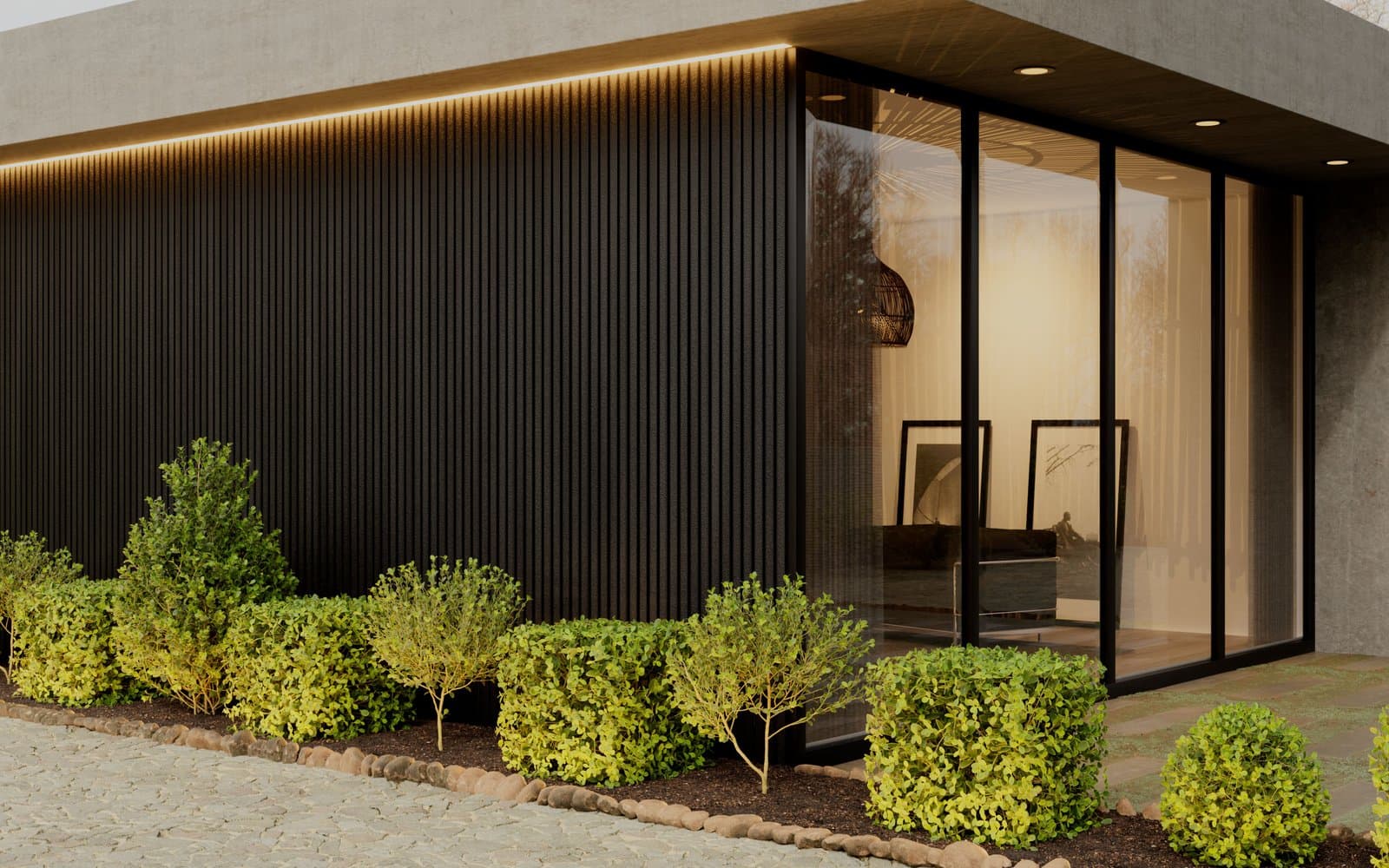
Understanding Coastal Exposure for Cladding
Coastal environments are characterized by several factors that can accelerate wear on exterior building materials. These include high levels of airborne salt, which can be corrosive to some metals and finishes; increased UV radiation, which can lead to fading and degradation; and strong winds, which can stress cladding connections. The degree of exposure varies significantly based on proximity to the water, local topography, and prevailing wind patterns. A direct oceanfront property will experience more severe conditions than a home a few miles inland.
When planning for a coastal elevation, it is important to consider the specific microclimate of your site. This involves observing how wind, sun, and salt interact with the building's exterior. Understanding these localized conditions helps in selecting appropriate materials and detailing the installation to enhance durability.
NORX Composite vs. PVC for Coastal Applications
NORX offers two primary material types: wood-plastic composite (WPC) and PVC. All NORX composite collections (Paris, Rio, Rome, London, Los Angeles, New York) feature 95% recycled content and are capped on three or four sides, depending on the collection. This capping is designed to protect the core from moisture and other environmental factors. The Barcelona Collection is made from PVC.
For coastal applications, the inherent resistance of both composite and PVC to rot and termites is a distinct advantage compared to some traditional wood products. The capped surface of the composite boards and the composition of PVC boards are intended to provide a barrier against moisture intrusion. The Barcelona PVC collection is noted for its resiliency and offers a longer warranty.
While both materials are designed for exterior use, the specific performance in highly corrosive salt-spray environments should be verified. The material's resistance to fading under intense UV exposure, common in coastal areas, is also a key consideration. NORX states that its Los Angeles Collection features advanced technology for resistance to moisture and fading. For the most demanding coastal exposures, the Barcelona PVC collection may be a stronger candidate due to its material properties and extended warranty.
Fastening and Substructure for Coastal Walls
NORX Cladding utilizes a hidden clip fastening system on furring. In coastal areas, the choice of fasteners and the integrity of the substructure are critical. Salt spray can accelerate corrosion of standard metal fasteners, potentially compromising the cladding's attachment over time. It is crucial to specify corrosion-resistant fasteners, such as stainless steel, that are suitable for marine environments.
The substructure, typically furring strips, must also be robust and properly installed to resist strong winds. A rainscreen assembly, which includes an air gap behind the cladding, is highly recommended for coastal elevations. This design allows for drainage and ventilation, preventing moisture from becoming trapped and reducing the risk of mold or degradation of the wall assembly. Ensure that the furring material itself is resistant to moisture and rot, or adequately protected.
Color Selection and Appearance Retention
Coastal sunlight can be intense, and UV radiation can contribute to the fading of exterior materials over time. NORX offers a range of colors across its collections, from dark grays and browns to lighter shades. For coastal projects, consider how color choices might affect the long-term appearance.
While NORX composite boards are designed for resistance to fading, all exterior materials will experience some degree of weathering. Lighter colors may show less noticeable fading than darker colors, or alternatively, a weathered aesthetic might be embraced. It is advisable to obtain physical samples of your chosen NORX color to observe them in natural light on your specific site before making a final decision. The Los Angeles Collection is specifically noted for its advanced resistance to fading.
Installation Planning for Durability
Proper installation is paramount for NORX Cladding in a coastal environment. This includes ensuring adequate clearance from the ground to prevent moisture wicking, precise detailing around windows and doors to prevent water intrusion, and correctly installing the hidden clip system according to manufacturer guidelines.
Consider the expansion and contraction of the material due to temperature fluctuations, which can be significant in some coastal climates. While composite and PVC materials generally exhibit less movement than solid wood, proper gapping and detailing are still necessary. Always refer to the specific installation instructions provided with the NORX product selected to ensure compliance and maximize performance in a demanding coastal setting.
Worked Example: Cladding a Coastal Gable End
Consider a hypothetical coastal home with a gable end wall, 20 feet wide at its base and rising 12 feet to the peak, to be clad with NORX London Collection in Oxford Dark Gray. This elevation is directly exposed to prevailing ocean winds and salt spray. The total area of the gable is (20 ft * 12 ft) / 2 = 120 square feet.
For this project, we would specify NORX London Collection boards and ensure that all fastening clips and screws are stainless steel for corrosion resistance. All cut ends of the NORX boards would be sealed according to manufacturer recommendations. Given the intense coastal sun, choosing the Oxford Dark Gray color means understanding that some subtle weathering and color shift might occur over many years, despite the material's resistance to fading.
Before you order
- Assess your specific coastal exposure: direct oceanfront, sheltered bay, or inland proximity?
- Review NORX material options: Composite (3 or 4 sides capped) vs.
- Confirm fastener material: Specify stainless steel fasteners appropriate for marine environments.
- Plan the substructure: Incorporate a rainscreen assembly with an adequate air gap and moisture-resistant furring.
- Consider color retention: Evaluate how your chosen NORX color may perform under intense UV exposure.
- Verify installation details: Ensure proper ground clearance, flashing around openings, and expansion/contraction allowances.
- Obtain physical samples: View samples on site to assess color and texture in natural light.
Confirm installation details, approved uses and warranty terms in the current instructions for the exact product and profile. Your installer should verify the substrate, structure and applicable project requirements.
Questions to help you decide
Is NORX Cladding resistant to salt spray?
NORX composite and PVC boards are designed for exterior applications and are resistant to rot and termites. While the capped surfaces of composite and the composition of PVC provide a barrier against moisture, specific salt spray resistance should be confirmed with product documentation for your chosen collection. Using corrosion-resistant fasteners is crucial in coastal environments.
Do I need special fasteners for NORX Cladding in coastal areas?
Yes, it is highly recommended to use corrosion-resistant fasteners, such as stainless steel, for NORX Cladding installed in coastal environments. Salt spray can accelerate the corrosion of standard fasteners, which could compromise the long-term integrity of the installation.
Can NORX Cladding be installed directly onto exterior sheathing in a coastal zone?
For coastal applications, it is strongly recommended to install NORX Cladding over a furring strip system to create a rainscreen assembly. This air gap promotes drainage and ventilation, which is vital in humid, salt-laden environments to manage moisture and enhance the durability of the entire wall system. Direct installation without an air gap may trap moisture and is generally not advised for demanding coastal exposures.
Ready to Plan Your Coastal NORX Cladding Project?
Request a material quote with your project dimensions, desired NORX profile, and ZIP code. We can help you confirm current availability and service options for your specific needs.
Request a material quote →