Why Ipe for a Courtyard Outdoor Room?
Ipe, also known as Brazilian walnut, is a dense hardwood known for its strength and natural resistance to elements. In a courtyard setting, where space can be more defined and potentially subject to varying levels of sun exposure and moisture, Ipe's inherent properties can be beneficial.
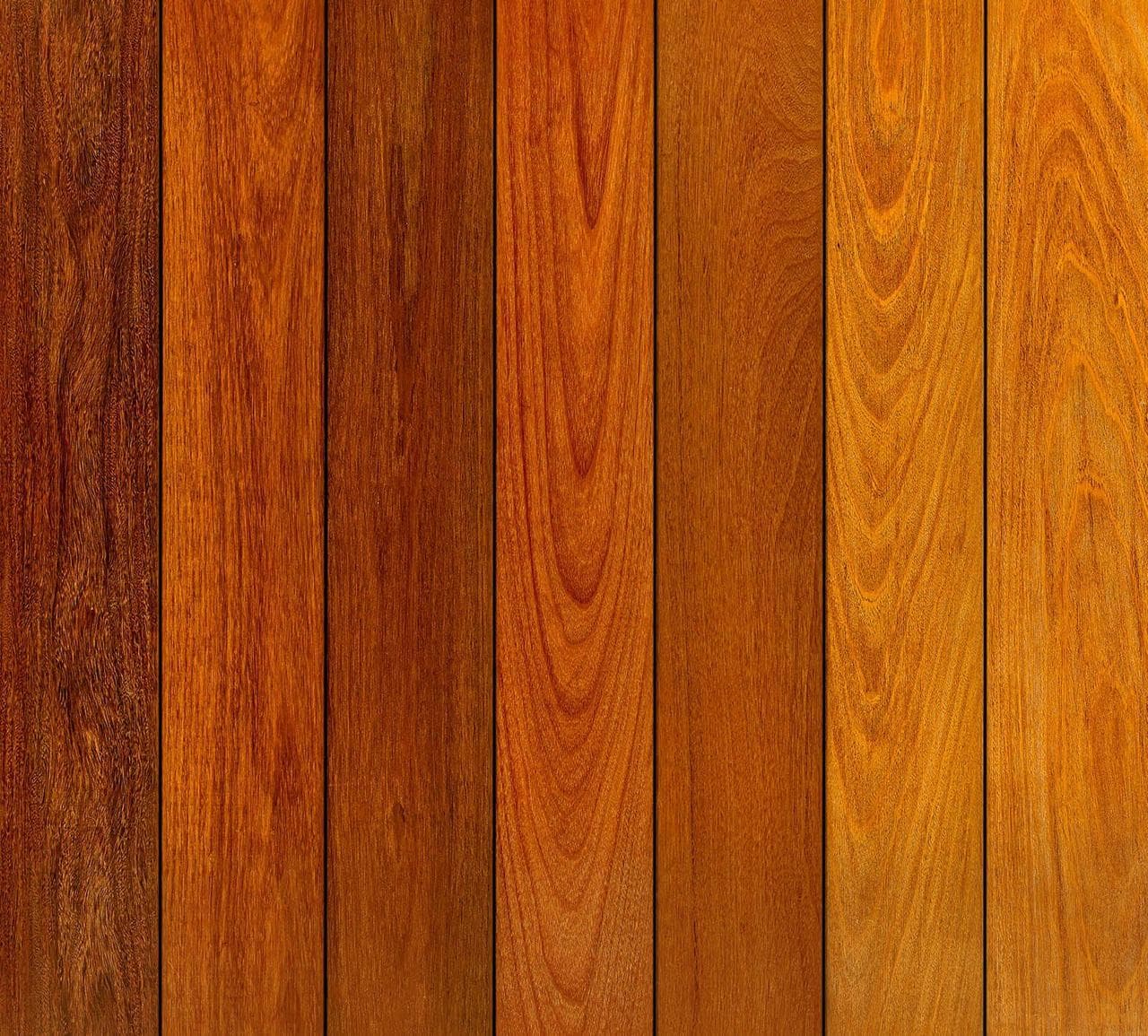
Its reddish-brown to olive-brown tones can offer a rich, natural foundation for an outdoor room, complementing various design styles. Ipe is also valued for its minimal movement after installation, which helps maintain a consistent surface over time. Its natural resistance to rot, insects, and mold contributes to its suitability for outdoor applications, reducing the need for chemical treatments. These characteristics make Ipe a practical choice for a courtyard deck intended for long-term use.
A courtyard deck, being an integral part of an outdoor room, benefits from materials that can withstand regular use and exposure without significant degradation. Ipe's durability profile aligns with the demands of such a space, offering a robust surface for furniture, planters, and foot traffic.
Courtyard Design Considerations for Ipe Decking
Courtyards often present unique design challenges and opportunities compared to open-air decks. Factors like drainage, ventilation, and the interplay with surrounding structures (walls, fences, landscaping) are particularly important. When planning an Ipe deck for a courtyard, consider these aspects:
Adequate drainage is crucial in a courtyard to prevent water accumulation, especially in Grand Rapids where precipitation varies seasonally. Ensure the deck design incorporates proper sloping or a substructure that allows water to flow away effectively. Ventilation beneath the deck is also important to prevent moisture buildup and promote the longevity of the Ipe.
The aesthetic integration of the Ipe deck with the courtyard's existing elements is another key consideration. Ipe's natural color can be maintained with a UV-blocking sealer or allowed to weather to a silvery-gray patina. This choice will influence the overall look of your outdoor room. Consider how the decking color will harmonize with any existing stone, brick, or paint colors in your courtyard.
Ipe Decking Profiles and Dimensions
Ipe decking is available in a variety of profiles and dimensions, allowing for flexibility in design. Common profiles include square-edge and grooved boards. Square-edge boards are typically face-fastened, while grooved boards are designed for hidden fastening systems, which can create a cleaner, fastener-free surface appearance.
Standard dimensions for Ipe decking often range from 1x2 inches through 6x6 inches, with lengths from 3 to 24 feet. The choice of board width can impact the visual scale of your courtyard. Wider boards may make a small courtyard feel more expansive, while narrower boards can create a more intricate pattern. Discuss available dimensions and profiles with your supplier to match your design vision and structural requirements.
For a courtyard outdoor room, you might consider using Ipe not only for the deck surface but also for complementary elements like benches or planter surrounds, creating a cohesive design. Ensure all Ipe components are ordered with consistent specifications.
Maintenance Expectations for Ipe Decking
Ipe is often considered a low-maintenance hardwood, but understanding its care requirements is essential for preserving its appearance and extending its life. If left untreated, Ipe will naturally weather to a silvery-gray patina. Many homeowners appreciate this natural aging process, which requires minimal intervention.
To maintain Ipe's original reddish-brown to olive-brown color, regular application of a UV-blocking oil or sealer is recommended. This process typically involves cleaning the deck and then applying the finish according to the product manufacturer's instructions. The frequency of reapplication depends on local climate conditions and the specific product used.
Regardless of whether you choose to let it weather or maintain its color, routine cleaning to remove dirt, leaves, and other debris is advisable. This helps prevent staining and keeps the deck looking its best. Proper maintenance contributes to the material's longevity.
Worked Example: A 10x12-foot Courtyard Outdoor Room in Grand Rapids
Imagine designing a 10-foot by 12-foot courtyard outdoor room in Grand Rapids, MI, featuring an Ipe deck. For this example, we'll assume a preference for maintaining the natural reddish-brown color of the Ipe.
We'll use 1x6 inch (nominal) Ipe decking boards, which typically have an actual dimension closer to 3/4 inch thick by 5.5 inches wide. For a 10-foot by 12-foot area (120 square feet), we need to calculate the number of boards. If we lay the boards across the 10-foot width, each board will be 10 feet long. The 12-foot length will determine how many boards are needed.
The actual width of a 1x6 Ipe board is approximately 5.5 inches. To cover 12 feet (144 inches) in length, we divide 144 inches by 5.5 inches, which equals approximately 26.18 boards. Since we cannot purchase partial boards, we would need 27 boards, each 10 feet long. This calculation does not account for spacing between boards, which is critical for drainage and expansion, or for any waste from cuts. Always consult product specifications for exact spacing requirements.
For the substructure, pressure-treated lumber joists would be installed perpendicular to the decking boards, spaced according to local building codes and Ipe decking manufacturer recommendations. For maintenance, a UV-blocking oil would be applied after installation and then annually or as needed to preserve the color. This example provides a basic material estimate; a detailed plan would include joist spacing, fastener type, and a specific cut list.
Before you order
- Determine the exact dimensions of your courtyard outdoor room.
- Decide on the desired finished appearance: weathered gray or maintained natural color.
- Select the Ipe decking profile (square-edge or grooved) and board width.
- Plan for adequate drainage and ventilation beneath the deck surface.
- Consider complementary Ipe elements (benches, planters) for a cohesive design.
- Research and select appropriate fasteners for Ipe (hidden or face-fastened).
- Factor in the need for a UV-blocking sealer if maintaining the natural color.
- Confirm local building codes and structural requirements for deck construction.
- Estimate material quantities, including decking, substructure, and fasteners.
- Identify any professional installation assistance needed due to Ipe's density.
Confirm installation details, approved uses and warranty terms in the current instructions for the exact product and profile. Your installer should verify the substrate, structure and applicable project requirements.
This is a planning guide for projects in Grand Rapids, MI. Ask our team to confirm availability, delivery to your ZIP code and which branch can support your order.
Questions to help you decide
How does Grand Rapids' climate affect Ipe decking?
Grand Rapids experiences distinct seasons, including cold winters and warm, humid summers. Ipe's natural resistance to weather changes, rot, and warping makes it a suitable choice for these conditions. Its density helps it withstand temperature fluctuations, but proper installation with adequate ventilation and drainage is still crucial to ensure longevity.
Can I install Ipe decking myself in my Grand Rapids courtyard?
While it is possible to install Ipe decking yourself, its density requires specialized tools and techniques, such as pre-drilling for fasteners. Professional installation is generally recommended to ensure the best results and proper adherence to manufacturer guidelines, especially for intricate courtyard layouts.
What is the typical lead time for Ipe decking orders in Grand Rapids?
Lead times for Ipe decking can vary depending on the specific profiles and quantities ordered, as well as current stock levels and shipping logistics. It's best to inquire about current availability and estimated delivery times when requesting a quote for your project to ensure it aligns with your construction schedule.
Ready to Plan Your Ipe Deck for a Grand Rapids Courtyard Outdoor Room?
Request a material quote today with your project dimensions, exact Ipe profile preference, and ZIP code. We can help you confirm current availability and service options for your project.
Request a material quote →