Understanding Garapa Hardwood for Terrace Applications
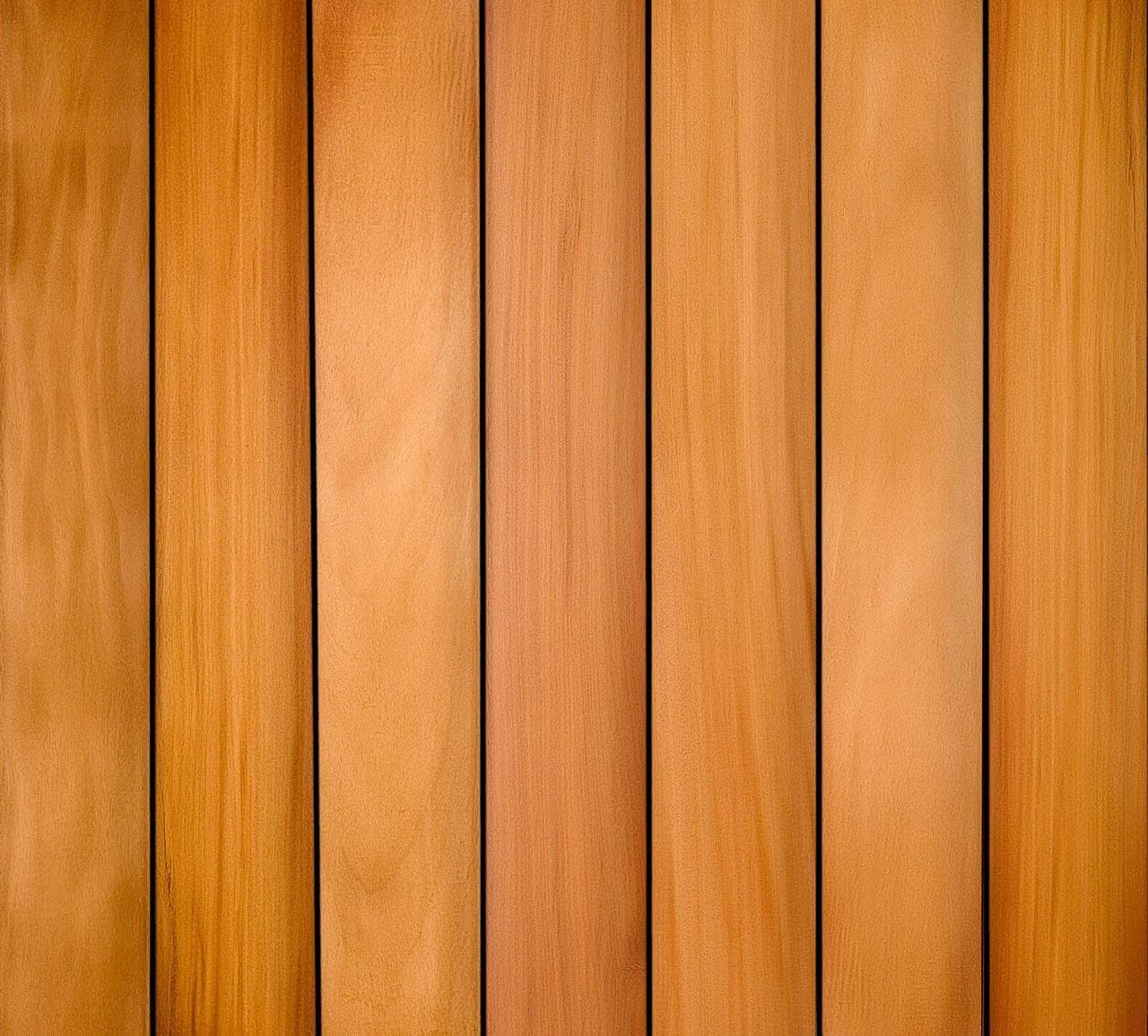
Garapa, also known as Brazilian Ash, is a tropical hardwood sourced from Brazil. It is characterized by its distinct golden color, which can add warmth and a modern aesthetic to any outdoor space. This wood is recognized for its density and durability, making it a candidate for decking that needs to withstand outdoor elements.
One of Garapa's notable features is its natural resistance to rot, decay, and insects, which means it generally does not require constant chemical treatments. For terrace projects, where materials are exposed to moisture and potential insect activity, this inherent durability can be a significant advantage. Its air dry density is 4.11 lbs/bf.
Garapa is also described as scratch and slip resistant, with minimal splintering. These characteristics are important for a terrace surface where foot traffic is expected, contributing to a comfortable and functional outdoor area. While it is resistant to nailing and screwing due to its density, it glues easily, which can be a factor in certain custom installations or joinery.
Designing a Terrace with Garapa: A Hypothetical Example
Consider a hypothetical 15-foot by 10-foot rooftop terrace in Baton Rouge designed for both dining and relaxation. The owner desires a material that offers a warm, inviting appearance, requires minimal chemical treatment, and can withstand exposure to the sun and occasional rain. The primary goal is to create a distinct zone for a dining table and another for lounge seating.
For this project, we might propose a layout using standard 1x6 (actual 1 inch x 5.5 inch) Garapa decking boards. To define the two zones, a subtle change in board direction could be employed. The main dining area, an 8-foot by 10-foot section, could have boards running parallel to the 10-foot dimension, creating a sense of length. The remaining 7-foot by 10-foot lounge area could have boards running perpendicular, visually separating the space.
This design choice not only adds visual interest but also allows for efficient use of board lengths. Garapa is available in lengths from 3 to 24 feet. For the dining area, 10-foot boards would minimize waste if cut carefully, while the lounge area could utilize 7-foot boards. The subtle golden hue of Garapa would complement the outdoor furniture and planters, creating a cohesive and elegant outdoor living space.
Profile and Availability for Your Project
Garapa decking is typically available in a 5/4"x6" profile, which translates to an actual dimension of 1" x 5.5". Some suppliers may also offer a grooved option for specific fastening systems. Understanding the precise dimensions is crucial for accurate material takeoffs and planning your deck's substructure and spacing.
The availability of Garapa in various lengths, typically from 3 to 24 feet, allows for flexibility in design and can help minimize waste, especially when planning for different sections of a terrace. Kiln-dried (KD) material is generally preferred for decking as it offers greater stability. Always confirm the drying method when specifying your order.
When planning your terrace, consider how board lengths will align with your design to reduce cuts and optimize material use. For example, if your terrace has a specific width, selecting board lengths that are multiples of that width (or slightly longer to allow for trimming) can make installation more efficient.
Considerations for Baton Rouge Climate
Baton Rouge's climate, characterized by high humidity and significant rainfall, requires decking materials that can endure moisture and resist fungal growth. Garapa's natural resistance to rot and decay is beneficial in this environment. Proper ventilation beneath the deck is still critical to prevent moisture accumulation and ensure the longevity of the material. This includes maintaining adequate spacing between boards and ensuring airflow around the entire deck perimeter.
Exposure to strong sunlight is also common in Baton Rouge. Garapa's golden color will naturally weather to a silver-gray patina over time if left untreated. If you prefer to maintain the original golden hue, regular application of a UV-inhibiting oil finish will be necessary. This choice in finish also affects the maintenance schedule for your terrace.
For areas that experience standing water or consistent dampness, ensure that the terrace design incorporates effective drainage solutions. This might involve sloped joists, proper grading of the sub-surface, or the use of a drainage system beneath the deck to channel water away. Garapa's durability helps it withstand these conditions, but good design practices are essential for any decking material.
Complementary Materials for Your Terrace
While Garapa serves as an excellent primary decking material, integrating complementary products can enhance the overall functionality and aesthetics of your terrace. For structural components, such as joists and beams, selecting appropriate lumber that is rated for outdoor use and compatible with the expected loads is essential.
Consider using high-quality fasteners designed for hardwood decking. Hidden fastening systems can provide a clean, fastener-free surface appearance, which is often desired for modern terrace designs. Alternatively, face-fastening with screws specifically designed for dense hardwoods can offer a robust and secure installation.
For railing systems, options range from matching Garapa balusters and handrails to contemporary metal or glass systems that provide an unobstructed view. The choice should complement the architectural style of your home and the desired aesthetic of the terrace. Additionally, incorporating planters, built-in seating, or pergolas made from compatible outdoor-rated materials can further define and enhance your terrace space.
Before you order
- Confirm terrace dimensions and desired layout (e.g., dining, lounge zones).
- Review local building codes and structural requirements for elevated decks.
- Determine preferred board direction and pattern for visual interest and material efficiency.
- Decide on a finish: natural weathering to silver-gray or maintaining golden tone with UV-inhibiting oil.
- Select appropriate fastening system (hidden or face-fastened) compatible with Garapa.
- Plan for adequate ventilation and drainage to manage Baton Rouge's humidity.
- Consider complementary materials for railings, planters, and other features.
- Obtain physical samples of Garapa to confirm color and texture.
- Calculate material quantities, accounting for cuts and waste, based on chosen profile and lengths.
- Request a detailed quote for Garapa decking and any necessary accessories.
Confirm installation details, approved uses and warranty terms in the current instructions for the exact product and profile. Your installer should verify the substrate, structure and applicable project requirements.
This is a planning guide for projects in Baton Rouge, LA. Ask our team to confirm availability, delivery to your ZIP code and which branch can support your order.
Questions to help you decide
What color is Garapa decking?
Garapa decking has a distinct golden color. If left untreated, it will naturally weather to a silver-gray patina over time. To maintain its original golden hue, regular application of a UV-inhibiting oil finish is recommended.
Is Garapa suitable for high-humidity environments like Baton Rouge?
Yes, Garapa is naturally resistant to rot, decay, and insects, which makes it well-suited for high-humidity environments. However, proper ventilation and drainage are still crucial to ensure the long-term performance of the deck.
Plan Your Garapa Terrace Project
Ready to design your Baton Rouge terrace with Garapa decking? Request a material quote today. Provide your project dimensions, desired Garapa profile, and your ZIP code to confirm current availability and service options.
Request a material quote →