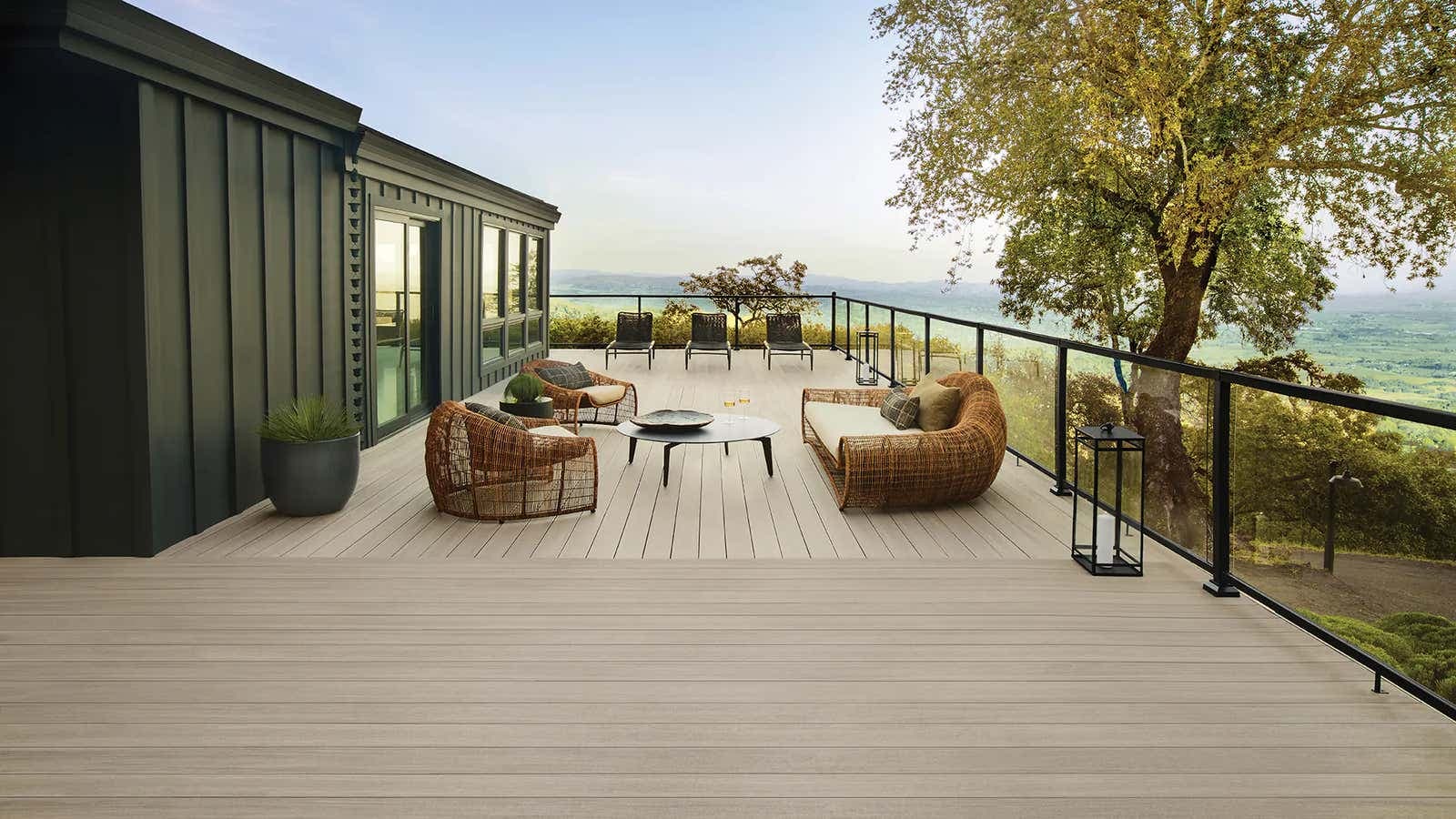
Understanding Your Compact Space: Balcony, Patio, or Side Yard?
Before selecting composite decking, precisely define the characteristics of your compact outdoor area. Is it a balcony, a ground-level patio, or a narrow side yard? Each type of space presents different structural and design considerations. Balconies often have strict weight limits and require careful attention to drainage. Ground-level patios might involve direct installation over a concrete slab or a low-profile framing system. Side yards can be constrained by existing structures and require thoughtful pathways or seating areas.
For example, a small balcony might benefit from lighter-weight composite options if structural capacity is a concern, while a ground-level patio could support a more robust deck system. Understanding these fundamental differences will guide your material selection and installation approach, ensuring the decking is not only visually appealing but also structurally appropriate for its intended use.
Maximizing Usable Space with Composite Decking Profiles
In a compact area, every dimension matters. The choice of composite decking board profile can significantly influence the perception and usability of your space. Standard board widths are common, but some manufacturers offer narrower profiles that can make a small deck appear larger by creating more lines of perspective. Conversely, wider boards might reduce the number of visible seams, offering a cleaner, less cluttered look in a very small footprint.
Consider the overall length of your space. If your area is short, using full-length boards can minimize butt joints, which can be visually distracting in a small area. For very narrow spaces, running boards parallel to the longest dimension can draw the eye along the length, enhancing the sense of depth. Always check the specific manufacturer's recommendations for board spacing and fastening systems, as these details contribute to the finished appearance and structural integrity.
Lumber Plus offers composite decking from manufacturers such as Trex, TimberTech, and Fiberon, each with various board profiles and lengths that can be tailored to compact spaces. Reviewing these options can help you select a profile that complements your specific dimensions.
Color and Finish Choices for Visual Expansion
The color and finish of your composite decking play a crucial role in how expansive or enclosed your compact outdoor space feels. Lighter colors tend to reflect more light, making a small area appear larger and more open. This can be particularly beneficial in Jupiter, FL, where natural light is abundant. Light-colored decking can also feel cooler underfoot, a practical consideration in warmer climates.
Conversely, darker colors can create a more intimate, cozy atmosphere, which might be desirable for a private balcony or a secluded patio nook. Textured finishes can add visual interest without adding clutter, providing a subtle depth that enhances the material's appearance. It's advisable to consider how the decking color will interact with surrounding elements, such as exterior paint, landscaping, and outdoor furniture, to create a cohesive design.
Some composite decking collections offer 'cooler-underfoot options' and a consistent color and grain, board after board, ensuring a predictable aesthetic for your project. (S1)
Planning for Drainage and Ventilation in Confined Areas
Proper drainage and ventilation are critical for any deck, but especially so in compact outdoor spaces where airflow might be naturally restricted. In Jupiter, FL's humid climate, ensuring adequate air circulation beneath the deck helps prevent moisture buildup, which can be detrimental to the deck's substructure and overall longevity. If your compact space is a balcony, ensure that the decking system allows for water to drain effectively without pooling or negatively impacting the structure below.
For ground-level decks, maintain appropriate clearance between the decking and the ground, following manufacturer guidelines for minimum joist-to-ground spacing. This allows for air movement and helps prevent moisture from being trapped. If installing over a concrete slab, consider a sleeper system that provides a void for drainage and ventilation. Always consult the specific installation instructions for your chosen composite decking product to ensure compliance and optimal performance.
Worked Example: A 6-foot by 10-foot Balcony Deck
Let's consider a hypothetical balcony measuring 6 feet wide by 10 feet long, a total of 60 square feet. For this compact space, we aim to maximize perceived length and minimize visual clutter. We choose a composite decking board that is 5.5 inches wide and available in 10-foot lengths, allowing us to run full boards along the 10-foot dimension without butt joints.
First, calculate the number of boards needed for the width: 6 feet (72 inches) divided by 5.5 inches per board. This equals approximately 13.09 boards. Since we cannot use a fraction of a board for the full length, we would need to purchase 14 boards (13 full boards plus one for the final cut).
The total length of boards required is 14 boards * 10 feet/board = 140 linear feet. This example assumes a simple parallel layout. For any cuts, such as trimming the last board to fit the remaining width, the offcut might not be reusable for another full 10-foot length, but could be used for shorter sections if the design permitted. This calculation provides the quantity of full boards to purchase to ensure sufficient material for the entire area, including any necessary edge cuts. Always factor in a small percentage for waste or unexpected cuts.
This approach minimizes seams and creates a continuous visual flow, making the 10-foot length appear even longer. The choice of a lighter color composite would further enhance the open feel of this balcony.
Before you order
- Determine the exact dimensions and type of your compact outdoor space (balcony, patio, side yard).
- Assess structural limitations, especially for balconies (e.g., weight capacity, existing substructure).
- Consider composite decking board profiles: narrower for perceived expansion, wider for fewer seams.
- Choose board lengths that minimize butt joints for a cleaner look in smaller areas.
- Select lighter composite decking colors to make the space feel larger and more open.
- Evaluate textured finishes for subtle visual interest without clutter.
- Plan for adequate drainage and ventilation, particularly important in humid climates like Jupiter, FL.
- Review manufacturer installation guidelines for minimum clearances and fastening systems.
- Account for waste in your material calculations, especially for precise cuts in small spaces.
Confirm installation details, approved uses and warranty terms in the current instructions for the exact product and profile. Your installer should verify the substrate, structure and applicable project requirements.
This is a planning guide for projects in Jupiter, FL. Ask our team to confirm availability, delivery to your ZIP code and which branch can support your order.
Questions to help you decide
Can composite decking be installed directly over an existing concrete patio?
Installing composite decking directly over a concrete patio is possible, but it typically requires a sleeper system to create a void for drainage and ventilation. This helps prevent moisture buildup and allows the deck boards to expand and contract properly. Always refer to the specific composite decking manufacturer's instructions for approved installation methods over concrete.
What is the best way to clean composite decking in a small space?
Composite decking generally requires a simple soap-and-water wash for maintenance. For compact spaces, a soft-bristle brush or a pressure washer on a low setting can be effective. Avoid harsh chemicals or abrasive cleaners unless specifically approved by the manufacturer, as these can damage the surface. Regular cleaning helps prevent dirt and mildew accumulation, which can be more noticeable in smaller areas.
Are there composite decking options that feel cooler in the sun for Jupiter, FL's climate?
Yes, some composite decking manufacturers offer collections with technology designed to stay cooler underfoot, even in direct sunlight. These 'cooler-underfoot options' often feature capped shells that help reflect heat. When selecting your decking, inquire about these specific lines, as they can significantly enhance comfort in hot climates like Jupiter, FL. Lighter colors can also contribute to a cooler surface temperature.
Ready to Transform Your Compact Outdoor Space?
Request a material quote with your project dimensions, desired composite decking profile, and project ZIP code. We can help confirm current availability and service options for your Jupiter, FL location.
Request a material quote →