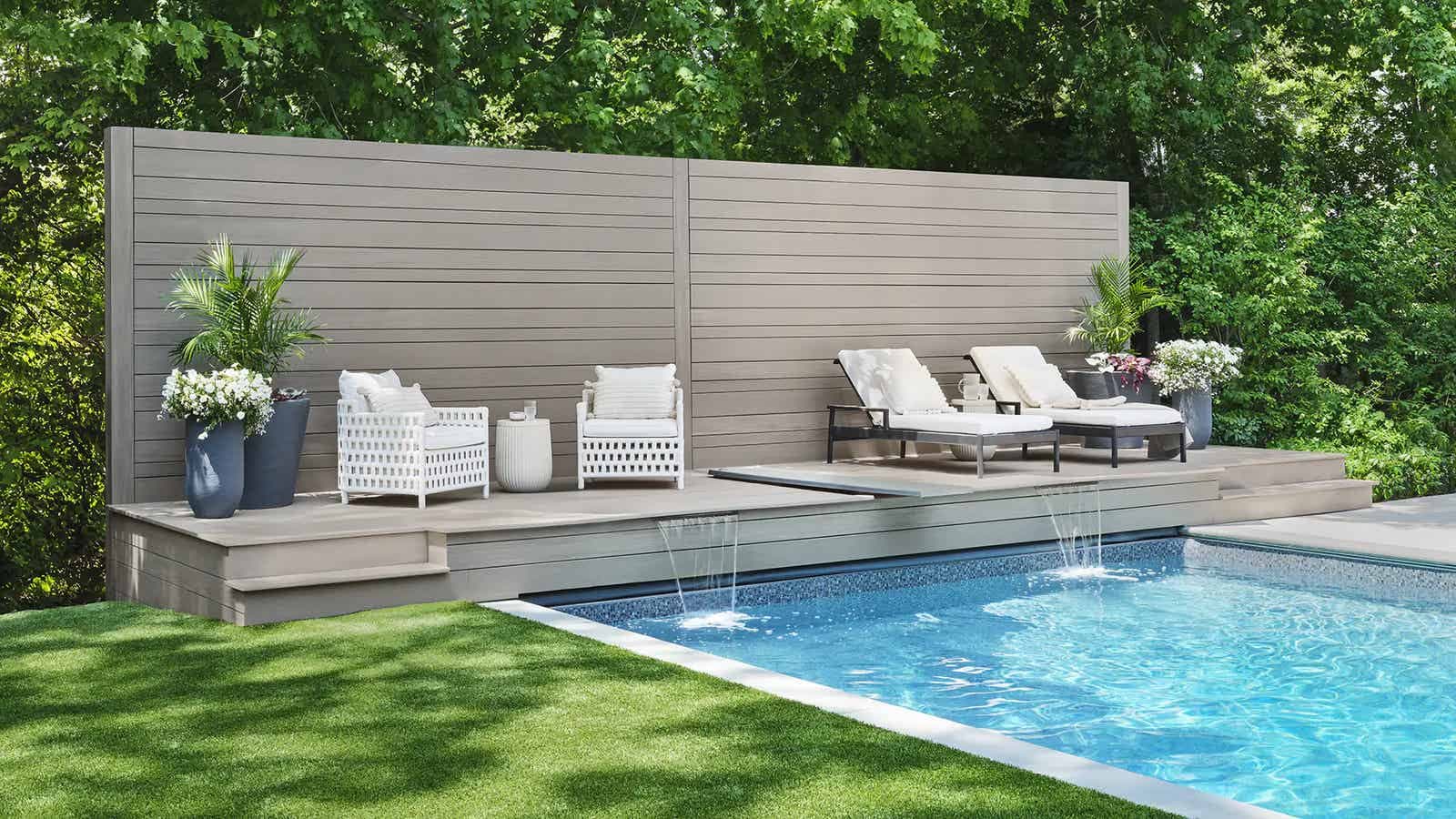
Why AZEK PVC Decking is Suited for Winter Conditions
AZEK PVC Decking is constructed from a capped polymer with zero wood content, meaning it does not absorb moisture in the same way traditional wood or wood-composite materials might. This characteristic is particularly beneficial in winter environments where moisture from snow, ice, and rain can be persistent. Without wood fibers, the material is not susceptible to rot, swelling, or mold growth that can occur when water penetrates the core of other decking types. This inherent resistance to moisture makes AZEK PVC Decking a durable option for areas experiencing heavy snowfall and frequent freeze-thaw cycles.
The Alloy Armour Technology cap further enhances its resilience, providing a protective layer against environmental stressors. This robust construction contributes to the material's longevity and performance in challenging winter climates, offering a low-maintenance alternative to materials that may require more intensive care to prevent winter-related damage. The core is fully synthetic, meaning even cut ends are resistant to moisture intrusion.
Drainage and Substructure Considerations
Effective drainage beneath and around your AZEK PVC deck is critical, especially in winter. While the decking itself resists moisture, water accumulation on or under the deck can lead to issues with the substructure or surrounding areas. Ensure that the deck design allows for proper water runoff away from the building foundation and any supporting posts.
The substructure should be built with materials appropriate for your local climate and treated to resist moisture and rot. Adequate ventilation beneath the deck also helps to prevent moisture buildup and ice formation, which can be particularly problematic in shaded areas. Discuss ventilation and drainage plans with your installer to ensure the substructure can handle winter conditions effectively.
Snow and Ice Removal from AZEK PVC Decking
Removing snow and ice from AZEK PVC Decking requires care to avoid damaging the surface. For snow removal, use a plastic shovel rather than a metal one, which can scratch or gouge the decking. Always shovel in the direction of the board grain to minimize potential marks.
For ice, or stubborn compacted snow, using certain deicers can be an option. However, it is crucial to verify the compatibility of any deicing product with AZEK PVC Decking to avoid discoloration or damage. Generally, rock salt (sodium chloride) and calcium chloride are not recommended as they can leave a white residue or potentially affect the deck surface over time. Products labeled as 'deck-safe' or 'pet-friendly' deicers are often formulated with less aggressive chemicals, but always test on an inconspicuous area first and rinse thoroughly after use. Never use sand, as its abrasive nature can scratch the deck surface.
Worked Example: Planning an AZEK Deck for a Winter Patio
Consider a hypothetical 12-foot by 16-foot elevated patio deck in a region that experiences heavy snowfall and freezing temperatures. The client wants to ensure the deck remains functional and durable through winter. They choose AZEK PVC Decking from the Harvest Collection, specifically the Kona color in a 1" x 5-1/2" grooved profile, for its balance of aesthetics and winter performance.
**Step 1: Board Calculation.** For a 12' x 16' deck, assuming boards run parallel to the 16-foot length, you would need 12 feet / 5.5 inches (board width) = approximately 26.18 boards. Since boards are typically sold in 12, 16, or 20-foot lengths, using 16-foot boards minimizes cuts and waste. You would purchase 27 boards of 1" x 5-1/2" x 16' AZEK PVC Decking. If using a picture frame border, additional boards for that layout would be calculated separately.
**Step 2: Substructure and Drainage.** The substructure is designed with pressure-treated lumber for its resistance to moisture and insects. Joists are spaced according to AZEK's specifications to ensure proper support and prevent deflection under snow load. An under-deck drainage system is installed to divert meltwater away from the foundation. The deck also includes a slight slope (e.g., 1/8 inch per foot) away from the house to encourage water runoff from the deck surface.
These fasteners provide a clean surface, which prevents water from pooling around screw heads and potentially freezing, and allows for consistent board spacing for drainage.
**Step 4: Winter Maintenance Plan.** The client plans to use a plastic snow shovel for regular snow removal. For icy patches, a granular deicer specifically approved for PVC decking will be applied sparingly and rinsed off once the ice has melted to prevent residue buildup. No metal tools or abrasive materials will be used. This proactive planning ensures the deck's longevity and appearance through successive winters.
Complementary Products for Winter Decking Projects
Beyond the decking boards, several complementary products can enhance the performance and longevity of your winter-exposed deck. High-quality fasteners, such as US4 hidden clips, ensure secure board attachment while allowing for natural expansion and contraction of the PVC in varying temperatures. These hidden fasteners also contribute to a cleaner deck surface, reducing areas where water or ice might accumulate.
Consider durable substructure materials like pressure-treated lumber or steel framing, which offer superior resistance to moisture and rot. For decks with significant height, an under-deck drainage system can be invaluable, directing water away and keeping the area beneath the deck drier. Finally, selecting appropriate fascia and trim boards that match your AZEK PVC Decking will ensure a cohesive and protected finish, preventing water intrusion at the edges of the deck structure. You can explore a full range of decking options, including hardwood and composite, to compare materials for your specific winter project needs.
Before you order
- Have I verified the substructure materials are appropriate for winter moisture and snow loads?
- Is the deck designed with adequate slope and drainage to prevent water pooling?
- Have I planned for proper ventilation beneath the deck to minimize moisture and ice buildup?
- Do I have a plastic snow shovel and an approved deicer ready for winter maintenance?
- Are all fasteners and trim components compatible with AZEK PVC Decking and suitable for winter conditions?
- Have I considered the impact of prolonged shade on ice accumulation and drying times?
Confirm installation details, approved uses and warranty terms in the current instructions for the exact product and profile. Your installer should verify the substrate, structure and applicable project requirements.
Questions to help you decide
Can AZEK PVC Decking withstand heavy snow loads?
AZEK PVC Decking itself is designed for durability. The ability to withstand heavy snow loads primarily depends on the structural integrity and proper spacing of the substructure. Ensure your deck frame is built to local building codes and designed to support anticipated snow loads for your region. The decking boards are installed on this robust substructure.
Will AZEK PVC Decking become slippery when wet or icy?
Like most outdoor surfaces, AZEK PVC Decking can become slippery when wet, covered in ice, or compacted snow. While the material's texture provides some grip, caution is always advised in winter conditions. Prompt snow and ice removal, along with careful use of approved deicers, can help maintain a safer surface.
How do I choose a deicer that won't harm my AZEK PVC Decking?
Always check the deicer product label for compatibility with PVC or composite decking. Avoid products containing rock salt (sodium chloride) or calcium chloride, as they can potentially damage the surface or leave a residue. Opt for deicers specifically marketed as 'deck-safe' or 'pet-friendly,' and always test a small, inconspicuous area first. Rinse the deck thoroughly after use once the ice has melted.
Plan Your Winter-Ready AZEK PVC Decking Project
Ready to build a durable, low-maintenance deck that stands up to winter? Request a material quote for AZEK PVC Decking with your project dimensions, desired profile, and ZIP code. Confirm current availability and service options for your location.
Request a material quote →